
Email | Office@dunsing.com - Phone | (847) 367-0782

Skip to main content
 

EIFS & Dryvit Inspection Services

Professional EIFS & Dryvit Inspections and Moisture Testing Throughout Chicagoland

Dunsing provides specialized EIFS and Dryvit inspection services for homeowners, home buyers, property managers and commercial clients throughout Chicago and the surrounding suburbs. Our inspections evaluate exterior cladding for visible defects, failed sealants, flashing and penetration concerns, signs of water intrusion and areas where moisture may be present behind the system. Using professional moisture-testing equipment and targeted evaluation methods, we help identify conditions that may require maintenance, repair or further investigation before they lead to more significant damage.

 
Understanding EIFS Cladding
 

What Is EIFS?

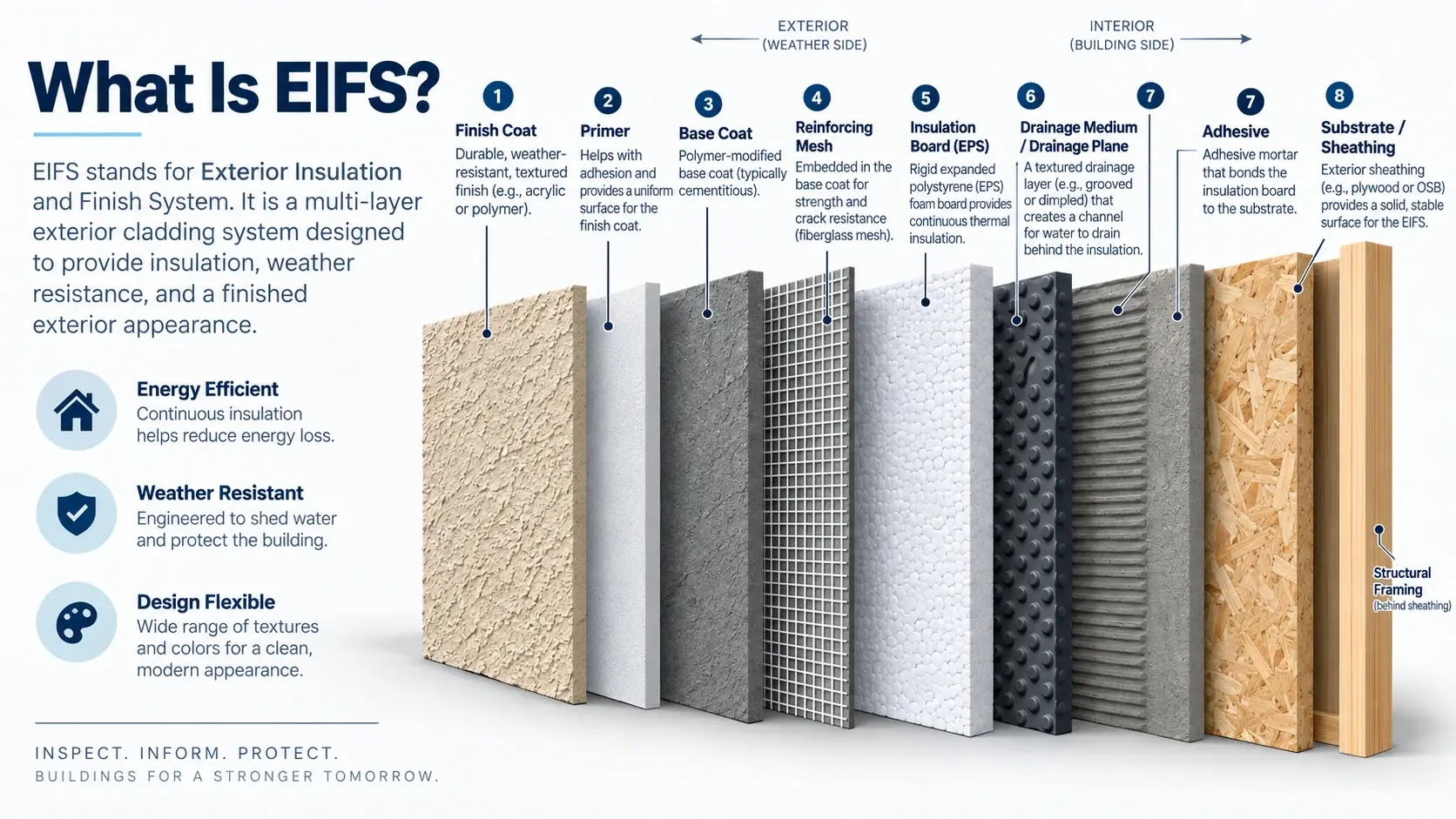
EIFS is a multi-layer exterior wall cladding system designed to provide insulation, weather protection and a finished exterior appearance. Understanding how the system is constructed helps explain why moisture management, sealants, flashing and regular inspection are so important.

infographic diagram showing the layers of an EIFS construction

How an EIFS Wall System Is Built

EIFS stands for Exterior Insulation and Finish System. It is a non-load-bearing exterior cladding system commonly used on residential, commercial and institutional buildings. A typical EIFS assembly includes rigid foam insulation, a reinforced base coat with fiberglass mesh, and a decorative finish coat.

Depending on the type and age of the system, the wall assembly may also include a water-resistive barrier and drainage components designed to manage incidental moisture behind the cladding. Windows, doors, flashing, sealant joints, penetrations and termination details all play an important role in keeping water out of the wall system.

The EIFS Industry Members Association provides additional information about EIFS construction, performance and modern drainage systems.

Is EIFS the Same as Dryvit®?
No. EIFS is the exterior cladding system itself. Dryvit® is a manufacturer of EIFS products and systems. The term “synthetic stucco” is also commonly used by homeowners and buyers when referring to EIFS, although EIFS and traditional stucco are different wall systems.
 
Why EIFS Inspections Matter
 

Why EIFS Can Be Vulnerable to Moisture Problems

EIFS can perform very well when it is properly designed, installed and maintained. Problems typically develop when water finds a path behind the exterior finish and the wall assembly is unable to dry effectively.

Moisture Intrusion Behind the Finish
Water can enter through cracks, failed sealants, penetrations or other exterior defects and become concealed behind the system.
Failed Sealant Joints
Sealants can age, crack or lose adhesion around windows, doors and transitions, creating pathways for water entry.
Improper Flashing or Penetrations
Missing or poorly integrated flashing at openings, roof-to-wall intersections and penetrations can allow moisture into the assembly.
Impact Damage & Cracks
Cracks, punctures and physical impact damage can breach the exterior finish and expose the system to moisture.
Deteriorated System Components
Prolonged moisture exposure can affect insulation, sheathing and other concealed materials and reduce performance.
Hidden Rot or Sheathing Damage
Persistent moisture can contribute to deterioration of wood sheathing, framing and other moisture-sensitive materials.
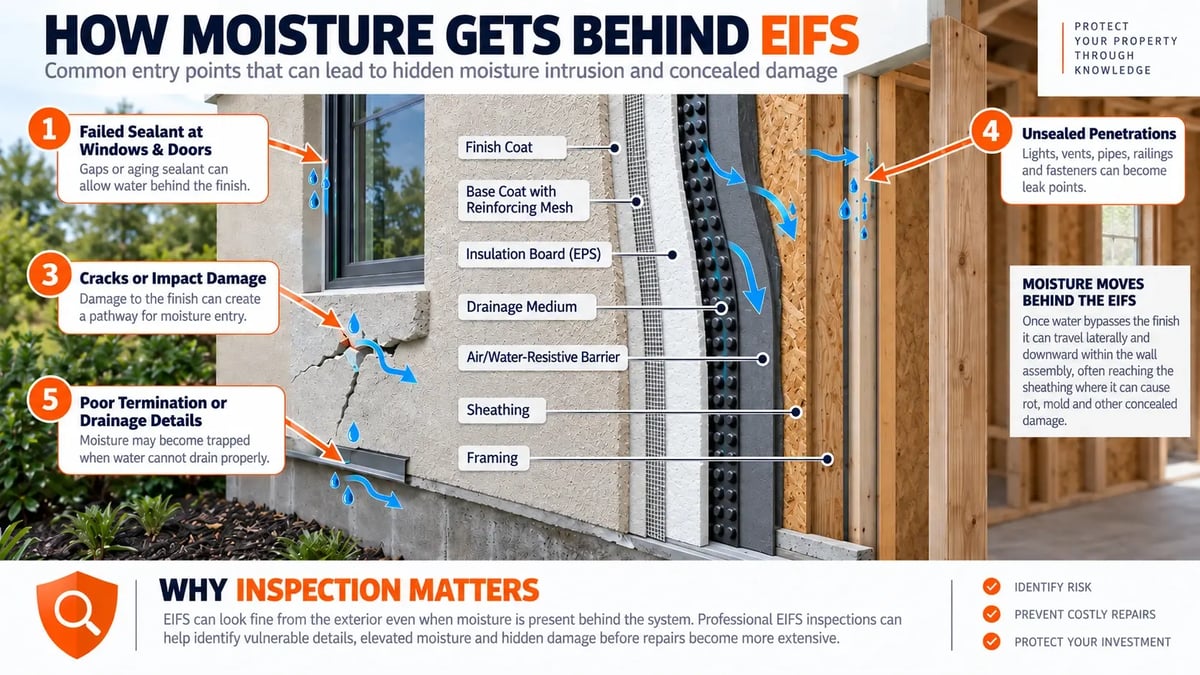
infographic showing how moisture can be damaging to EIFS

Small Exterior Defects Can Lead to Hidden Damage

EIFS relies on properly maintained sealants, flashing, penetrations, transitions and other exterior details to help manage water. When those components deteriorate, are damaged or were installed incorrectly, moisture can enter behind the finished surface.

Because the exterior finish may continue to look relatively normal, moisture problems can develop out of sight. Over time, prolonged moisture exposure may contribute to deterioration of sheathing, framing, insulation or other components concealed behind the cladding.

Damage behind EIFS may not be obvious from the exterior surface, which is why professional moisture evaluation and regular inspection can be important.
 
Common EIFS Problem Areas
 

Where EIFS Problems Commonly Develop

EIFS moisture intrusion issues can develop in a variety of locations, especially where the system transitions, changes direction, or relies on sealants, flashing and penetrations to manage water. These are some of the areas we pay particularly close attention to during an EIFS or Dryvit inspection.

Windows & Doors
Transitions and sealant joints around openings are common EIFS leak points.
Sealant Joints
Deteriorated, missing or poorly maintained sealant can allow water behind the finish.
Roof-to-Wall Intersections
Critical flashing and termination details at roof lines often require close evaluation.
Deck & Railing Penetrations
Areas where attachments penetrate the system can create hidden moisture entry points.
Utility Penetrations
Vents, pipes, conduits and exterior fixtures can create vulnerable penetrations in EIFS cladding.
Wall Terminations
Bottom edges, parapets and other ending points can be vulnerable if termination details are poor.
Flashing Transitions
Changes in materials and system interfaces often rely on correct flashing and drainage detailing.
Impact Damage, Cracks & Penetrations
Physical damage can breach the EIFS surface and allow moisture intrusion behind the cladding.
 
Why EIFS Inspections Matter

Protect Your Investment

When properly designed, installed and maintained, EIFS can perform very well. However, water intrusion, deteriorated sealants, flashing problems or improper detailing can allow moisture to get behind the exterior cladding. A professional EIFS inspection can help identify vulnerable conditions early, before they contribute to hidden deterioration, mold concerns or more extensive repairs.

Identify Moisture Issues Early
Find vulnerable areas before moisture contributes to more significant concealed damage.
Evaluate Critical Details
Assess sealants, flashing, penetrations, transitions and termination details.
Support Informed Decisions
Helpful for buyers, sellers, property owners and facility managers evaluating an EIFS-clad building.
Maintain Long-Term Performance
Regular inspection and maintenance help preserve the appearance and performance of the exterior wall system.
 
EIFS Inspection & Moisture Testing
 

How We Inspect & Evaluate EIFS

Dunsing combines detailed visual evaluation with specialized EIFS moisture testing and targeted investigative methods. The appropriate approach depends on the type of EIFS system, the conditions observed, the location of the concern and the scope of the inspection.

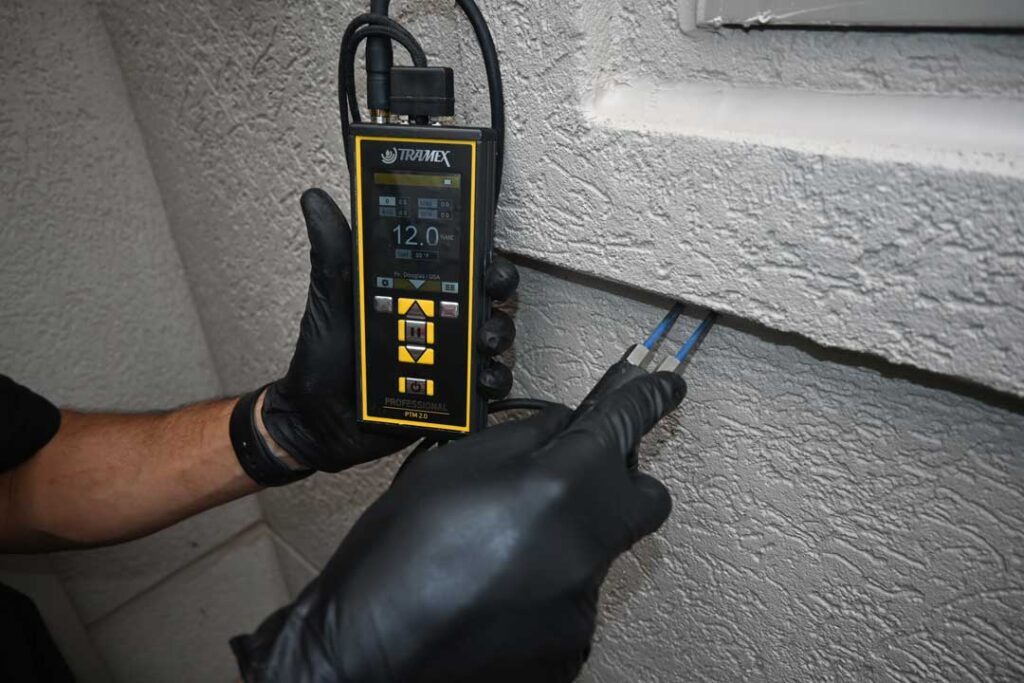
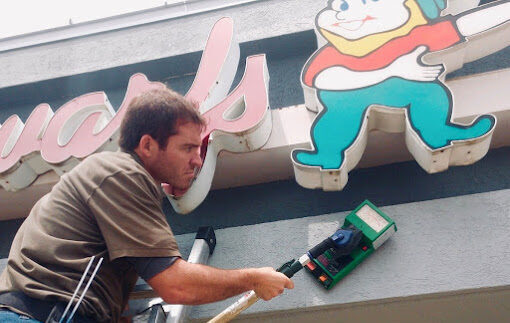
EIFS moisture testing performed with professional moisture testing equipment
 
Specialized Testing

EIFS Moisture Testing

Looking Beyond the Surface

Professional moisture-testing equipment helps us identify EIFS areas that may warrant closer evaluation. Moisture readings are interpreted together with the visible condition of the cladding, sealants, flashing, penetrations and other exterior details.

✓ Professional EIFS moisture-screening equipment
✓ Targeted evaluation of higher-risk locations
✓ Moisture readings documented by location
✓ Findings evaluated in the context of visible conditions
 
Investigation Methods

Non-Invasive Screening vs. Probe Testing

Non-invasive moisture screening can help identify areas with unusual or elevated readings without penetrating the EIFS. When conditions warrant and the inspection scope permits, targeted probe testing can provide more direct information about moisture conditions at selected locations within or behind the wall assembly.

Why both methods matter
Screening helps us locate areas that deserve additional attention. Targeted testing can provide more specific information when further investigation is appropriate.
 
Supplemental Evaluation

Thermal Imaging as a Supplemental Tool

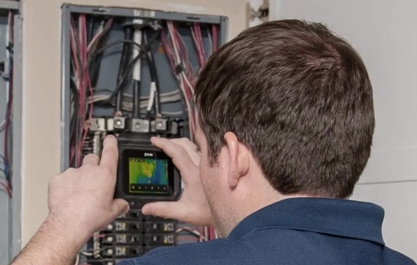
Infrared thermal imaging may help identify unusual surface-temperature patterns that support further investigation when environmental conditions are favorable. It can be useful for screening larger areas and identifying locations that deserve a closer look.

Important: Thermal cameras do not see through EIFS and thermal anomalies do not confirm moisture by themselves. Findings should be evaluated with other inspection and moisture-testing methods.
 
Understanding EIFS Systems

Barrier EIFS vs. EIFS With Drainage

Older barrier or face-sealed EIFS systems relied heavily on the exterior finish, sealant joints and detailing to keep water from entering the wall assembly. Modern EIFS with drainage incorporate an air/water-resistive barrier and a drainage plane behind the insulation to collect and redirect incidental moisture that bypasses the exterior surface.

Why this matters during an inspection
The type and age of the EIFS system can affect how moisture is managed, where problems may develop and how inspection findings should be interpreted.
 
Synthetic Stucco vs. Stucco

EIFS vs. Traditional Stucco

EIFS is sometimes referred to as “synthetic stucco,” but EIFS and traditional stucco are different exterior wall systems. EIFS typically incorporates exterior foam insulation covered by a reinforced base coat and finish, while traditional stucco is a cement-based cladding installed over a different wall assembly.

Why the distinction matters
The systems use different materials, moisture-management details and construction methods, so their common failure points and inspection approaches are not identical.
 
Ongoing Care

EIFS Requires Regular Maintenance

EIFS is not a maintenance-free exterior cladding. Sealant joints, flashing, penetrations, transitions and the finish surface should be periodically reviewed for deterioration or damage. Addressing small defects before water reaches the wall assembly can help extend the life of the system and reduce the potential for more extensive repairs.

✓ Inspect sealant joints and transitions
✓ Repair cracks and impact damage promptly
✓ Monitor windows, doors and penetrations
✓ Watch for staining or signs of water intrusion
✓ Periodically evaluate older EIFS systems
 
Why Dunsing

Experience You Can Trust

For decades, Dunsing has provided residential and commercial inspections throughout Chicagoland. Our experienced inspectors combine local knowledge, ongoing training and detailed reporting to help buyers, sellers and homeowners better understand the properties they depend on.

✓
Licensed home inspectors
✓
Decades of residential and commercial inspection experience
✓
Detailed, easy-to-understand inspection reports
✓
Responsive, knowledgeable inspection team
✓
Trusted by homeowners, buyers and real estate professionals
Loading Google reviews…

Frequently Asked Questions

What is EIFS?

EIFS stands for Exterior Insulation and Finish System. It is a multi-layer exterior wall cladding that typically includes exterior insulation, a reinforced base coat with fiberglass mesh, and a protective finish. Modern EIFS with drainage also incorporate an air/water-resistive barrier and a drainage plane designed to redirect incidental moisture that gets behind the exterior surface.

Is Dryvit® the same as EIFS?

Not exactly. EIFS is the type of exterior cladding system, while Dryvit® is a manufacturer of EIFS products and systems. Because Dryvit is one of the best-known EIFS manufacturers, homeowners sometimes use “Dryvit” as a general term for EIFS. 

Is EIFS the same as traditional stucco?

No. EIFS is sometimes called “synthetic stucco,” but the systems are constructed differently. EIFS typically uses exterior insulation covered by a reinforced base coat and finish, while traditional stucco is a cement-based cladding installed over a different wall assembly. Those differences affect how moisture is managed and how the exterior should be inspected. 

Why can EIFS have moisture problems?

EIFS can perform very well when properly designed, installed and maintained. Problems can develop when water enters through failed sealants, cracks, flashing deficiencies, penetrations, terminations or other vulnerable details. With older barrier systems in particular, moisture that gets behind the surface may be difficult to detect until damage becomes more extensive. Modern drainage EIFS include additional moisture-management components intended to collect and redirect incidental water. 

What does an EIFS inspection include?

A Dunsing EIFS inspection includes a detailed visual evaluation of the accessible exterior, with particular attention to sealants, windows and doors, flashing, penetrations, roof-to-wall intersections, terminations, cracks, impact damage and other higher-risk areas. Depending on the scope and conditions observed, the inspection may also include non-invasive moisture screening, targeted probe testing and supplemental thermal imaging. 

How do you test EIFS for moisture?

We use professional moisture-testing equipment to evaluate selected areas of the EIFS system. Non-invasive screening can help locate areas with unusual or elevated readings, while targeted probe testing may provide more direct information about moisture conditions at specific locations within or behind the wall assembly when warranted. 

Do you have to drill holes in the EIFS during moisture testing?

Not always. We can begin with visual evaluation and non-invasive moisture screening. If conditions warrant additional investigation and the inspection scope permits it, small targeted probe locations may be used to obtain more direct moisture information. We do not automatically probe every wall or every location. 

Can thermal imaging find moisture behind EIFS?

Thermal imaging can be a useful supplemental screening tool, but it does not see through EIFS or directly prove that moisture is present. Infrared cameras identify surface-temperature differences that may help us locate areas deserving closer evaluation. Those findings should be considered together with visual observations and moisture-testing results. 

Can an EIFS inspection tell whether there is hidden rot or structural damage?

An EIFS inspection can identify moisture conditions, visible defects and other evidence that may suggest concealed deterioration, but no non-destructive inspection can confirm the condition of every hidden component. Elevated moisture or other concerning findings may lead us to recommend additional evaluation or selective invasive investigation by an appropriate contractor or building-envelope specialist. 

How often should EIFS be inspected and maintained?

There is not one universal interval that applies to every building. Dryvit recommends periodic exterior inspection because exposure, climate, building use and the condition of sealants and other components vary from property to property. Owners should pay particular attention to cracks, holes, deteriorated sealant, damaged flashing and changes to other exterior wall components.

Should I have EIFS inspected before buying a home or commercial property?

An EIFS inspection can provide valuable additional information before purchasing a property, particularly when the exterior system is older, there is evidence of repairs or staining, moisture concerns exist, or the history of maintenance is unclear. The goal is to better understand the visible condition of the system and identify areas that may warrant further evaluation before the transaction is completed. 

Can Dunsing inspect EIFS on commercial buildings?

Yes. Dunsing performs EIFS and Dryvit inspections for both residential and commercial properties. Larger commercial buildings may require evaluation of elevated or difficult-to-access areas, multiple wall transitions, penetrations and larger façade sections. 

What happens if elevated moisture is found?

An elevated reading is evaluated in context with the location, surrounding exterior details and other inspection findings. Depending on the conditions present, we may recommend additional targeted testing, repair of failed exterior details, evaluation by a qualified EIFS contractor or building-envelope specialist, or further investigation to determine the extent of concealed conditions. 

Does EIFS need regular maintenance?

Yes. EIFS is not a maintenance-free exterior system. Sealants, flashing, penetrations, transitions, cracks and impact damage should be monitored and repaired when needed. Dryvit specifically recommends routine exterior inspections to identify deterioration before smaller issues become more significant building-envelope problems. 

Can EIFS be repaired, or does the entire exterior need to be replaced?

Many EIFS problems can be repaired without replacing the entire façade. The appropriate repair depends on the nature and extent of the condition, whether moisture or concealed damage is present, and the type of EIFS system involved. Dryvit publishes repair and restoration procedures for existing EIFS systems, and significant repairs should be performed by qualified professionals. 

 
Our Expert Inspection Services
 

Specialized Services for a Deeper Look

In addition to standard property inspections, we offer a range of specialized services to uncover potential issues, evaluate key systems, and provide greater peace of mind.

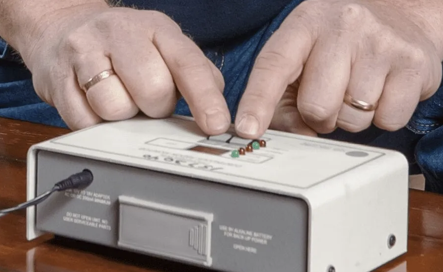
Radon Testing

  • Radon is an invisible, odorless gas and the second leading cause of lung cancer. Our professional radon testing services deliver accurate results, giving you the information you need to protect your home and the people who matter most.

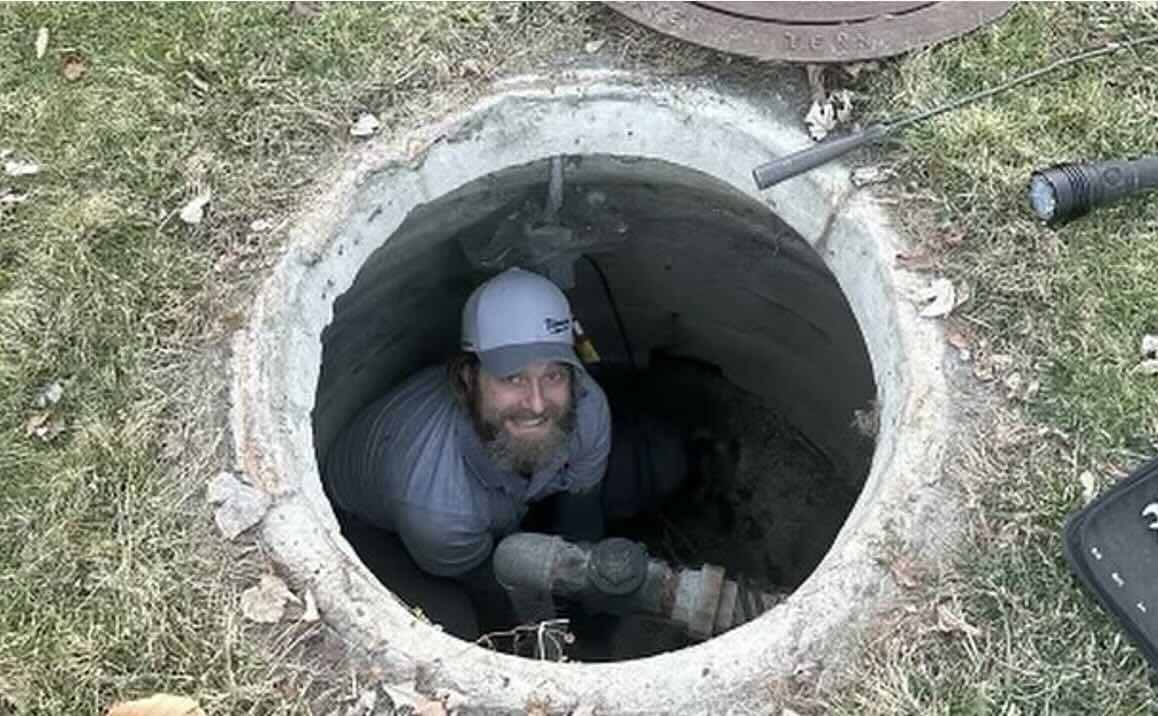
Sewer Surveys

  • Sewer line problems are often hidden from view and impossible to detect without a camera inspection. Our professional sewer camera inspections provide accurate results to help protect your home, your investment, and your peace of mind.

Mold Testing

  • Mold can grow unnoticed behind walls and in hidden areas, impacting your home's air quality and your family's health. Our professional mold testing services provide accurate results to help protect your home and the people who matter most.

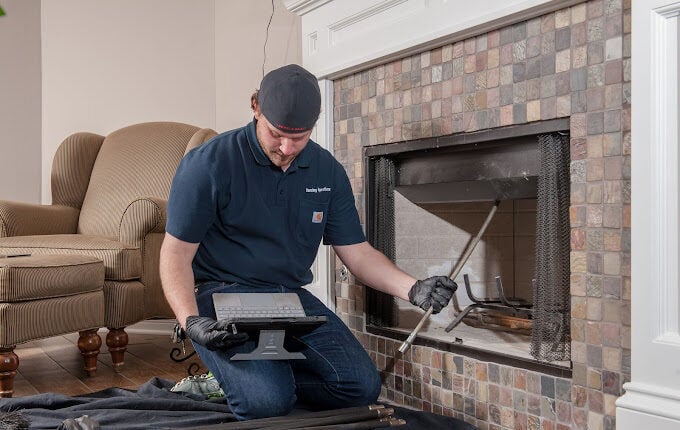
Chimney Scan

  • Hidden damage inside your chimney can increase the risk of dangerous house fires if left undetected. Our professional chimney scan services provide detailed results to help protect your home, your family, and your peace of mind.

Thermal Imaging

  • Hidden moisture, electrical hot spots, and missing insulation can lead to costly damage if left undetected. Our professional thermal imaging inspections provide detailed insights to help protect your home and your investment.

EIFS/Dryvit®

  • EIFS (synthetic stucco) can allow hidden moisture intrusion if not properly installed or maintained. Our professional EIFS inspections provide accurate results to help protect your home and prevent costly damage.

Meet Our Expert Inspectors


Get to know the experienced professionals behind every Dunsing inspection. Our licensed inspectors bring diverse backgrounds, extensive technical knowledge, and a shared commitment to providing thorough, dependable property inspections. Each member of our team is trained to clearly communicate their findings, answer your questions, and help you better understand your property. Meet our inspectors and discover the expertise, professionalism, and personal service that have helped build Dunsing’s trusted reputation.

Meet Our Expert Inspectors 


Get to know the experienced professionals behind every Dunsing inspection. Our licensed inspectors bring diverse backgrounds, extensive technical knowledge, and a shared commitment to providing thorough, dependable property inspections. Each member of our team is trained to clearly communicate their findings, answer your questions, and help you better understand your property. Meet our inspectors and discover the expertise, professionalism, and personal service that have helped build Dunsing’s trusted reputation.

Explore Our Latest Blog Posts

Explore Our Latest Blog Posts


Stay informed with practical tips, expert guidance, and helpful insights designed to protect your home and make homeownership easier. Explore our latest articles covering home inspections, maintenance, common concerns, and what homeowners and buyers should know.

Home Inspections Homebuyers & Homeowners Real Estate Agents
Your Inspector Found Some Issues. Now What?

Your Inspector Found Some Issues. Now What?

An inspection report can feel overwhelming. Learn how to prioritize findings, compare repair proposals, verify contractor credentials, and choose the right next steps before committing to work on

Read More

Jamie Dunsing Oct 5, 2026
Home Inspections Commercial Inspections Homebuyers & Homeowners
Insurance Inspections

Insurance Inspections

Your insurer may request a property inspection even after you have purchased a home. Learn what insurance inspections can cover, why they are requested, and how to prepare for the process.

Read More
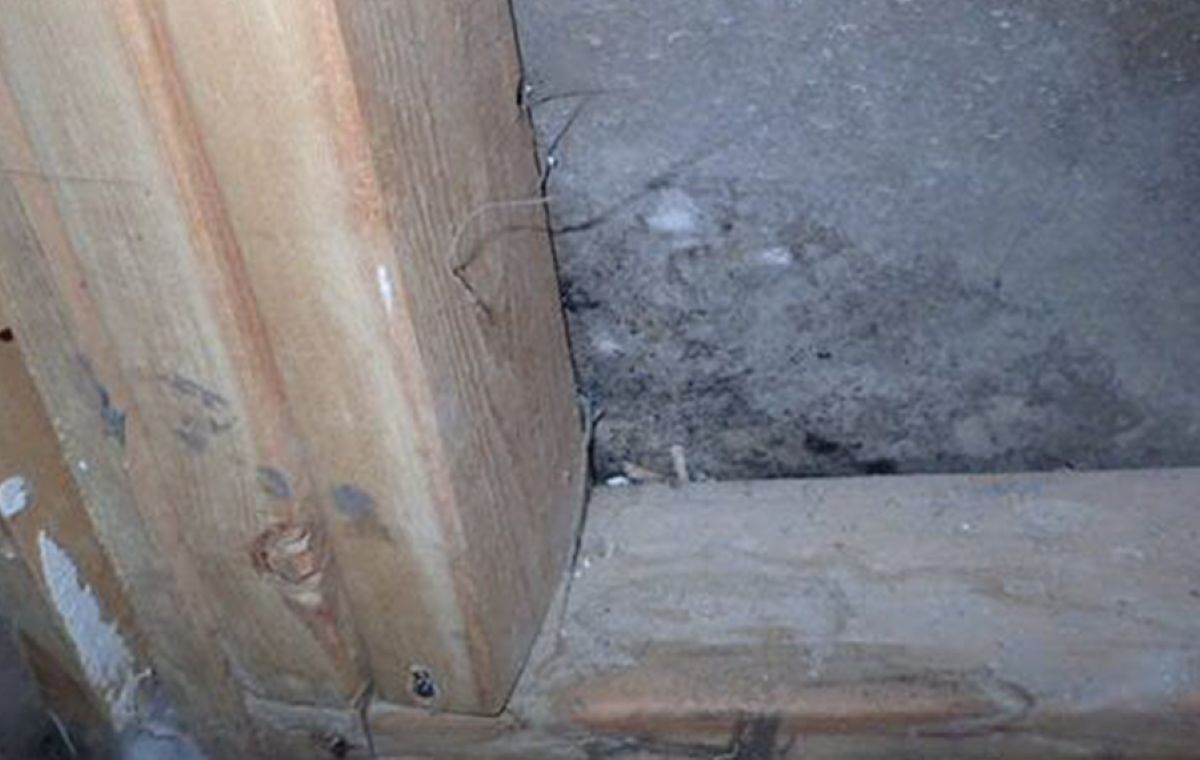
Jamie Dunsing Oct 5, 2026
Home Inspections Homebuyers & Homeowners Real Estate Agents
Does a home buyer really need a Mold Inspection?

Does a home buyer really need a Mold Inspection?

Mold concerns often start with moisture or visible warning signs. Explore how a home inspection, specialized mold evaluation, and third-party testing can help you understand what needs further

Read More

Jamie Dunsing Oct 5, 2026
Home Inspections Homebuyers & Homeowners Real Estate Agents
Realtor Reforms: What Home Buyers Can Expect After the NAR Settlement

Realtor Reforms: What Home Buyers Can Expect

Changes following the 2024 NAR settlement raised new questions for buyers and real estate professionals. Jamie shares his perspective on buyer representation, compensation, and the potential impact

Read More

Jamie Dunsing Oct 5, 2026
Home Inspections Homebuyers & Homeowners Real Estate Agents
Uh-Oh, Honey, I think we just bought a house!

Uh-Oh, Honey, I think we just bought a house!

The final walkthrough deserves as much attention as the earlier steps in your purchase. Use our pre-closing checklist to review repairs, test systems, and spot changes before taking ownership.

Read More
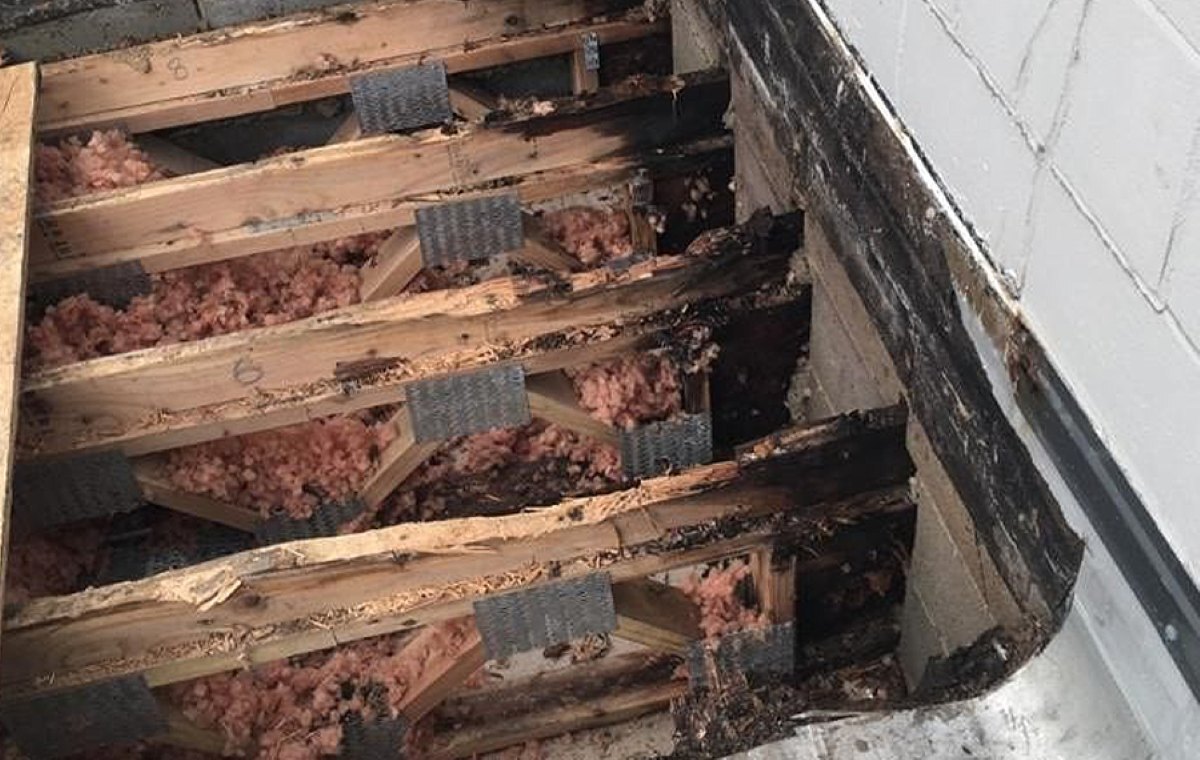
Jamie Dunsing Oct 5, 2026
Home Inspections Commercial Inspections Homebuyers & Homeowners Real Estate Agents
Does your house suck? (Water, that is!)

Does your house suck? (Water, that is!)

Split-faced block can allow water into a building when construction details and maintenance fall short. Learn what to look for and why moisture concerns may call for a specialized evaluation.

Read More


Jamie Dunsing Oct 5, 2026