Email | Office@dunsing.com - Phone | (847) 367-0782

Skip to main content
 

Chimney Inspection & Video Scan Services

Professional Chimney Inspections & Video Scans Throughout Chicagoland

Dunsing provides professional chimney inspections and video chimney scans for home buyers, homeowners and property owners throughout Chicago and the surrounding suburbs. Using specialized chimney camera equipment, we take a closer look inside the flue to help identify visible conditions such as cracked or deteriorated liners, gaps, creosote buildup, blockages, debris and other concerns that may not be visible from the fireplace opening.

 
What Is a Video Chimney Inspection?
 

See What’s Really Going On Inside Your Chimney

A video chimney inspection uses specialized camera equipment to provide a closer look at the interior of the chimney and flue. This allows us to evaluate visible conditions that may be difficult or impossible to see from the fireplace opening during a standard home inspection.

Internal Camera Viewing
Specialized chimney camera equipment allows the technician to view interior flue surfaces and areas that cannot be adequately evaluated from the fireplace opening alone.
Hidden Conditions
A video scan can help identify visible cracks, gaps, creosote buildup, blockages, debris, deteriorated materials and other conditions concealed inside the chimney.
Safety-Focused Evaluation
The scan helps identify visible conditions that may affect the proper operation or safe use of the fireplace, chimney or connected venting system.
Clear Documentation
Significant visible findings are documented with photos or video when available, along with explanations and recommendations for additional evaluation when appropriate.
 
Why It Matters
 

What You Can’t See Inside a Chimney Can Create a Serious Risk

Much of a chimney’s flue is hidden from view during a standard visual inspection. Cracked, separated or deteriorated liners can allow heat and smoke to reach areas they were never intended to reach, while creosote and other combustion deposits can accumulate on the interior surfaces of the flue.

Creosote is highly combustible and, if enough buildup accumulates and ignites, it can cause a chimney fire. A video chimney scan provides a closer look at these concealed areas so visible liner defects, buildup and other concerns can be documented before they become larger problems.

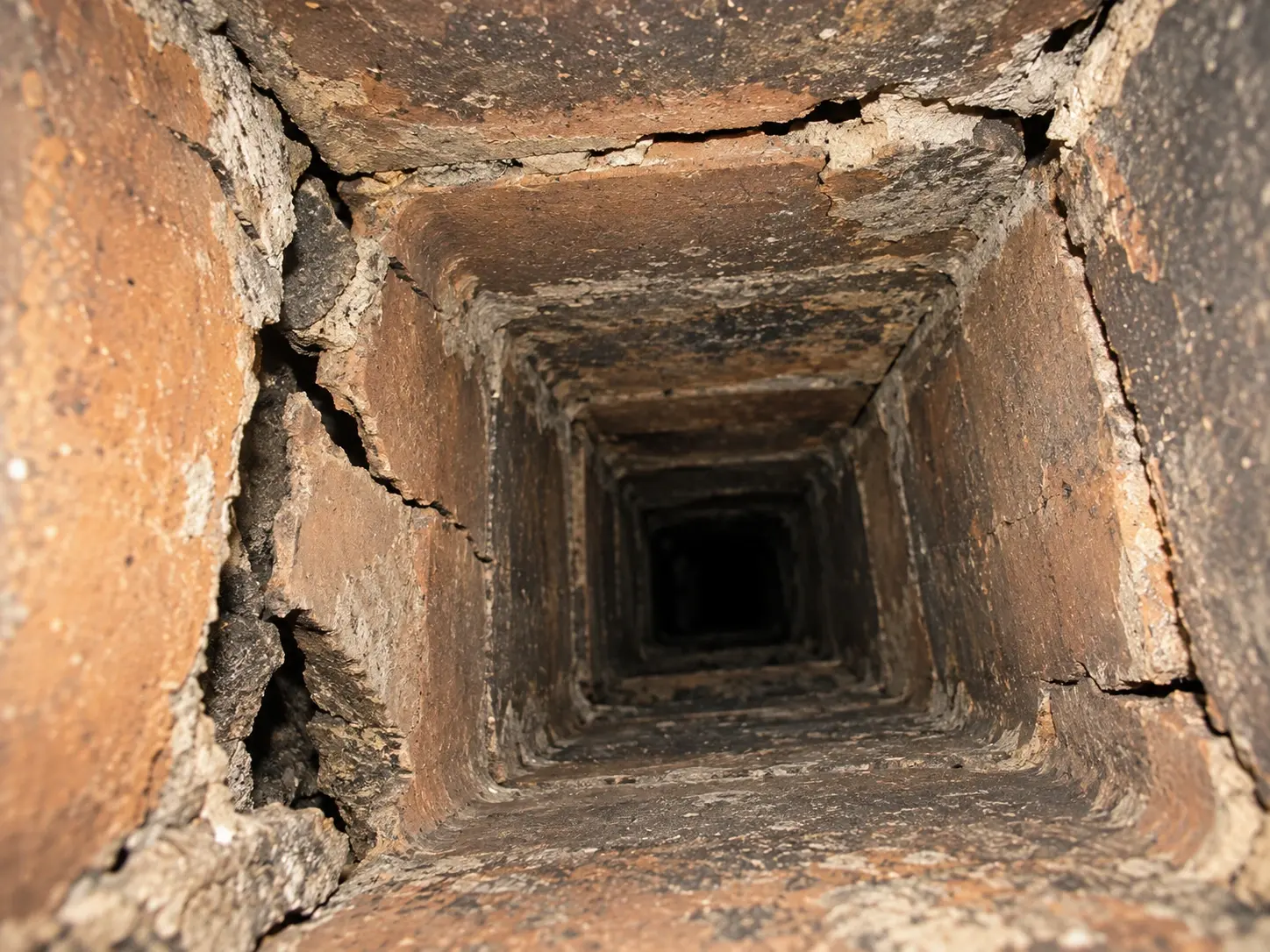
Cracked and deteriorated chimney flue liner viewed from inside the chimney
Damaged Flue Liner
✓
Cracks, gaps or deterioration can compromise the flue liner and allow heat or smoke to move beyond its intended path.
✓
Significant liner defects may warrant additional evaluation or repair by a qualified chimney professional.
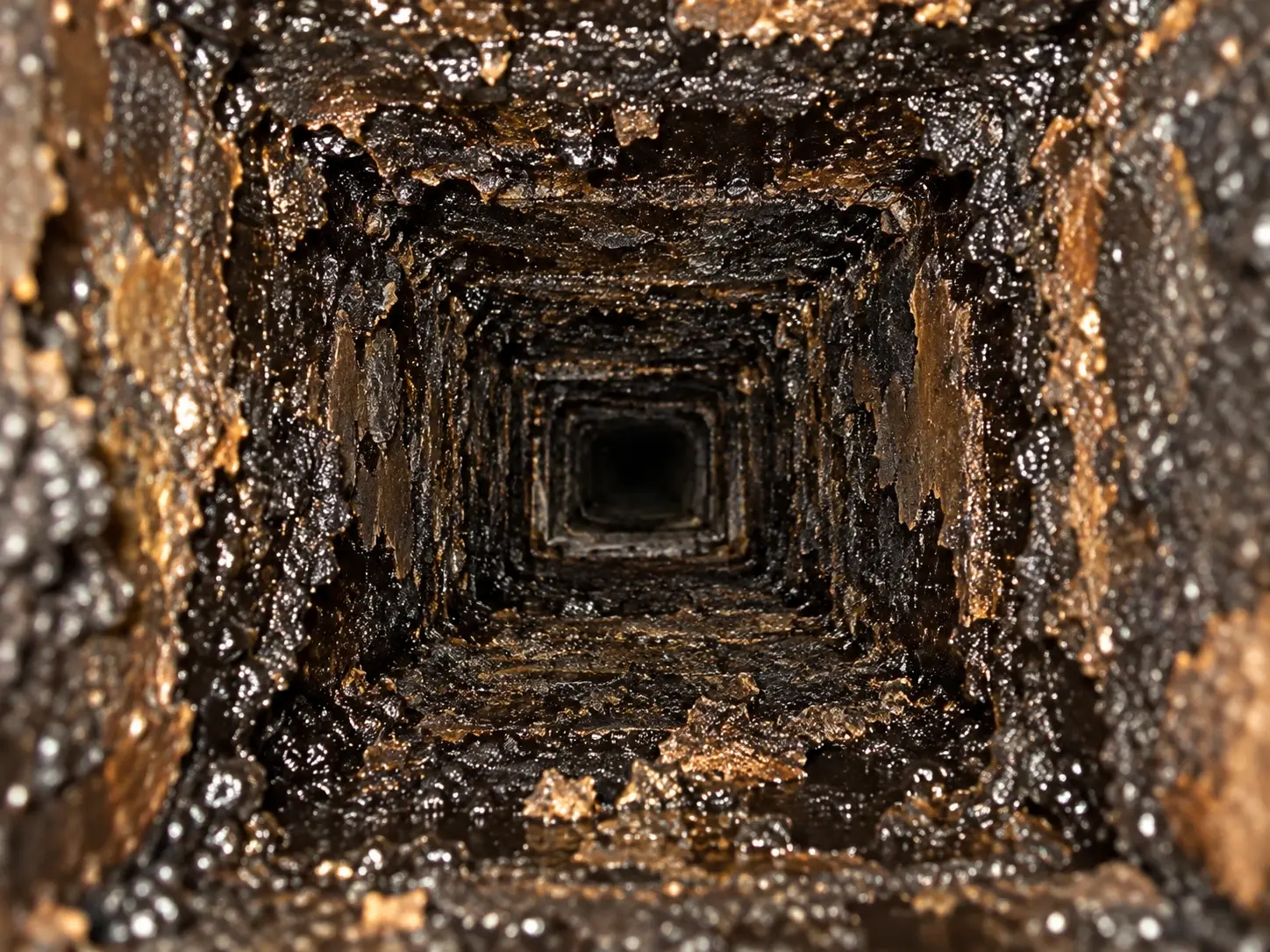
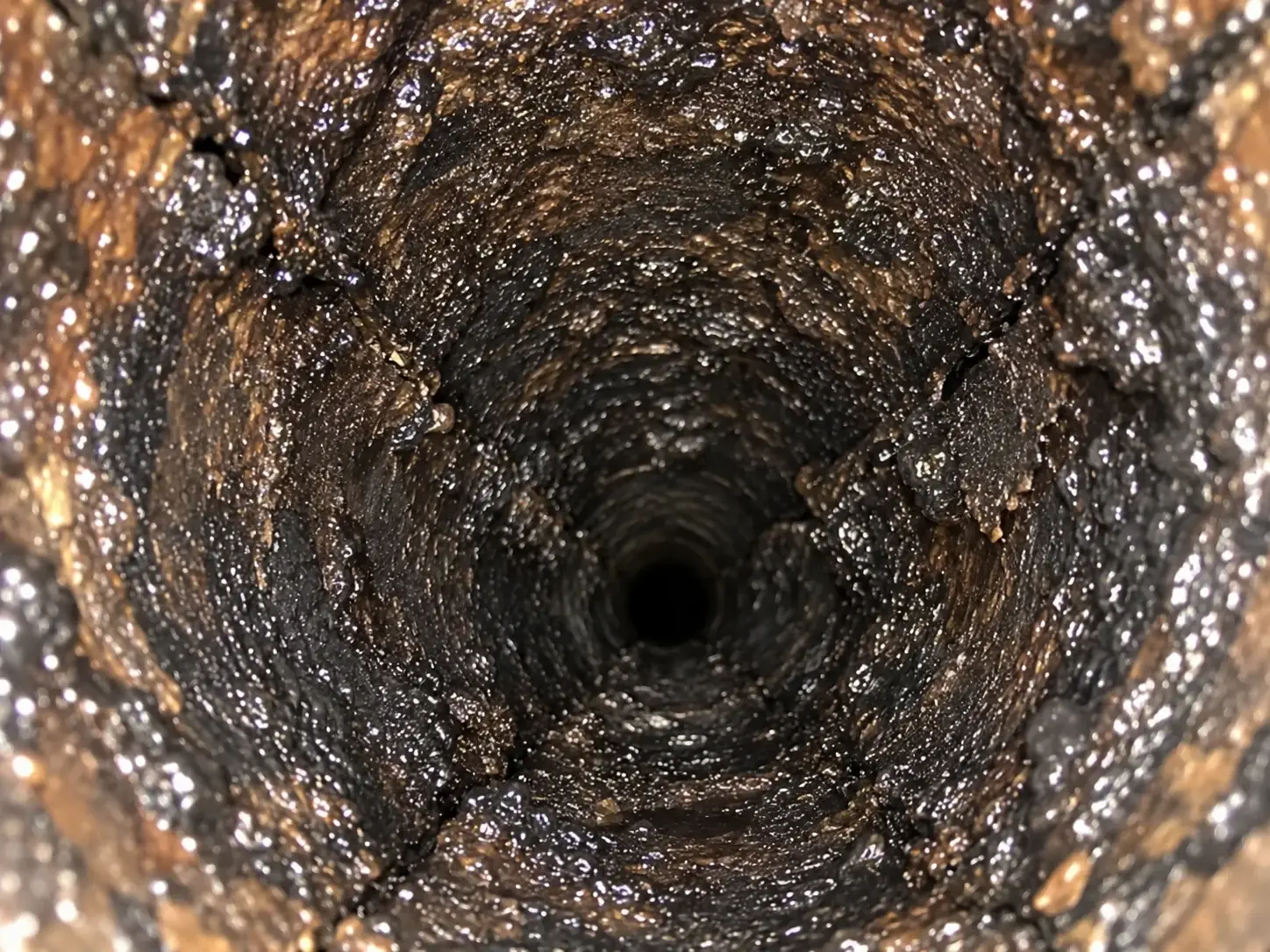
Heavy creosote buildup coating the interior surfaces of a chimney flue
Creosote Buildup
✓
Creosote forms when combustion byproducts in wood smoke condense and adhere to cooler surfaces inside the chimney.
✓
Buildup is more likely with conditions such as wet or unseasoned wood, restricted airflow and cooler-burning fires.
✓
Creosote is highly combustible and enough buildup can ignite and cause a chimney fire.
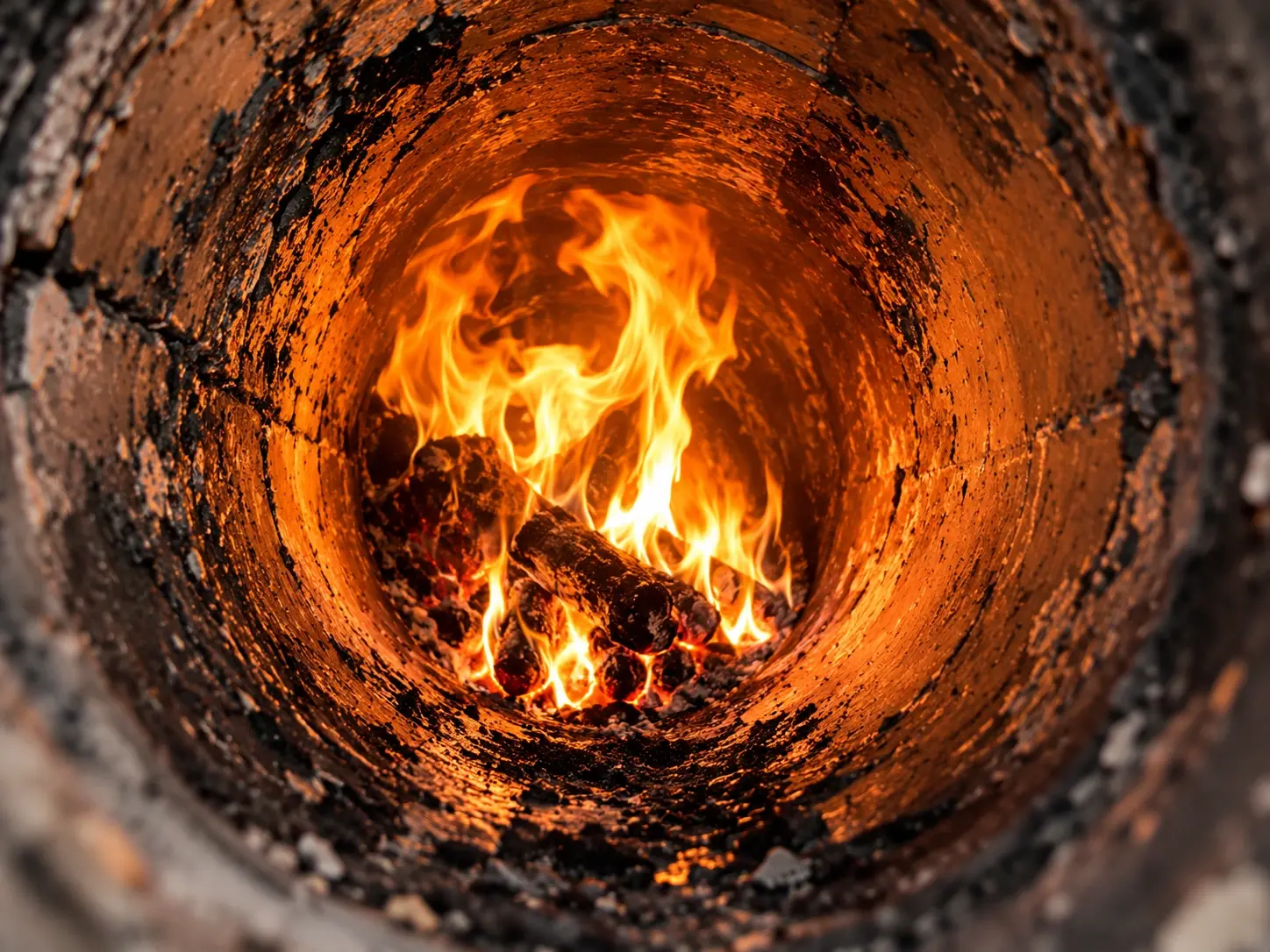
Fire burning inside a chimney flue representing a chimney fire
Chimney Fire
✓
Accumulated creosote and other combustible deposits can ignite inside the flue.
✓
The intense heat from a chimney fire can damage flue liners, masonry and other chimney components.
✓
A video scan can help identify visible damage or deterioration that may require further evaluation before the fireplace is used.
 
What We Look For
 

Common Chimney Problems a Video Chimney Scan Can Reveal

A video chimney inspection can reveal visible conditions hidden inside the flue, including cracked chimney liners, creosote buildup, blockages, deteriorated materials, separated or misaligned components, animal nests, water-related damage and other obstructions. Internal video scanning is also an important part of the more detailed chimney inspection procedures described in CSIA’s chimney inspection guidance .

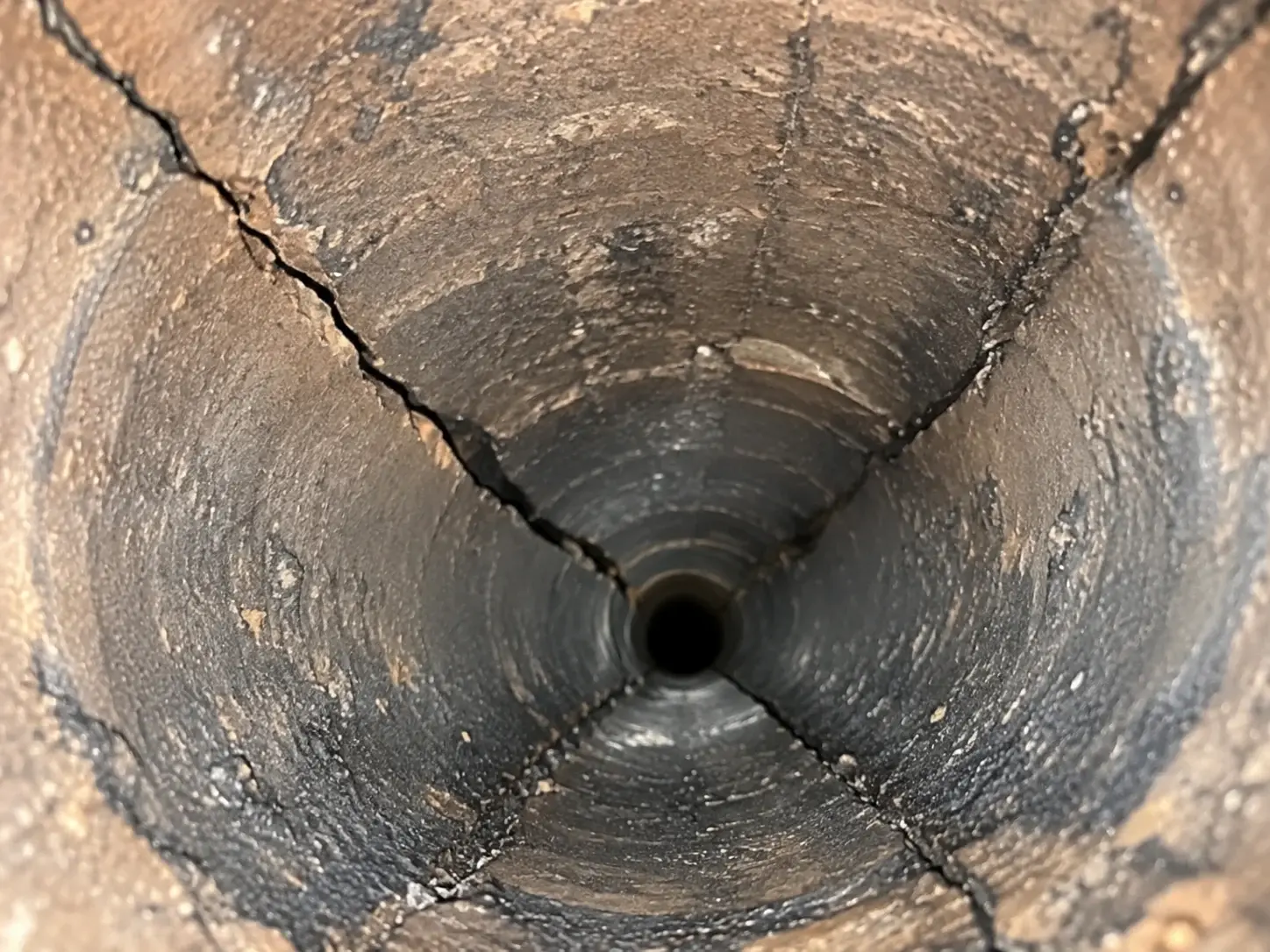
Cracked chimney flue liner visible during an internal video chimney inspection
Cracks & Fractures
Cracks, fractures or gaps in a chimney flue liner can compromise the intended venting pathway and may allow heat, smoke or combustion gases to reach areas outside the flue.
Heavy creosote buildup coating the interior of a chimney flue
Creosote Buildup
Combustible creosote can accumulate on interior chimney surfaces over time, particularly when wood is wet, fires burn cool or airflow is restricted.
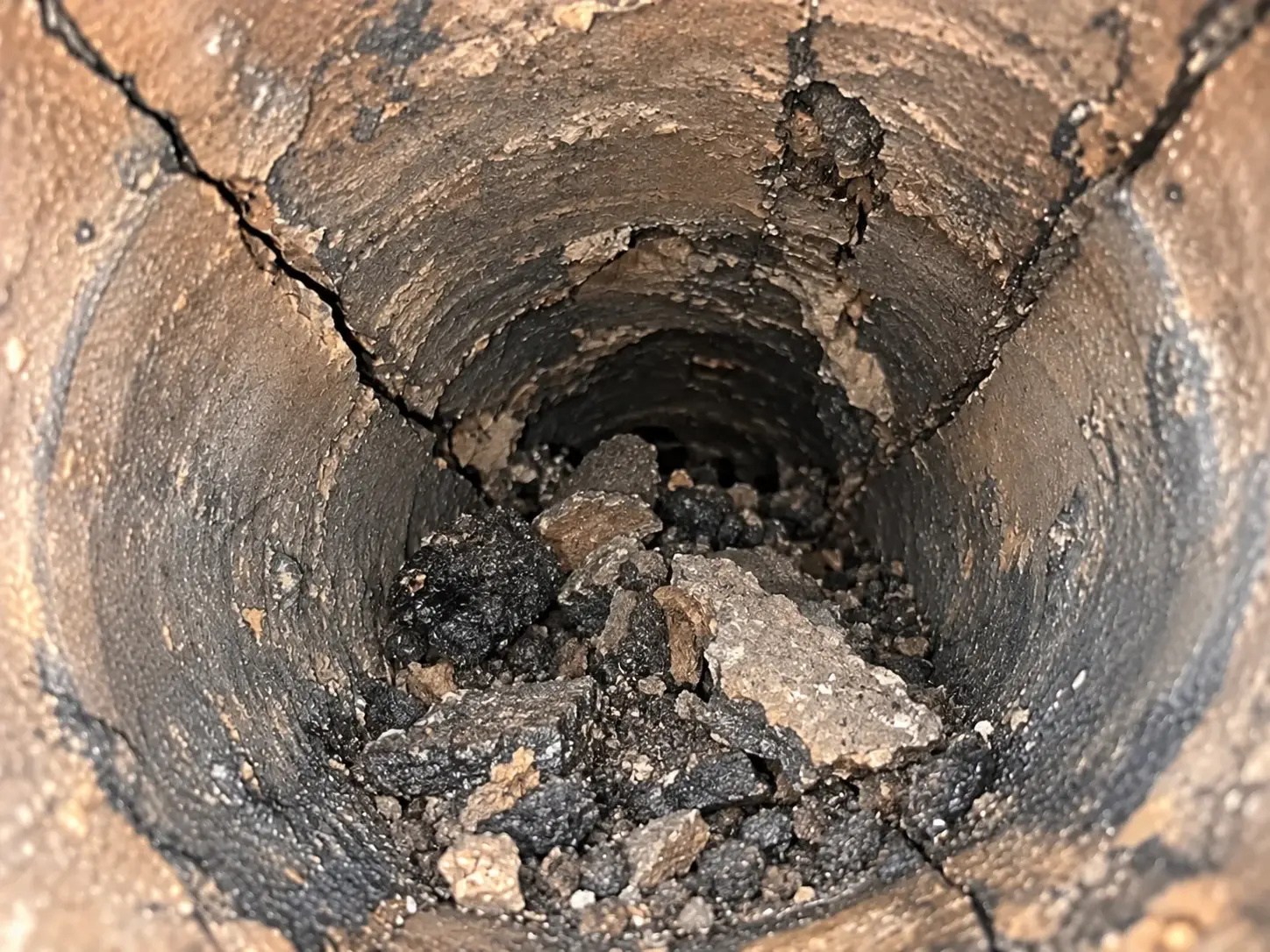
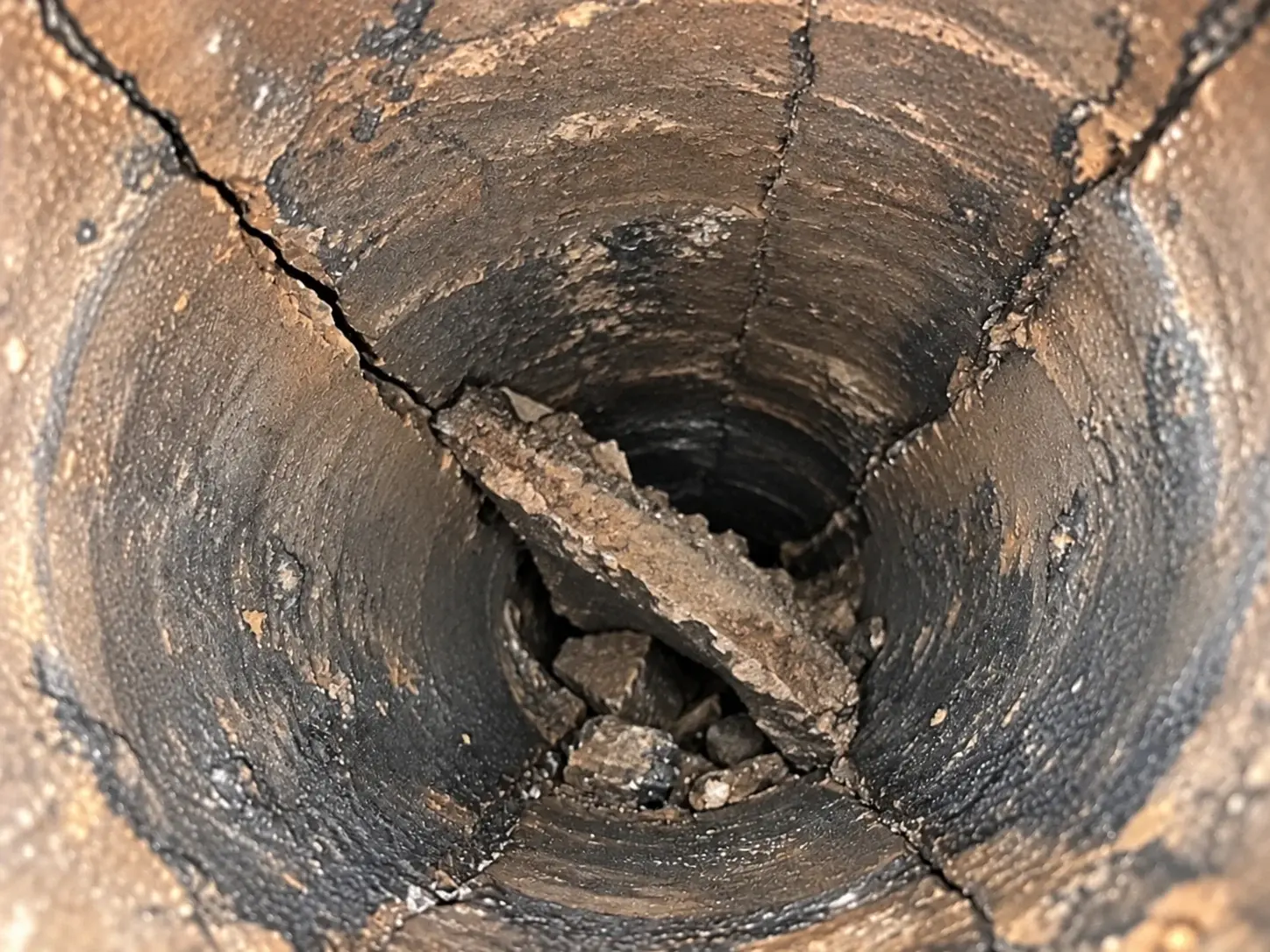
Debris and damaged material creating a blockage inside a chimney flue
Blockages & Debris
Fallen masonry, loose liner material, soot and other debris can partially restrict the chimney flue and interfere with the movement of smoke and combustion gases.
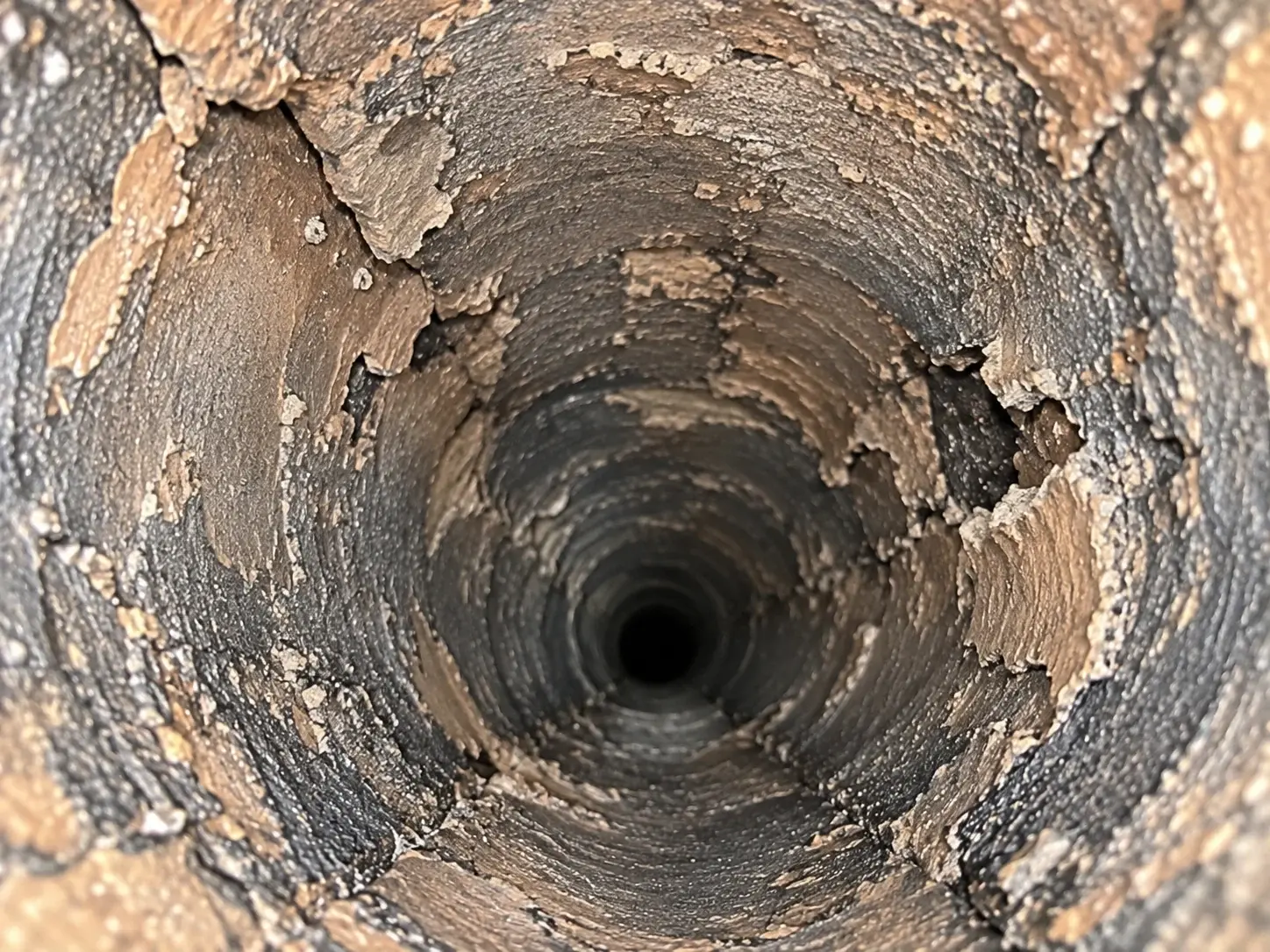
Deteriorated and flaking chimney liner material viewed inside a chimney
Deteriorated Materials
Flaking, spalling or deteriorated liner and masonry surfaces can indicate aging, moisture exposure, heat damage or other conditions requiring further evaluation.
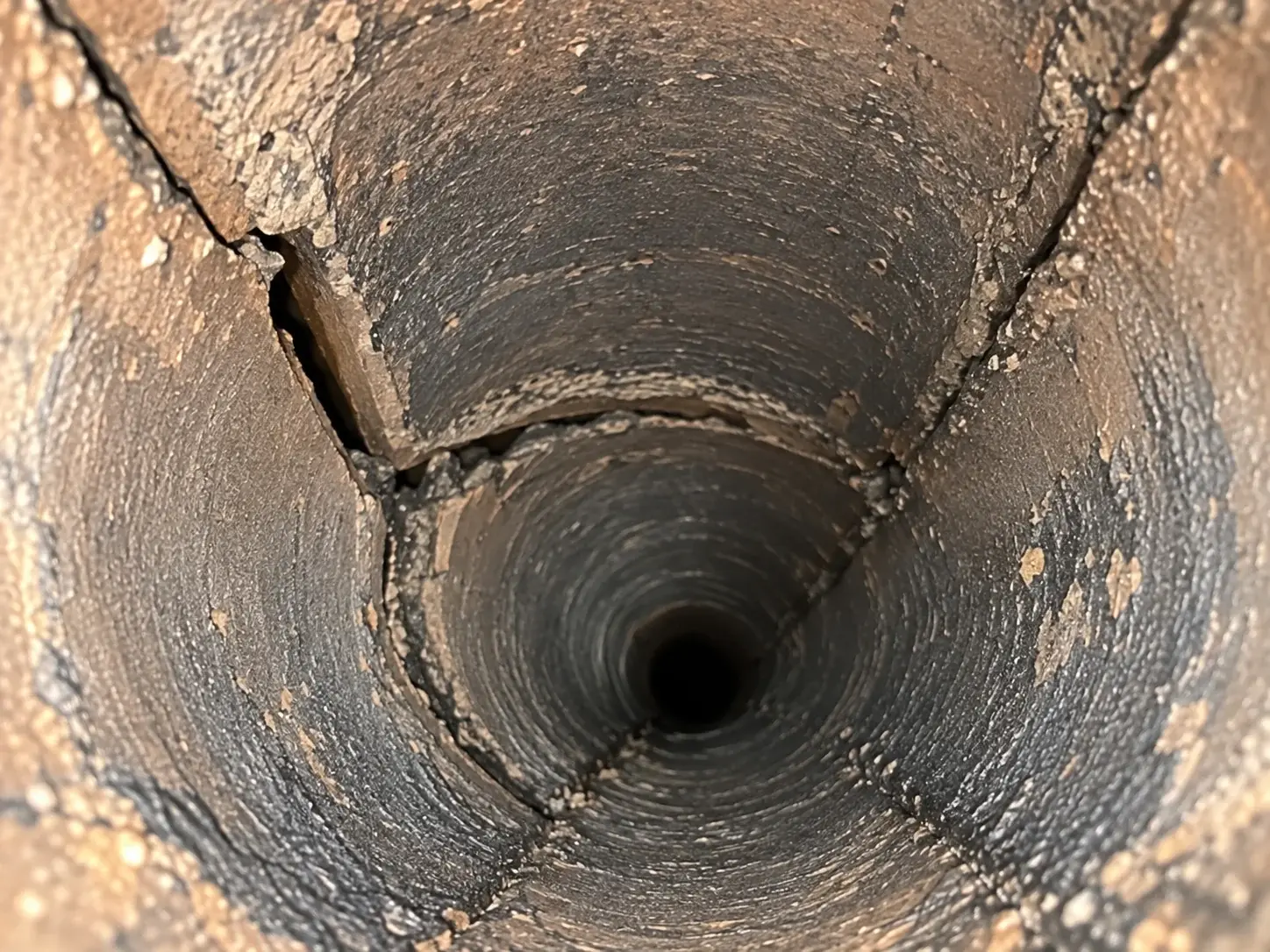
Separated or misaligned chimney flue liner components visible during a chimney camera inspection
Separated or Misaligned Components
Shifted flue tiles, open mortar joints or separated components can create gaps in the chimney’s intended pathway for carrying smoke and combustion gases outdoors.
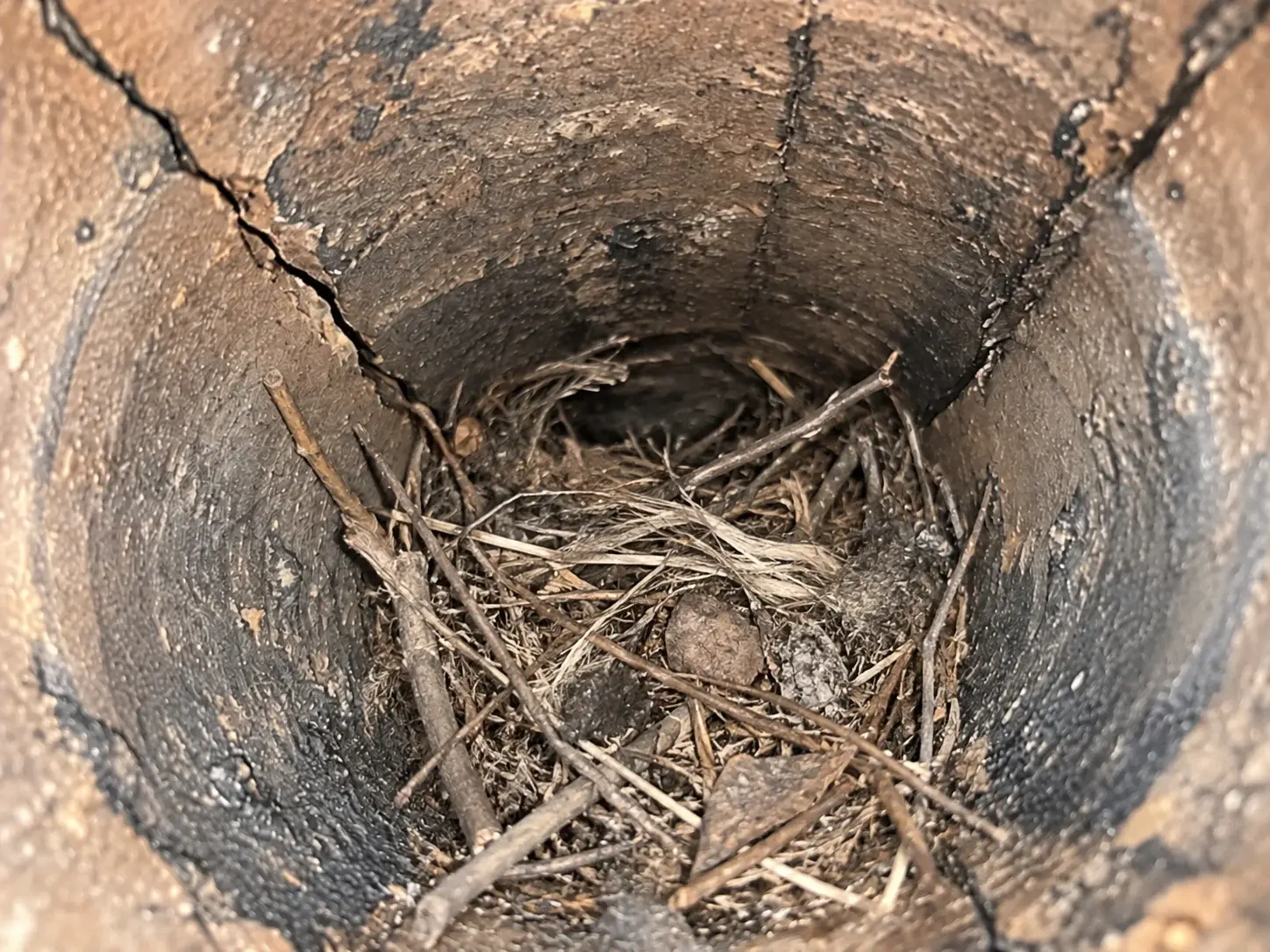
Bird nest and nesting material obstructing the interior of a chimney flue
Animal Nests
Birds and other animals can introduce nests and nesting material into a chimney, potentially restricting the flue and creating combustible material inside the system.
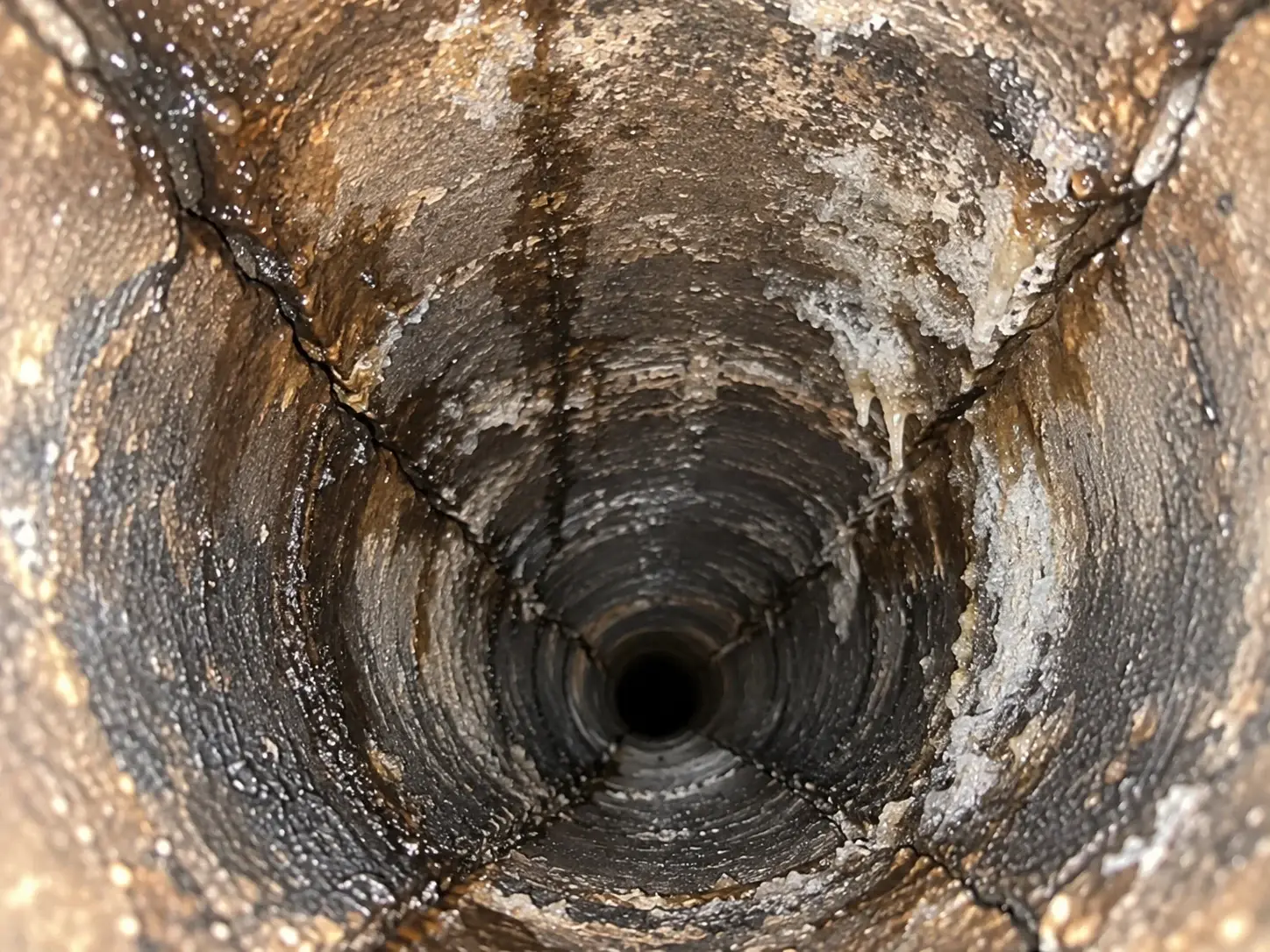
Moisture staining and water-related deterioration inside a chimney flue
Water-Related Damage
Moisture intrusion can contribute to staining, deteriorated mortar, damaged liner surfaces and other visible signs of chimney deterioration.
Physical obstruction restricting the interior opening of a chimney flue
Flue Obstructions
Physical obstructions can narrow or block the flue and interfere with the chimney’s ability to properly vent smoke and combustion gases from the home.
 
How a Chimney Fire Develops
 

From Normal Wood Burning to a Serious Chimney Fire

Burning wood produces smoke and combustion byproducts that travel through the chimney. When those gases cool before leaving the flue, combustible creosote can form on the interior surfaces. Over time, enough buildup can create the conditions for a chimney fire if the deposits are exposed to sufficient heat, flames or sparks.

1
Smoke & Combustion Gases
Wood combustion produces smoke, gases and particles that travel upward through the fireplace and chimney flue.
2
Creosote Begins to Form
As combustion gases rise into cooler portions of the chimney, some compounds can condense and adhere to the flue walls, forming creosote.
3
Buildup Increases
Repeated burning can allow creosote deposits to accumulate. Wet or unseasoned wood, cooler fires and restricted airflow can increase buildup.
4
Creosote Ignites
Because creosote is highly combustible, accumulated deposits can ignite when exposed to sufficient heat, flames, sparks or embers.
5
Extreme Heat Can Cause Damage
A chimney fire can expose the flue liner, masonry and nearby chimney components to intense heat, potentially creating cracks, deterioration or other damage.
Airflow matters. Restricted airflow can contribute to creosote buildup. The EPA specifically notes that this can occur when a fireplace damper is not opened sufficiently or when airflow is otherwise inadequate to move heated smoke through the chimney efficiently.
 
Burn the Right Wood
 

Wet Wood Is One of the Biggest Creosote Problems

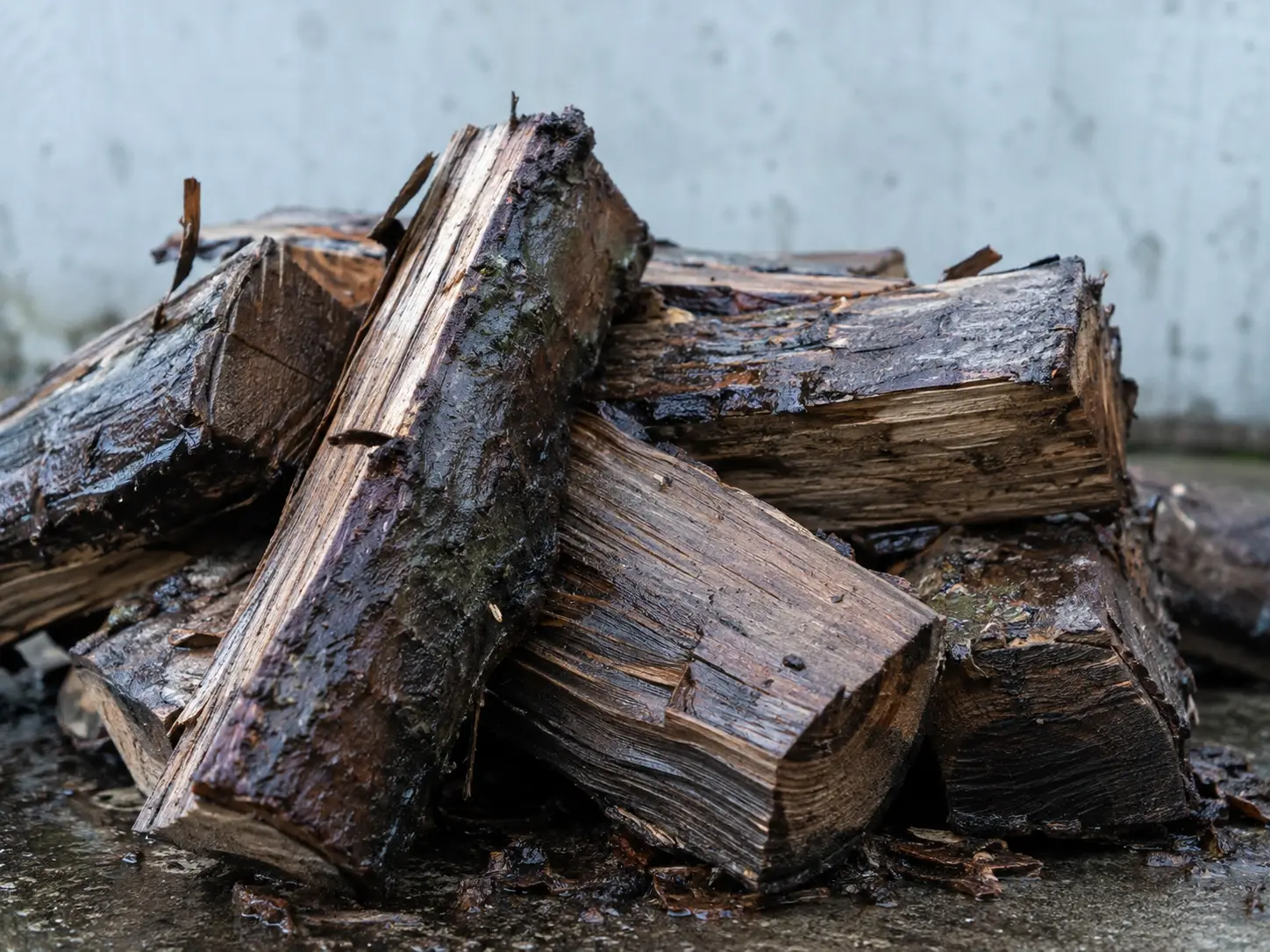
Burning wet or unseasoned firewood forces much of the fire’s energy to evaporate moisture instead of producing a hot, efficient burn. The result is a cooler, smokier fire that can send more unburned combustion products into the chimney, where they can contribute to creosote formation. For cleaner, more efficient burning, the EPA recommends burning dry, seasoned wood with a moisture content below about 20% .

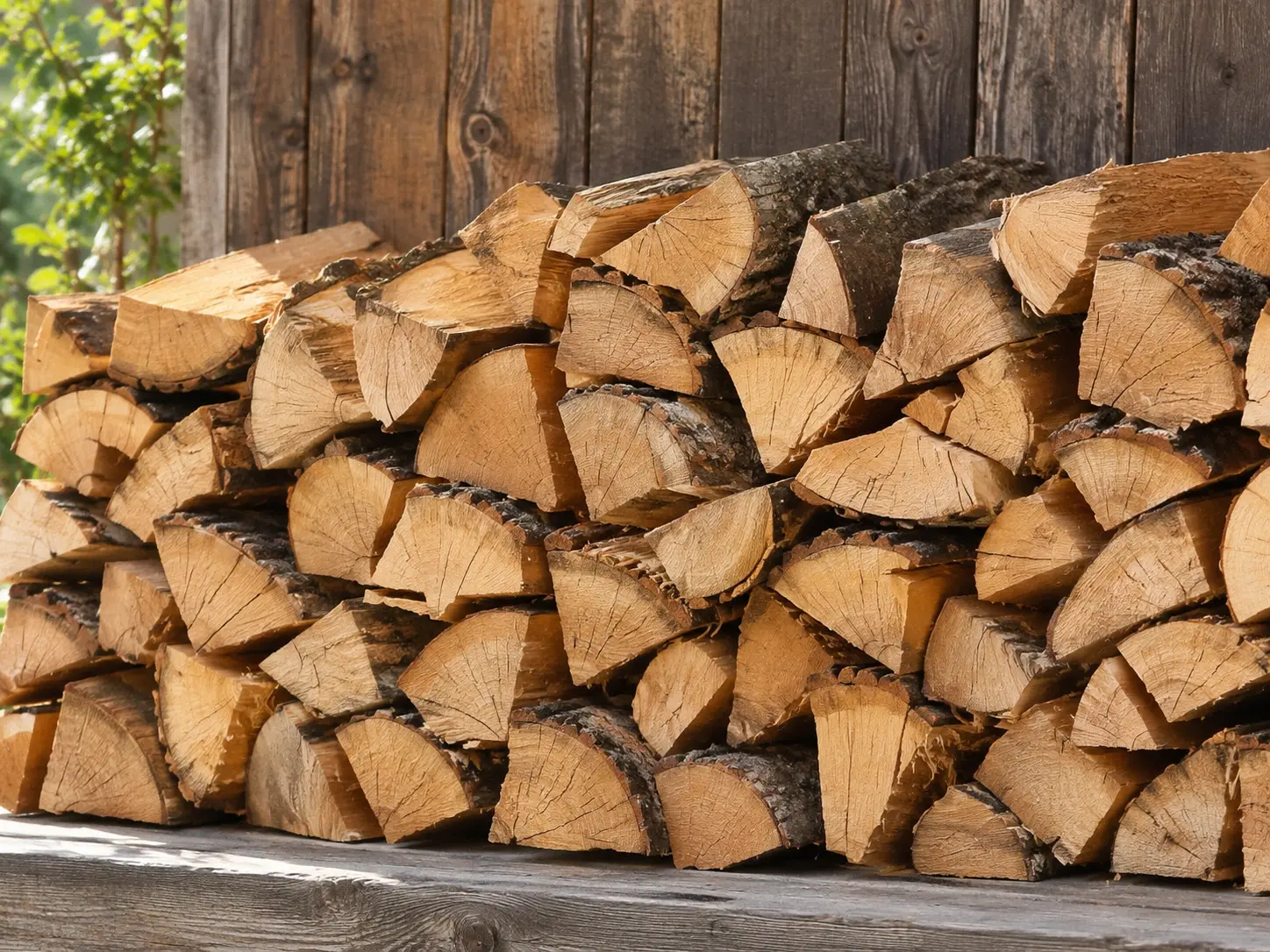
Dry seasoned firewood ready for clean efficient burning
✓
Dry, Seasoned Wood
The Better Choice
✓
Moisture content of approximately 20% or less
✓
Burns hotter and more efficiently
✓
Produces less smoke than wet or green firewood
✓
Helps reduce conditions that contribute to excessive creosote formation
Wet unseasoned firewood that should be allowed to dry before burning
×
Wet or Unseasoned Wood
Avoid Burning
×
High moisture content absorbs heat from the fire
×
Creates a cooler, less efficient burn
×
Produces more smoke and incomplete combustion
×
Can increase creosote accumulation and chimney-fire risk
The Pine Myth
Is Pine Safe to Burn?
×
Myth
Pine should never be burned because it automatically causes dangerous creosote buildup or chimney fires.
✓
Reality
Properly seasoned pine can be burned. Pine and other softwoods generally burn faster than dense hardwoods, and some guidance recommends limiting heavy use of resinous softwoods. Creosote formation also depends heavily on moisture content, fire temperature, airflow and chimney conditions. Whatever species you burn, use properly seasoned firewood and maintain the chimney appropriately.
The bigger issue is how the wood burns. Moisture content, airflow, fire temperature and chimney conditions can have a major effect on creosote formation.
 
When to Schedule
 

When Should You Have a Chimney Inspection?

A chimney inspection and video chimney scan can be especially valuable when buying a home, returning a fireplace to service, after a chimney fire or damaging event, or when changes have been made to a fireplace or connected appliance. For ongoing maintenance, the U.S. Fire Administration recommends having chimneys cleaned and inspected each year by a professional .

Buying a Home
A chimney camera inspection can provide a closer look at concealed flue conditions before you take ownership of the property.
Before Using an Unfamiliar Fireplace
Especially when you do not know when the fireplace was last used, cleaned or professionally evaluated.
After a Chimney Fire
A chimney fire can damage flue tiles, mortar joints and other components even when the damage cannot be seen from the fireplace opening.
After a Significant Event
Severe storms, lightning, impact, seismic movement or other events can damage chimney components and warrant a closer evaluation.
After Appliance or Fuel Changes
Changes such as a new fireplace insert, stove, gas logs or different fuel type can alter the venting requirements of the chimney system.
Routine Annual Maintenance
Regular professional inspection can help identify developing chimney, fireplace and venting concerns before the next burning season.
 
Your Chimney Scan Results
 

What You Receive

A chimney video scan gives you more than a quick look from the fireplace opening. We document visible conditions inside the flue and explain any significant concerns identified during the inspection so you have a clearer understanding of the chimney’s observed condition.

✓
Internal flue imagery and video when available, showing areas that cannot normally be seen from the fireplace opening.
✓
Documented visible conditions such as cracked liners, creosote buildup, blockages, deterioration or other concerns.
✓
Clear explanations of significant findings and why they may matter.
✓
Recommendations for next steps when cleaning, repair or additional evaluation by a qualified chimney professional should be considered.
 
Why Dunsing

Experience You Can Trust

For decades, Dunsing has provided residential and commercial inspections throughout Chicagoland. Our experienced inspectors combine local knowledge, ongoing training and detailed reporting to help buyers, sellers and homeowners better understand the properties they depend on.

✓
Licensed home inspectors
✓
Decades of residential and commercial inspection experience
✓
Detailed, easy-to-understand inspection reports
✓
Responsive, knowledgeable inspection team
✓
Trusted by homeowners, buyers and real estate professionals
Loading Google reviews…

Frequently Asked Questions

What is a chimney inspection and video chimney scan?

A chimney inspection evaluates visible and accessible fireplace, chimney and venting components for defects or conditions that may affect their operation or safe use. A video chimney scan, sometimes called a chimney camera inspection or video chimney inspection, uses specialized camera equipment to examine interior portions of the flue that cannot normally be seen from the fireplace opening.

The additional camera view can help identify concealed conditions such as cracked or deteriorated flue liners, creosote buildup, separated components, blockages, debris and other visible concerns.

Is a video chimney scan included in a standard home inspection?

A standard home inspection includes evaluation of visible and accessible fireplace and chimney components, but much of the interior chimney flue cannot be adequately viewed from the fireplace opening.

A video chimney inspection is an additional service that provides a closer look inside the chimney using specialized camera equipment. This can be particularly valuable when buying a home or when the history and condition of the fireplace and chimney are unknown.

What problems can a chimney camera inspection find?

A video chimney scan can reveal many visible conditions inside the chimney, including cracked or fractured flue liners, open or deteriorated joints, creosote buildup, blockages, fallen debris, deteriorated materials, misaligned components, animal nests, moisture-related deterioration and other flue obstructions. 

Because the inspection is visual, it cannot identify every concealed condition outside the flue or within inaccessible portions of the chimney. 

Does Dunsing check the fireplace damper during a chimney inspection?

Yes. When the fireplace damper is accessible, Dunsing evaluates its visible condition and checks its basic operation, including whether it opens and closes as intended.

Proper damper operation is important because the damper helps control airflow through a wood-burning fireplace. Restricted airflow, including a damper that is not opened sufficiently, can contribute to conditions that encourage creosote formation. The EPA specifically identifies restricted airflow and insufficient damper opening as factors associated with creosote buildup.

Is a Dunsing chimney scan the same as a Level II chimney inspection?

Not necessarily. A Level II chimney inspection is a specific inspection category defined by NFPA 211 and includes requirements beyond simply running a camera through the flue.

Dunsing’s chimney scan uses specialized video equipment to evaluate visible interior chimney conditions as part of our inspection service. We do not describe the service as a full Level II inspection unless all requirements of that inspection level are being performed.

How often should a chimney be inspected?

The U.S. Fire Administration recommends having chimneys cleaned and inspected each year by a professional. Annual evaluation can help identify developing conditions such as creosote buildup, cracks, deterioration, blockages and other concerns before another burning season.

Additional inspection may also be appropriate after a chimney fire, significant damage event, appliance or fuel change, or before using a fireplace with an unknown maintenance history.

Should I get a chimney inspection before buying a home?

A chimney inspection and video scan can be especially valuable before purchasing a home because much of the chimney flue is hidden from ordinary view. A fireplace may appear normal from the room while cracked flue tiles, creosote buildup, deterioration or other defects exist farther inside the chimney.

Identifying significant chimney concerns before closing gives buyers an opportunity to better understand the property and obtain additional evaluation or repair information when needed.

What causes creosote buildup inside a chimney?

Creosote forms when combustion byproducts in wood smoke rise into the chimney, cool and condense on interior surfaces. It is combustible, and excessive accumulation can contribute to a chimney fire.

Conditions that encourage creosote formation include burning wet or unseasoned wood, restricted airflow, a damper that is not opened sufficiently, cooler chimney temperatures and prolonged smoldering fires.

Why shouldn’t I burn wet or unseasoned firewood?

Wet wood uses much of the fire’s energy simply evaporating moisture. This creates a cooler, smokier and less efficient fire and can send more unburned combustion products into the chimney, contributing to creosote formation.

The EPA recommends burning dry, seasoned firewood with a moisture content of about 20% or less. A basic wood moisture meter can be used to check firewood before burning.

Is pine safe to burn in a fireplace?

Properly seasoned pine can be burned, so the common claim that pine automatically causes chimney fires is too simplistic.

Pine and other softwoods generally burn faster than dense hardwoods, and some professional guidance recommends limiting heavy use of resinous softwoods. However, moisture content, fire temperature, airflow and chimney conditions are also major factors in creosote formation. Whatever species you use, the important principles are to burn properly seasoned firewood, maintain adequate airflow and have the chimney appropriately inspected and maintained.

What happens if a chimney scan finds a problem?

Dunsing documents significant visible conditions identified during the chimney inspection and video scan and explains why those findings may matter.

Depending on the condition, we may recommend cleaning, repair or additional evaluation by a qualified chimney professional before continued fireplace use. Dunsing’s role is to identify and document the observed condition rather than sell chimney repairs, which helps keep the inspection focused on providing objective information.

Does Dunsing provide chimney inspections throughout Chicagoland?

Yes. Dunsing provides chimney inspections and video chimney scans throughout Chicago and the surrounding suburbs for home buyers, homeowners and property owners.

A chimney camera inspection can be scheduled along with a home inspection to provide a closer evaluation of the fireplace, accessible chimney components and interior flue conditions that may not be visible during a standard inspection.

How much does a chimney inspection and video scan cost?

Dunsing chimney inspection and video scan pricing is typically around $200 for a standard residential chimney when added to a home inspection, although the final cost can vary based on the number of chimneys or flues being evaluated and whether the chimney inspection is performed as an add-on or as a standalone service.

For homes with multiple fireplaces, chimneys or flue systems, additional inspection time and equipment may be required. Contact Dunsing for current pricing based on the property and inspection scope.

 
Our Expert Inspection Services
 

Specialized Services for a Deeper Look

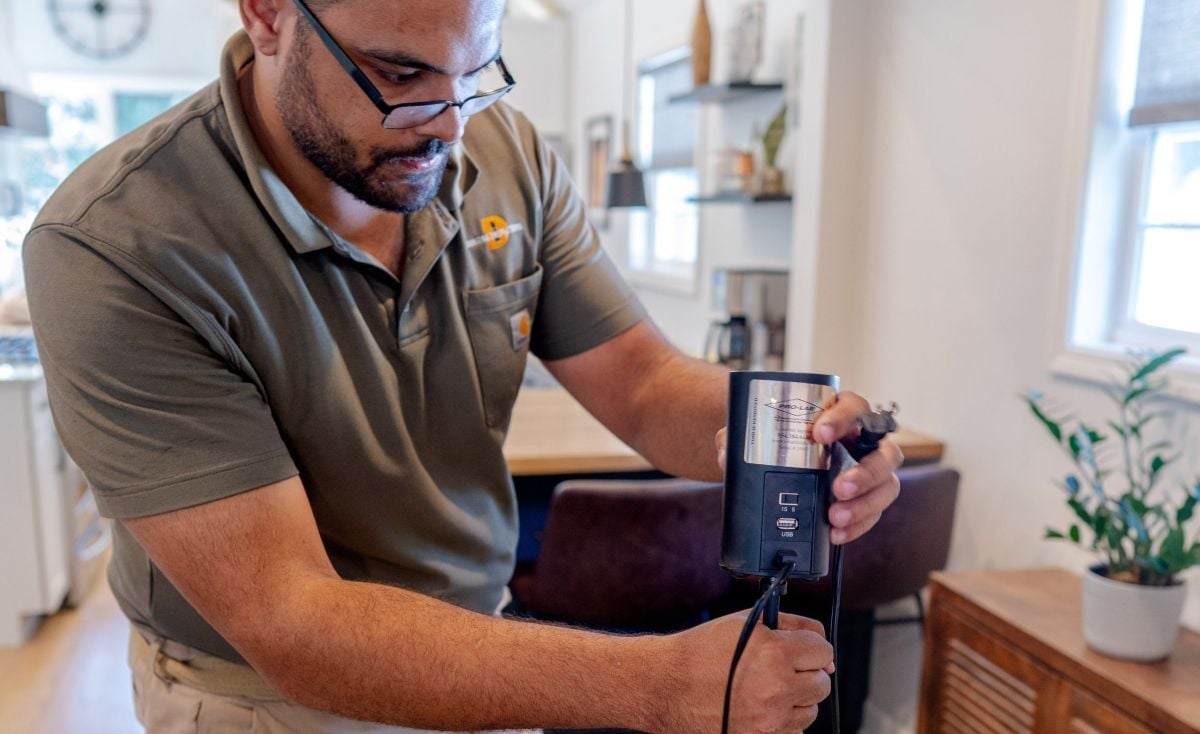
In addition to standard property inspections, we offer a range of specialized services to uncover potential issues, evaluate key systems, and provide greater peace of mind.

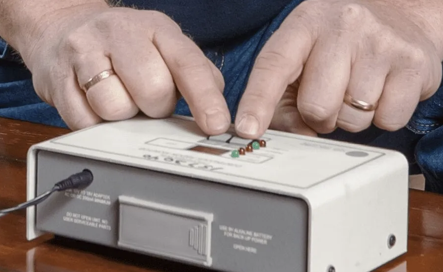
Radon Testing

  • Radon is an invisible, odorless gas and the second leading cause of lung cancer. Our professional radon testing services deliver accurate results, giving you the information you need to protect your home and the people who matter most.

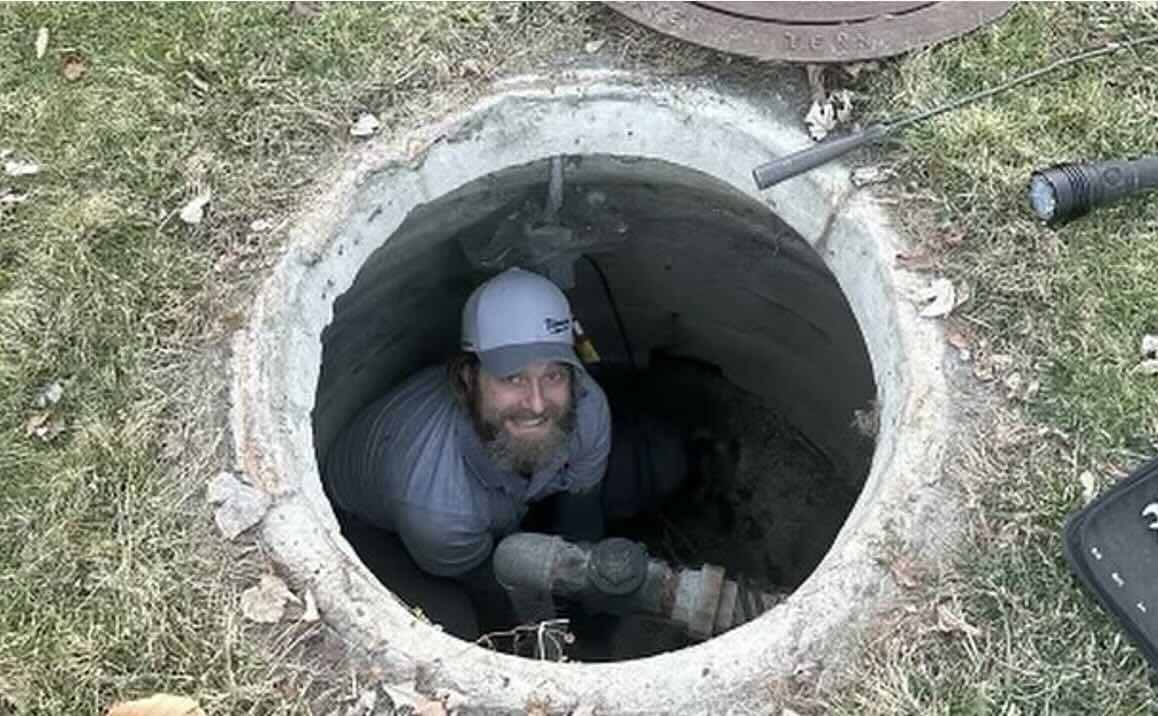
Sewer Surveys

  • Sewer line problems are often hidden from view and impossible to detect without a camera inspection. Our professional sewer camera inspections provide accurate results to help protect your home, your investment, and your peace of mind.

Mold Testing

  • Mold can grow unnoticed behind walls and in hidden areas, impacting your home's air quality and your family's health. Our professional mold testing services provide accurate results to help protect your home and the people who matter most.

Chimney Scan

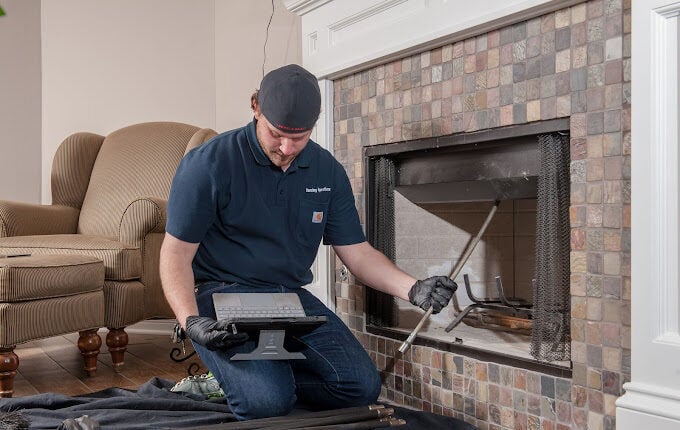
  • Hidden damage inside your chimney can increase the risk of dangerous house fires if left undetected. Our professional chimney scan services provide detailed results to help protect your home, your family, and your peace of mind.

Thermal Imaging

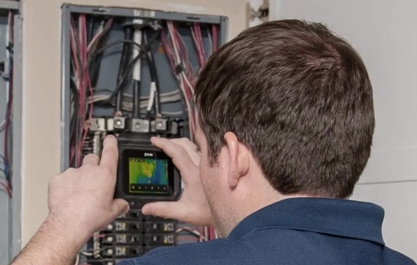
  • Hidden moisture, electrical hot spots, and missing insulation can lead to costly damage if left undetected. Our professional thermal imaging inspections provide detailed insights to help protect your home and your investment.

EIFS/Dryvit®

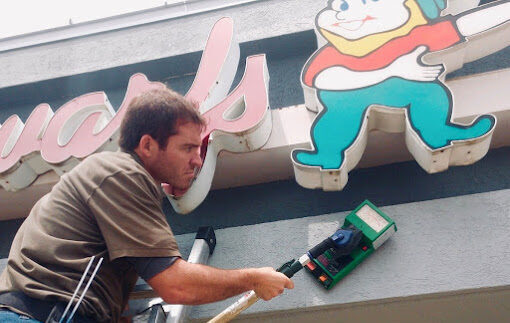
  • EIFS (synthetic stucco) can allow hidden moisture intrusion if not properly installed or maintained. Our professional EIFS inspections provide accurate results to help protect your home and prevent costly damage.

Meet Our Expert Inspectors


Get to know the experienced professionals behind every Dunsing inspection. Our licensed inspectors bring diverse backgrounds, extensive technical knowledge, and a shared commitment to providing thorough, dependable property inspections. Each member of our team is trained to clearly communicate their findings, answer your questions, and help you better understand your property. Meet our inspectors and discover the expertise, professionalism, and personal service that have helped build Dunsing’s trusted reputation.

Meet Our Expert Inspectors 


Get to know the experienced professionals behind every Dunsing inspection. Our licensed inspectors bring diverse backgrounds, extensive technical knowledge, and a shared commitment to providing thorough, dependable property inspections. Each member of our team is trained to clearly communicate their findings, answer your questions, and help you better understand your property. Meet our inspectors and discover the expertise, professionalism, and personal service that have helped build Dunsing’s trusted reputation.

Explore Our Latest Blog Posts

Explore Our Latest Blog Posts


Stay informed with practical tips, expert guidance, and helpful insights designed to protect your home and make homeownership easier. Explore our latest articles covering home inspections, maintenance, common concerns, and what homeowners and buyers should know.

Home Inspections Homebuyers & Homeowners Real Estate Agents
Your Inspector Found Some Issues. Now What?

Your Inspector Found Some Issues. Now What?

An inspection report can feel overwhelming. Learn how to prioritize findings, compare repair proposals, verify contractor credentials, and choose the right next steps before committing to work on

Read More
Jamie Dunsing Oct 5, 2026
Home Inspections Commercial Inspections Homebuyers & Homeowners
Insurance Inspections

Insurance Inspections

Your insurer may request a property inspection even after you have purchased a home. Learn what insurance inspections can cover, why they are requested, and how to prepare for the process.

Read More
Jamie Dunsing Oct 5, 2026
Home Inspections Homebuyers & Homeowners Real Estate Agents
Does a home buyer really need a Mold Inspection?

Does a home buyer really need a Mold Inspection?

Mold concerns often start with moisture or visible warning signs. Explore how a home inspection, specialized mold evaluation, and third-party testing can help you understand what needs further

Read More
Jamie Dunsing Oct 5, 2026
Home Inspections Homebuyers & Homeowners Real Estate Agents
Realtor Reforms: What Home Buyers Can Expect After the NAR Settlement

Realtor Reforms: What Home Buyers Can Expect

Changes following the 2024 NAR settlement raised new questions for buyers and real estate professionals. Jamie shares his perspective on buyer representation, compensation, and the potential impact

Read More

Jamie Dunsing Oct 5, 2026
Home Inspections Homebuyers & Homeowners Real Estate Agents
Uh-Oh, Honey, I think we just bought a house!

Uh-Oh, Honey, I think we just bought a house!

The final walkthrough deserves as much attention as the earlier steps in your purchase. Use our pre-closing checklist to review repairs, test systems, and spot changes before taking ownership.

Read More
Jamie Dunsing Oct 5, 2026
Home Inspections Commercial Inspections Homebuyers & Homeowners Real Estate Agents
Does your house suck? (Water, that is!)

Does your house suck? (Water, that is!)

Split-faced block can allow water into a building when construction details and maintenance fall short. Learn what to look for and why moisture concerns may call for a specialized evaluation.

Read More


Jamie Dunsing Oct 5, 2026