


A significant near-term expense
Roof deterioration
What we found: The roof had deteriorated enough that the report recommended replacement.
Next step: Obtain a qualified roofer’s proposal. A photo alone does not establish the full scope or price.
Choose services and arrange access.
Learn about accessible conditions.
Read the report and ask questions.
Resolve concerns and plan ownership.
START HERE
A home inspection helps you look beyond the listing photos. It can identify significant concerns, explain maintenance needs and help you understand which questions deserve further investigation before closing.
Watch our overview, then use the guide below to prepare. Whether you are buying a condo, a larger family home or an older property, clear access and good questions help you make the most of the appointment.
01 · BEFORE THE APPOINTMENT
Ask the seller to make sure we can safely reach the areas and equipment that need evaluation. Your real estate agent can help communicate these requests. Access means enough space to approach equipment, open panels and position a ladder safely.

Ask the seller to move it. If we cannot safely position a ladder beneath the opening, the attic may not be accessible for inspection.
Attic openings
Clear vehicles, shelving and belongings from the access area.
Electrical panels
Leave room to approach the panel and remove its cover safely.
Furnaces, boilers and water heaters
Clear equipment and readily accessible service panels.
Crawlspaces and locked areas
Make entrances accessible and arrange any necessary keys.
Inspectors generally do not move vehicles, heavy furniture or substantial amounts of stored belongings. Confirm that utilities are on and equipment is available as required for the appointment. Tell the team about disconnected equipment or unusual access arrangements beforehand.
02 · KNOW THE SCOPE
A residential home inspection evaluates the visible and readily accessible condition of the systems and components included in your inspection agreement. The Illinois Standards of Practice establish inspection and reporting requirements for Illinois properties. Your signed agreement identifies the services, limitations and exclusions for the appointment.
Roof covering, drainage, flashing, chimneys, exterior walls, doors, windows, decks, steps and relevant site conditions.
Accessible foundations and framing, visible structural conditions, stairs, railings and other included interior components.
Installed equipment, visible condition, accessible components and operation when conditions permit.
Accessible panels and wiring, applicable devices, supply and drain piping, fixtures and water-heating equipment.
Accessible insulation, ventilation and related conditions.
Visible and accessible components within the agreed inspection scope.
This is an overview, not an exhaustive list of every component or procedure. Explore Dunsing’s residential home inspection services.
03 · WHAT WE CAN REASONABLY ACCESS
During a purchase inspection, we are evaluating someone else’s property. The inspection must respect the building and the limits of safe, authorized access. We evaluate condition and operate equipment using normal controls. We do not take systems apart to expose every internal component.

Operate the thermostat, observe performance and examine visible components. Readily accessible service panels may be removed where safe and appropriate.
Dismantling the furnace to examine concealed internal parts or performing more extensive diagnostic testing may require an HVAC contractor and arrangements with the owner.

Exposed portions of the roofing and accessible details can be evaluated.
Decking can hide the roof membrane, flashing and connections. Removing the deck is outside the normal inspection scope. Hidden roofing remains unevaluated without additional access.
04 · CHOOSE YOUR INSPECTOR
An older home may contain original wiring, several generations of plumbing and heating equipment added during renovations. A larger home may have multiple systems, attics and electrical panels. For a condo, clarify which unit and building components fall within the inspection scope.
Dunsing typically plans for home inspections to take three hours or less. For larger or older homes, we can assign multiple licensed inspectors so you benefit from a thorough inspection without spending the entire day at the property. Some conditions or access limitations may require additional time.
05 · LOOK BEYOND THE STANDARD APPOINTMENT
A home inspection does not automatically include every test or specialized evaluation. Discuss services when booking so equipment, access and scheduling can be arranged.
MEASURE WHAT YOU CANNOT SEE
A home’s appearance or a neighboring property’s result cannot establish its radon level.
The EPA’s buyer and seller guide explains testing considerations.
UNDERSTAND BURIED PIPING
Running fixtures does not provide a camera view of the buried sewer. Discuss a scope, especially for an older home with an unknown sewer history.
LOOK INSIDE THE FLUE
Visible fireplace and chimney observations differ from using a camera inside the flue. Confirm the scope; a camera scan is not automatically a complete NFPA Level II inspection.
KNOW THE EXTERIOR WALL SYSTEM
If exterior walls have a stucco-like finish, ask whether it is EIFS and whether specialized evaluation or moisture testing is appropriate.
06 · FROM ACTUAL DUNSING REPORTS
Photos connect an observation to something you can see. These examples show different kinds of follow-up, from repair proposals to specialist evaluation.
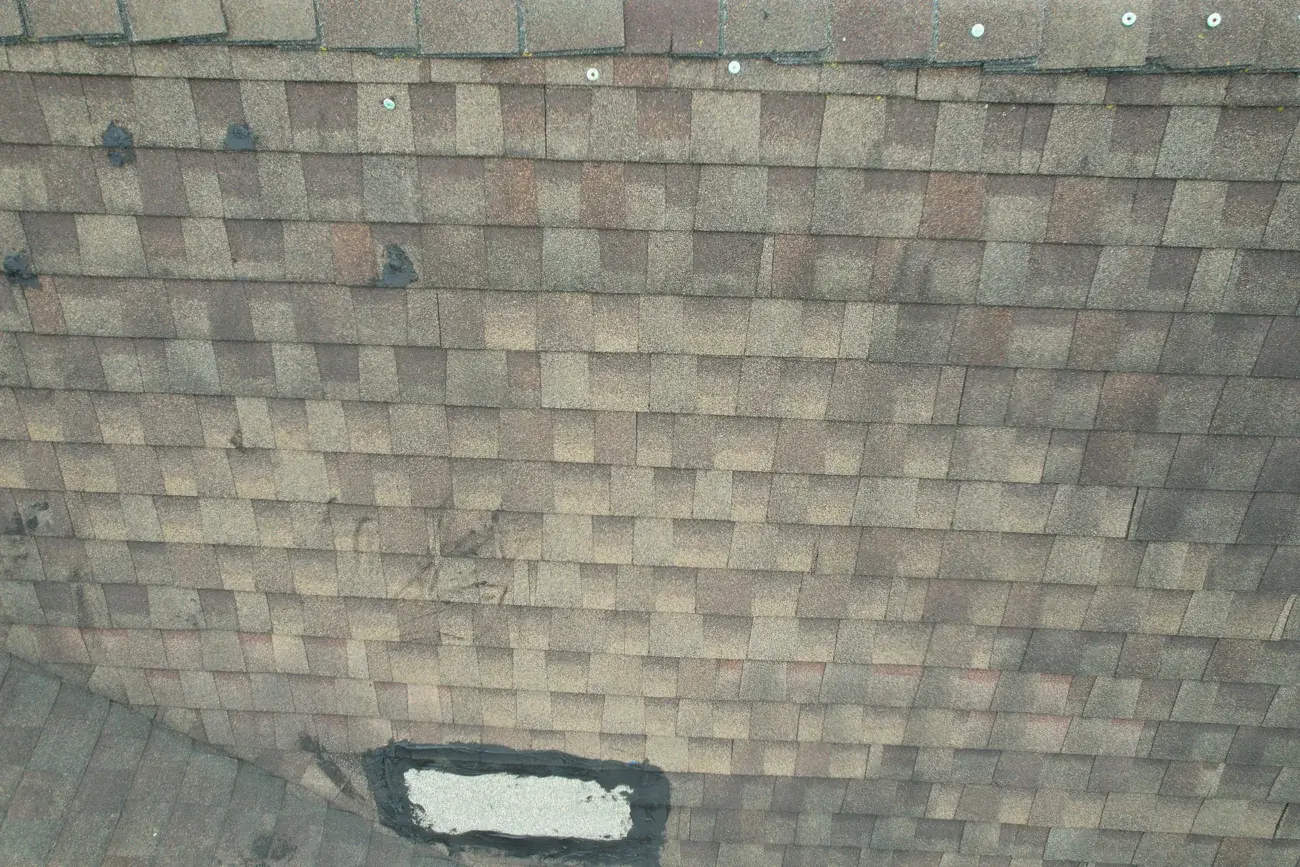
A significant near-term expense
What we found: The roof had deteriorated enough that the report recommended replacement.
Next step: Obtain a qualified roofer’s proposal. A photo alone does not establish the full scope or price.
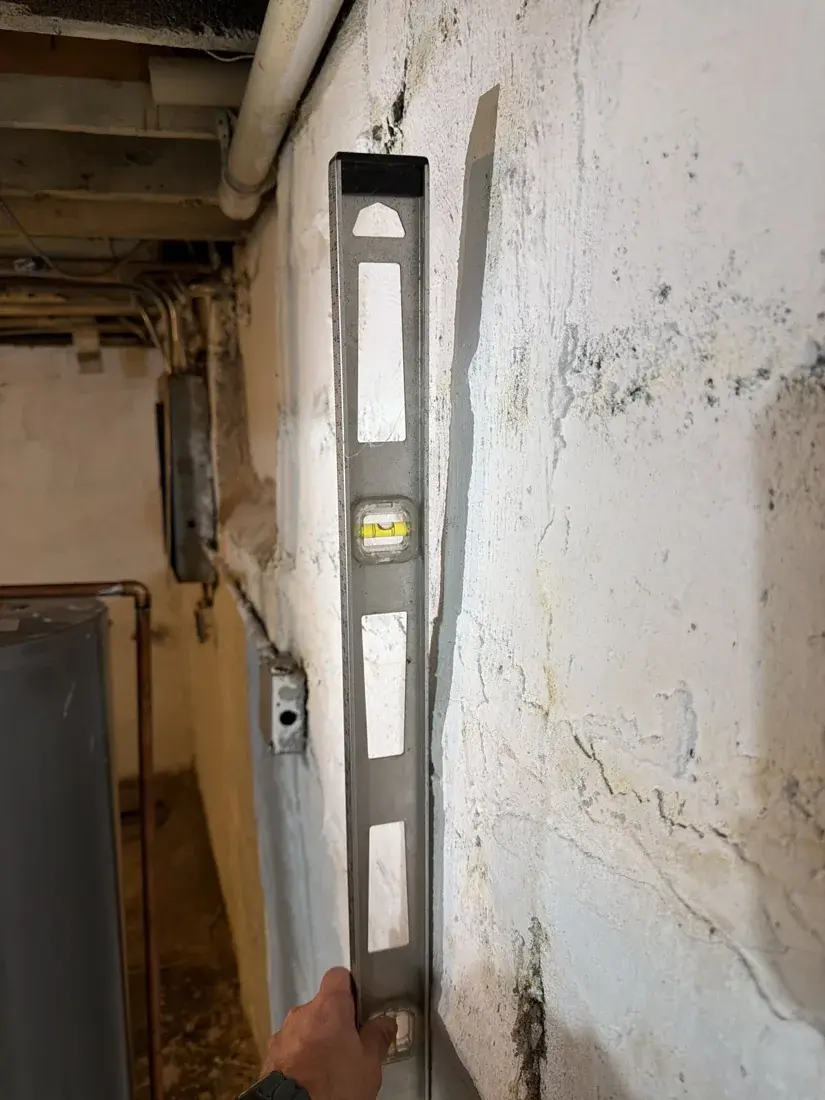
A reason for specialist evaluation
What we found: The report documented a noticeably leaning and displaced foundation wall.
Next step: Arrange evaluation by an appropriate foundation specialist, architect or engineer. An inspection does not design the repair.
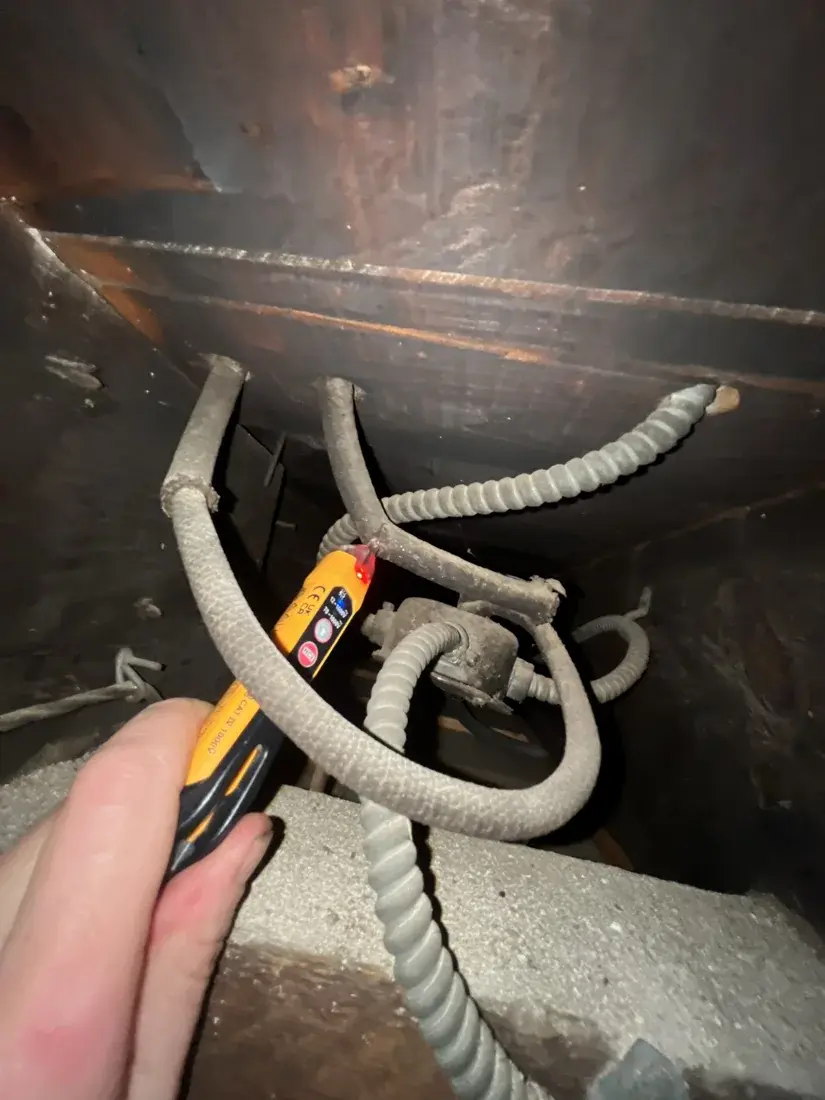
Updates may be only partial
What we found: Knob-and-tube wiring appeared live when tested during this inspection.
Next step: Obtain electrician evaluation and clarify recommended work. Confirm any applicable insurer and lender requirements.
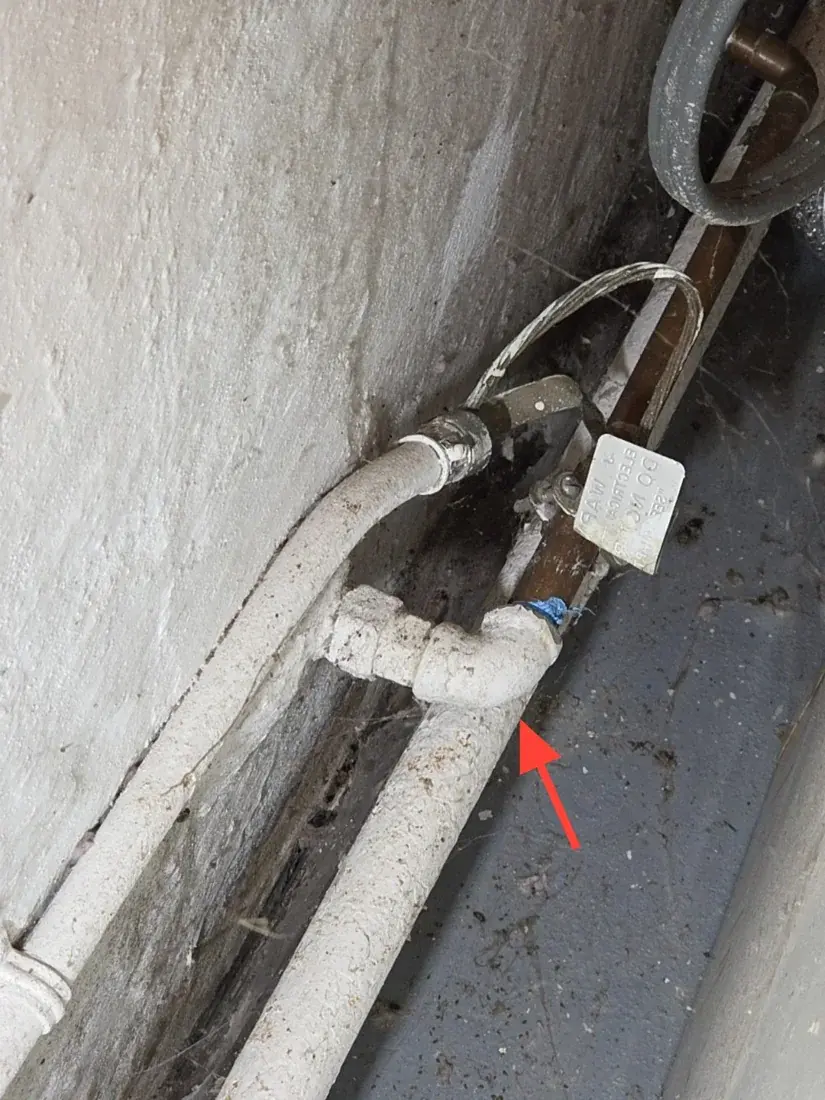
Connections deserve attention
What we found: Copper-to-galvanized connections were flagged for plumber correction.
Next step: Request the recommended plumber review. Mixed materials alone do not establish that the entire system needs replacement.
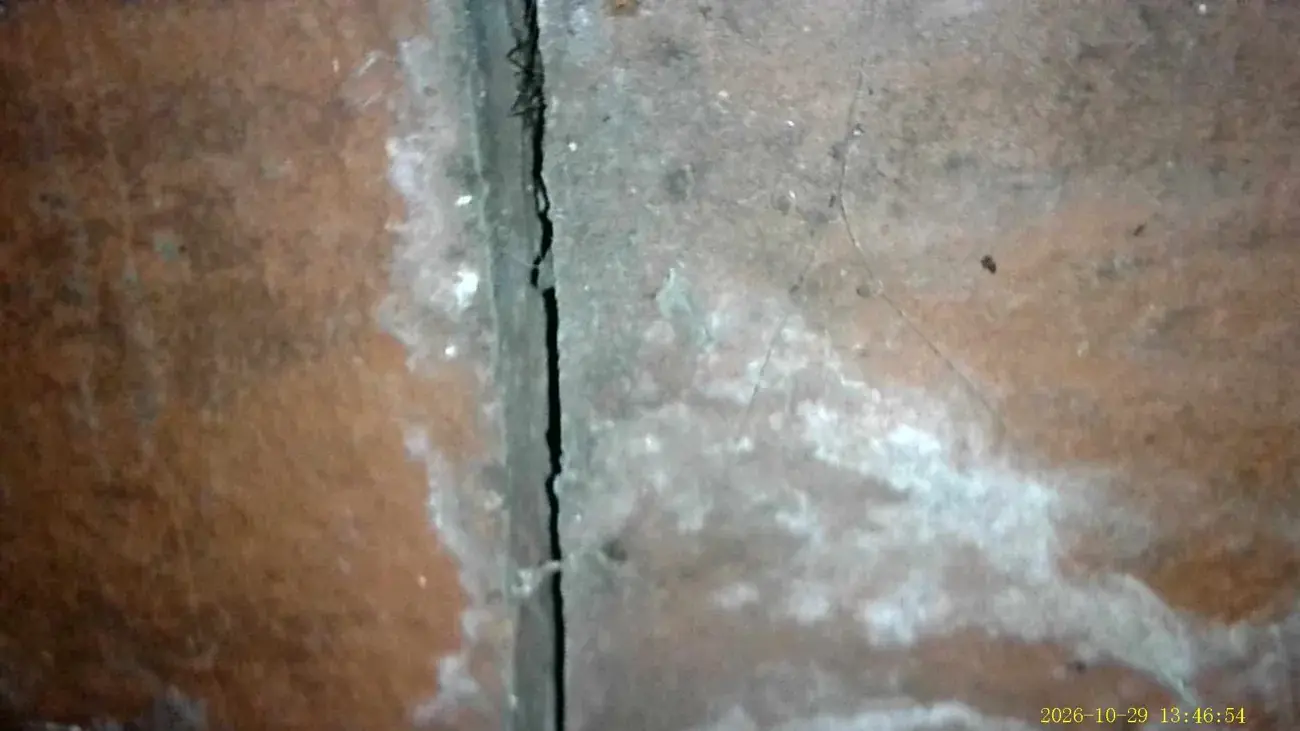
A concern inside the flue
What we found: A camera scan found gaps between flue tiles. The report identified the fireplace as unsafe to use in that condition.
Next step: Arrange qualified repairs before use. Confirm the camera service’s scope and limitations.
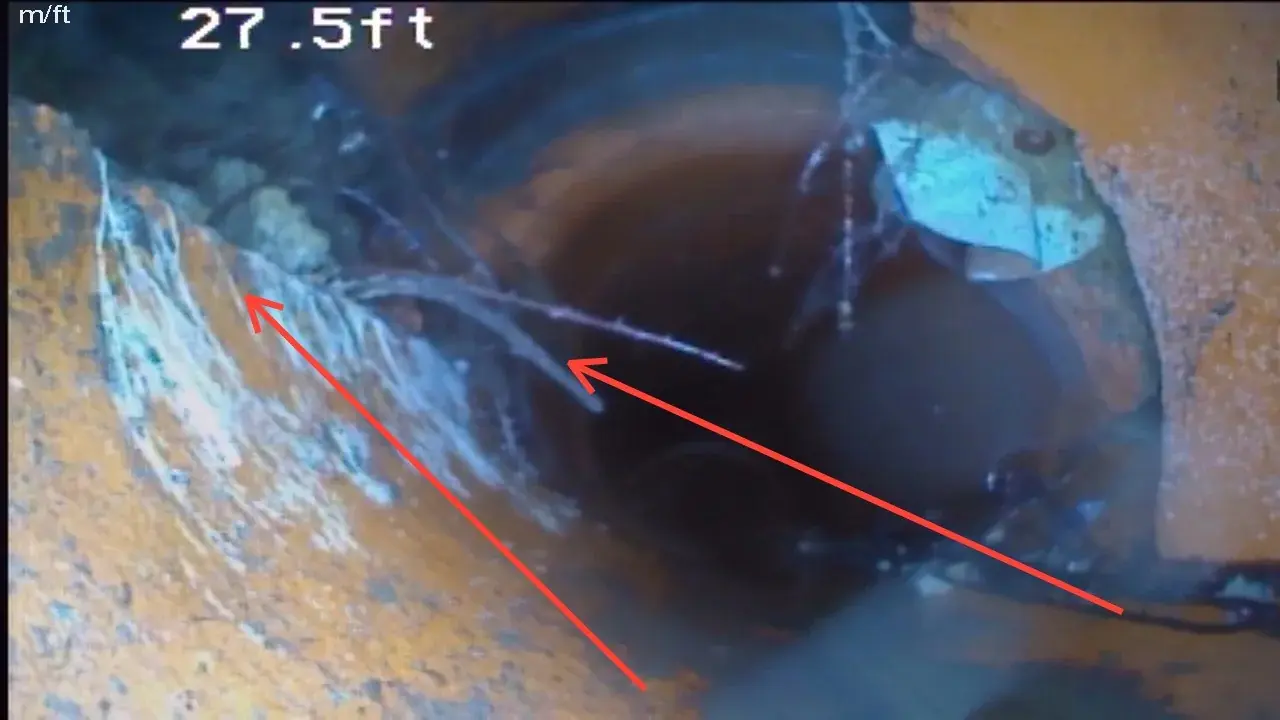
Fixtures do not reveal the buried line
What we found: A survey documented damaged piping and a collapsed-line concern affecting flow.
Next step: Obtain plumber evaluation and repairs, followed by the recommended re-survey.
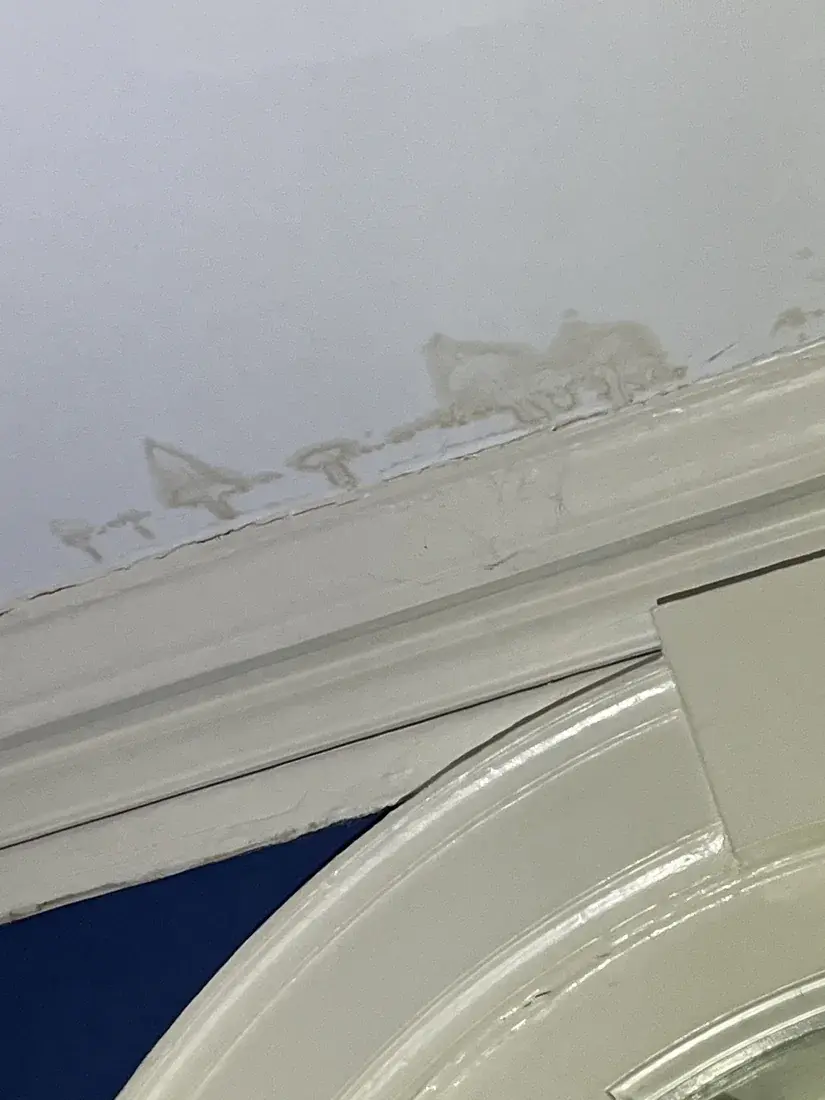
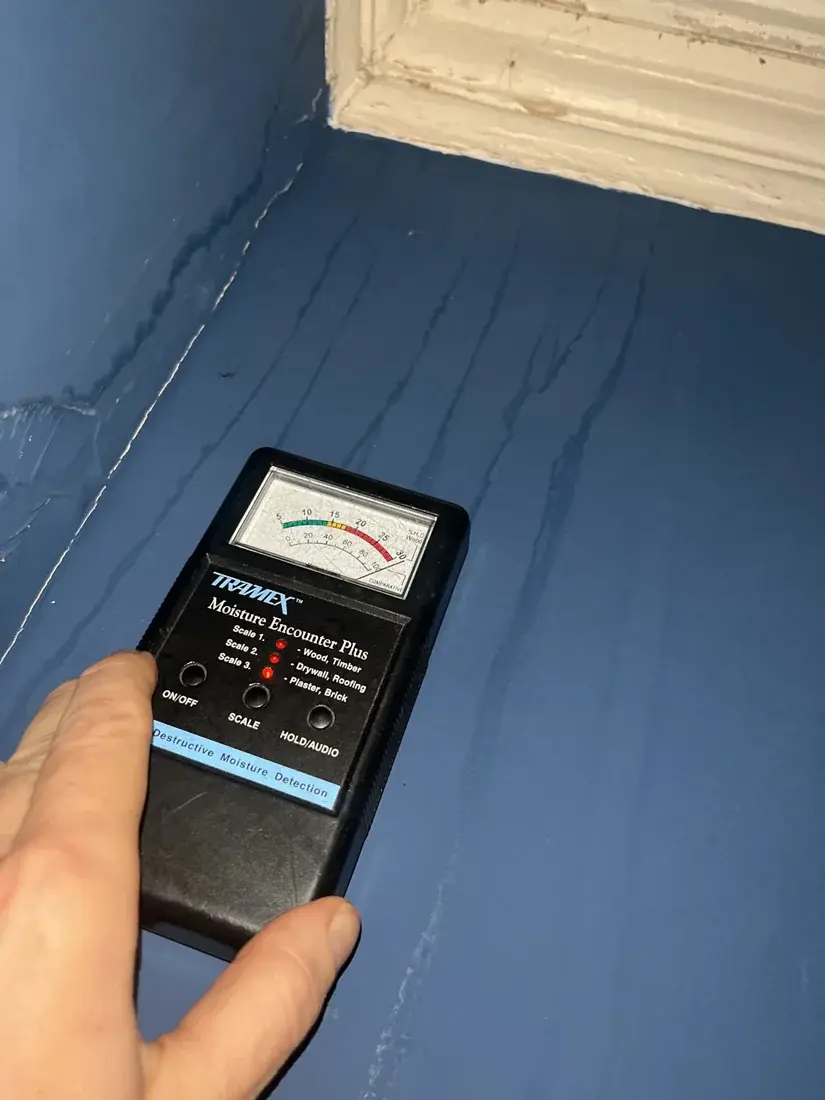
TWO PHOTOS, A CLEARER EXPLANATION
The inspector checked an area showing leakage evidence and documented dampness. Neither the visible stain nor the reading established the full condition of concealed materials.
Next step: Investigate the source, ask about previous leaks and repairs, and arrange the recommended correction or further evaluation.
A separate report documented basement staining without active leakage at the time. Dry conditions do not resolve questions about past water entry.
07 · READ FOR SIGNIFICANCE
A heating system that does not operate and a bathroom fan that runs noisily may both appear in the report. They call for different levels of attention.
Further evaluation is needed to determine the cause and necessary repairs.
Ask: What needs investigation?
If it otherwise operates and exhausts properly, cleaning, servicing or replacement may be a maintenance task.
Ask: What upkeep is recommended?The actual condition matters. A fan that does not exhaust properly may need more attention than minor operating noise.
Understand any recommendation for prompt correction or restricted use.
Obtain relevant evaluation and property-specific proposals.
Identify the specialist, access or testing needed to answer the question.
Plan the servicing and upkeep that come with ownership.
08 · FOLLOW UP ON LIMITATIONS
A blocked attic, a roof concealed by decking, inaccessible equipment or a sewer camera stopped by an obstruction can leave part of the property unevaluated.
In one Dunsing sewer survey, bends, blockage and rough piping prevented the camera from reaching the termination. The portion beyond its reach remained uninspected.
A partial view does not establish that the unseen portion is in good condition.
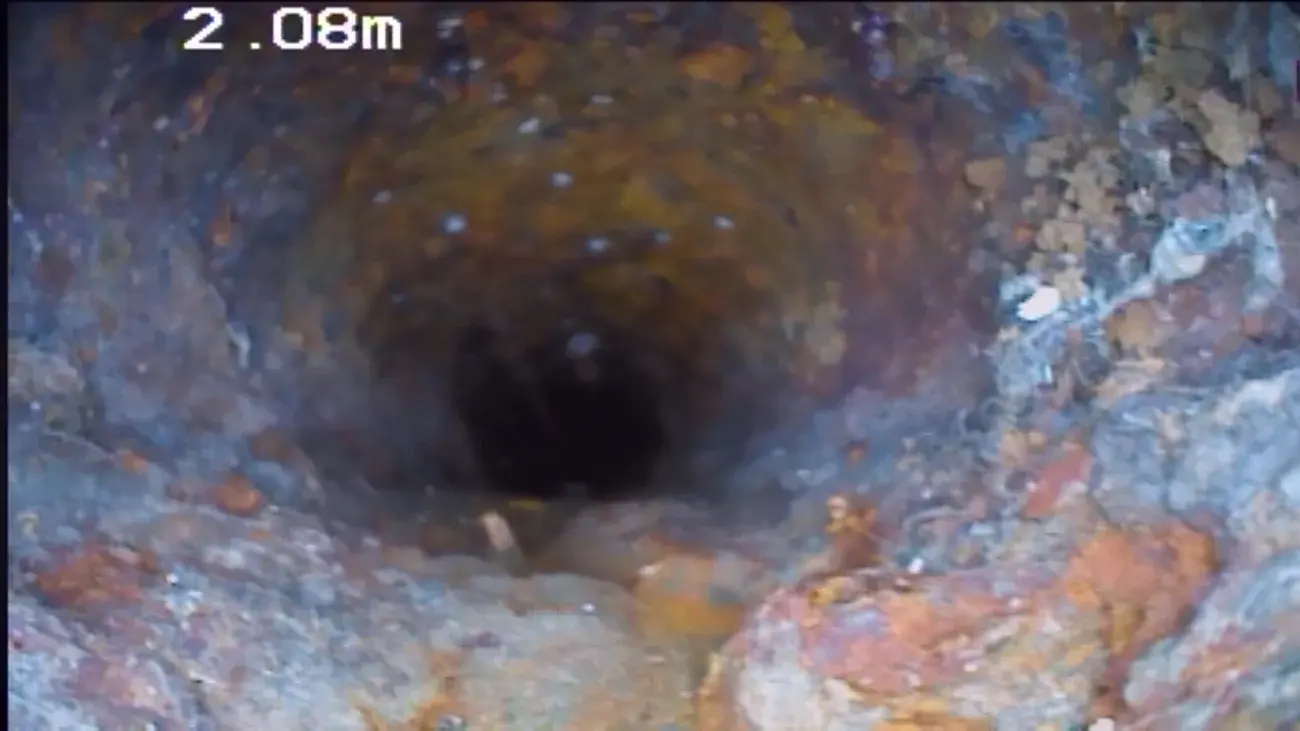
What could not be evaluated? Why? What access or specialist work is needed? What remains unknown without follow-up?
Illinois requires reports to identify designated components that were not inspected and explain why. The written report must be delivered within two business days after the completed inspection.
09 · TURN INFORMATION INTO ACTION
Ask the inspector to explain findings you do not understand.
Arrange recommended specialist visits or additional testing.
Obtain relevant proposals addressing the actual property.
Your agent and attorney advise on deadlines, contractual rights and negotiations.
Keep reports, proposals, invoices and available repair records together. If work is completed, ask whether documentation, testing or reinspection is appropriate. Know which questions have been answered and which remain open.
10 · PREPARE FOR OWNERSHIP
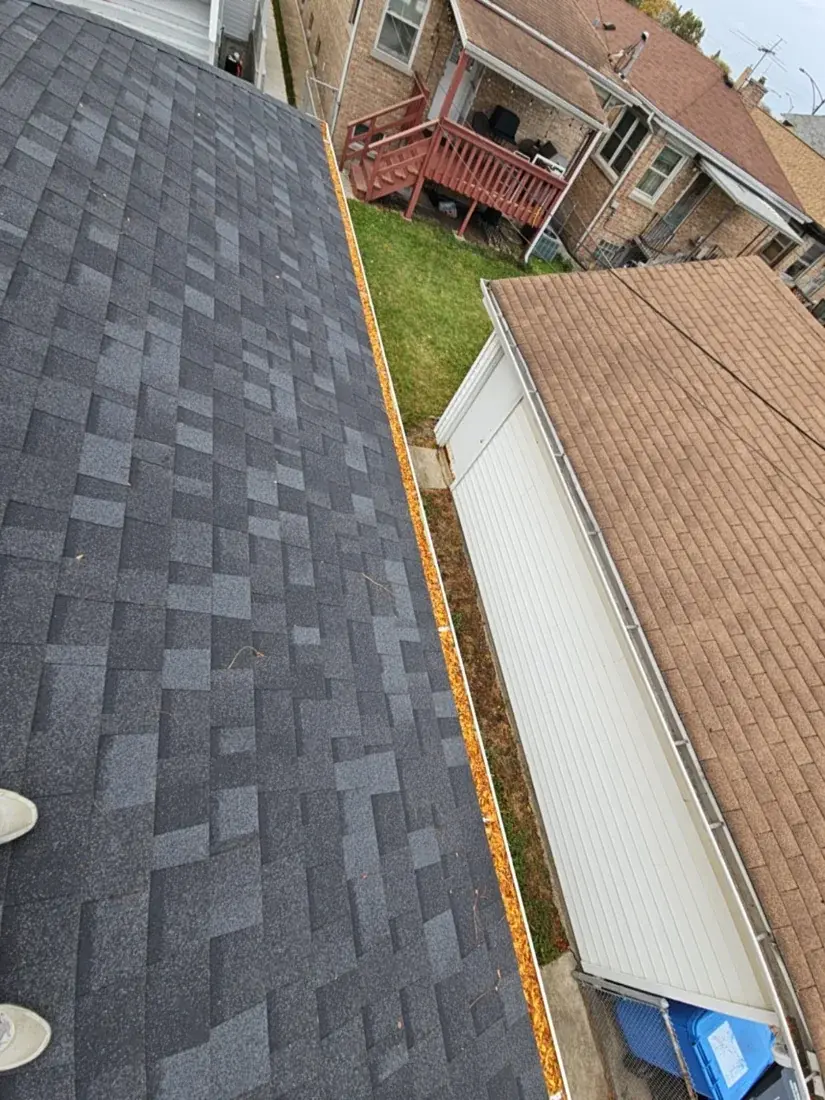
One report documented clogged gutters and recommended cleaning. A useful report helps you plan routine responsibilities alongside more significant concerns.
TAKE THIS WITH YOU

Two pages. Four stages. Space for your questions and follow-up.
Print opens the checklist PDF in a new tab. Use its print icon or your browser’s Print command. The article, navigation, video and photos are not included.
01
02
03
04
COMMON BUYER QUESTIONS
A typical inspection documents conditions and recommendations rather than assigning a universal pass or fail. Buyers use that information, specialist advice and their transaction requirements to make decisions.
Attendance can help you understand findings and ask questions. Confirm the best time to participate. If you cannot attend, arrange a discussion after reading the report.
Dunsing typically plans for home inspections to take three hours or less. For larger or older homes, we can assign multiple licensed inspectors so you benefit from a thorough inspection without spending the entire day at the property. Some conditions or access limitations may require additional time.
We evaluate accessible condition and operate equipment using normal controls. Readily accessible service panels may be removed where safe and appropriate. Dismantling equipment to expose concealed components is beyond a normal inspection.
We may evaluate exposed roofing, but decking can conceal the membrane, flashing and connections. We document limitations and recommend follow-up where appropriate. Removing the deck is outside the normal scope.
Yes. Updated finishes may coexist with older systems, and renovation work varies in quality and extent. An inspection evaluates accessible conditions and identifies questions about what was changed.
The report describes conditions and recommendations. It does not establish the seller’s contractual obligations. Discuss repair requests and other options with your agent and attorney.
LET’S TALK ABOUT YOUR HOME
Dunsing provides residential home inspections throughout Chicago, the North Shore and surrounding Chicagoland communities. Tell us about the home, your timeline and any concerns.