
Email | Office@dunsing.com - Phone | (847) 367-0782

Skip to main content
 

Radon Testing

Professional Radon Testing Throughout Chicagoland

Dunsing provides professional radon testing for home buyers, sellers and homeowners throughout Chicago and the surrounding suburbs. Because radon is colorless, odorless and invisible, professional testing is the only way to know the radon level in a home and determine whether additional action may be needed.

 
Understanding Radon
 

What Is Radon and Why Does It Matter?

Radon is a naturally occurring radioactive gas that forms from the breakdown of uranium in soil, rock and water. It can enter a home through cracks and openings in the foundation and accumulate indoors without any visible warning signs, making testing the only way to know the radon level in a home.

◌
Radon Is Invisible
Radon is colorless, odorless and tasteless, so it cannot be detected without testing.
!
A Serious Health Risk
Long-term exposure to elevated radon levels increases the risk of lung cancer.
⌂
Any Home Can Be Affected
Older homes, new construction, homes with basements and homes without basements can all have elevated radon.
✓
Testing Provides the Answer
Radon levels can vary significantly from one property to another, even between neighboring homes.
 
Understanding Your Results
 

What Do Radon Levels Mean?

Radon is measured in picocuries per liter of air (pCi/L). The U.S. Environmental Protection Agency recommends taking action to reduce radon when a home tests at 4.0 pCi/L or higher and considering mitigation when levels are between 2.0 and 4.0 pCi/L.

Below 2.0 pCi/L
Lower Radon Level
This is below the range where the EPA recommends considering mitigation. However, the EPA states there is no known safe level of radon exposure.
2.0 to 3.9 pCi/L
Consider Mitigation
The EPA recommends considering steps to reduce radon when levels fall between 2.0 and 4.0 pCi/L.
4.0 pCi/L or Higher
EPA Action Level
The EPA recommends that homes testing at 4.0 pCi/L or higher be fixed to reduce indoor radon levels.
Every Home Is Different
Testing Matters
Radon potential varies from one property to another. The EPA cautions that radon zone maps cannot determine the level in an individual home, which is why testing the property itself matters.
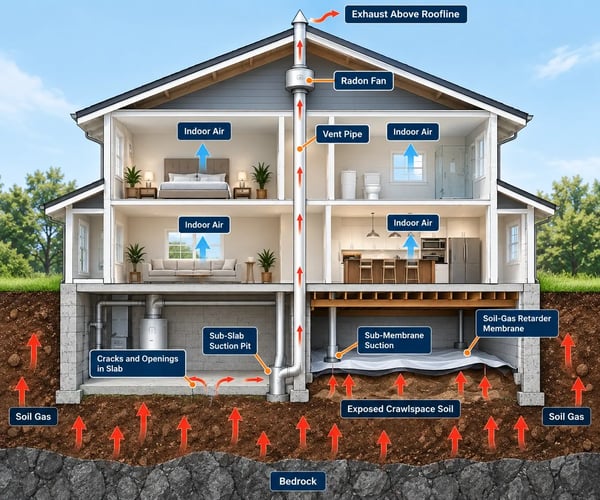
Diagram of a radon mitigation system drawing soil gas from beneath a home and venting it outside
 
Radon Mitigation
 

How Is Radon Mitigated?

When elevated radon levels are found, an Illinois-licensed radon mitigation professional can install a system designed to reduce the amount of radon entering the home. Most systems work by creating lower air pressure beneath the foundation or beneath a crawlspace membrane, drawing radon-containing soil gas into dedicated piping before it can enter the living space.

1
Radon Is Collected Beneath the Home
In homes with concrete slabs, sub-slab depressurization can be used to draw soil gas from beneath the foundation. In crawlspaces, a sealed soil-gas retarder membrane can be installed over exposed soil with suction applied beneath the membrane.
2
A Fan Draws Soil Gas Into the Vent System
An active radon mitigation system uses a fan to maintain lower pressure beneath the slab or membrane. This helps direct radon-containing soil gas toward the collection area and into the vent piping rather than allowing it to migrate into the home.
3
Radon Is Vented Safely Outside
The collected soil gas is routed through dedicated vent piping and discharged outside the home. After installation, follow-up radon testing is used to determine whether indoor radon levels have been successfully reduced.
The right system depends on the property.
Foundation type, crawlspaces, additions, finished areas and the location of existing building systems can all affect how a radon mitigation system is designed and installed.
Learn More About Radon Mitigation  →
 
How Radon Testing Is Set Up
 

Professional Radon Testing Designed for Your Home

Radon testing is not always a one-device-fits-all process. The number and placement of measurement devices depends on the home's foundation types, layout and lowest areas suitable for occupancy. Testing is performed according to Illinois radon measurement requirements governing device placement, test duration and closed-building conditions.

1
How Many Monitors Are Needed?
The number of measurement devices depends on the home's foundation configuration and lowest structural areas suitable for occupancy. Illinois guidance calls for testing in each applicable lowest structural area, so a home with a basement, slab-on-grade area or room over a crawlspace may require measurements in more than one location.
2
Where Are Monitors Placed?
Devices are placed in regularly occupied rooms in the lowest appropriate area of the home. Illinois placement requirements establish distances from exterior doors, windows, ventilation ducts, exterior walls, the floor and other conditions that could affect the measurement.
3
Basement, Crawlspace or Main Level?
Testing is performed in each lowest structural area suitable for occupancy. For example, Illinois testing guidance specifically identifies basements, rooms over crawlspaces and slab-on-grade rooms when those foundation types are present.
4
How Long Does Testing Take?
Under Illinois radon measurement rules, short-term measurements run for a minimum of 48 hours. Closed-building conditions are required, including keeping windows closed and limiting exterior-door use to normal entry and exit while the test is underway.
Why placement matters: Radon levels can differ between foundation areas within the same home. Proper device placement helps ensure the test reflects the lowest areas where people may actually spend time.
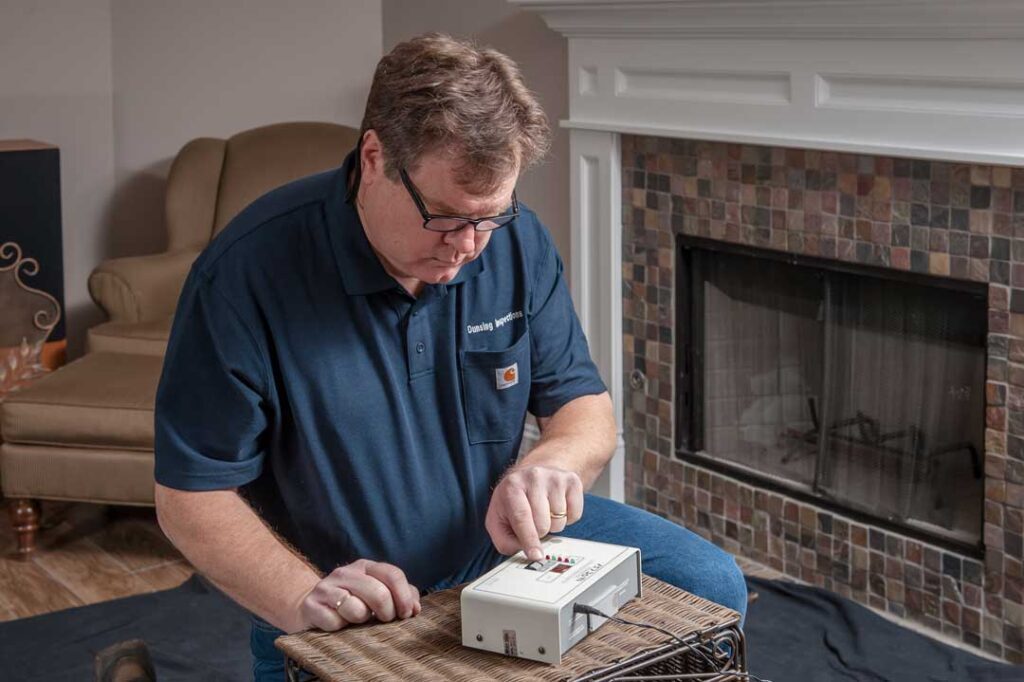
Radon testing in a residential home
 
Radon Mitigation Costs
 

How Much Does Radon Mitigation Cost in Chicagoland?

Radon mitigation costs vary based on the home and the type of system required. Many residential systems in the Chicagoland area may fall roughly in the $1,200 to $3,000+ range, while more complex installations can cost more. The U.S. EPA notes that mitigation costs vary based on the size and design of the home and the reduction method required. A licensed radon mitigation professional should evaluate the property and provide a site-specific quote.

1
Foundation Type
A basement, slab-on-grade foundation, crawlspace or combination of foundation types can affect how the mitigation system must be designed. The EPA's Consumer's Guide to Radon Reduction explains that different foundation designs may require different or combined radon reduction techniques.
2
Number of Suction Areas
Homes with multiple foundation sections or areas that do not communicate beneath the slab may require additional suction points or collection areas.
3
System Routing
The location of the vent piping, radon fan and exterior discharge point can affect the amount of labor, piping and installation work required.
4
Crawlspaces & Finished Areas
Crawlspace membranes, finished basements, additions and difficult-to-access areas can add materials, labor and complexity to the installation.
i
Dunsing provides radon testing, not radon mitigation.
Our role is to provide independent radon testing and help you understand the results. If mitigation is recommended, the system should be evaluated and installed by an Illinois-licensed radon mitigation professional. Actual pricing will depend on the property and the system required.
 
Our Radon Testing Process
 

A Straightforward Process From Start to Finish

Dunsing coordinates the testing process from placement through reporting, using professional radon measurement equipment and established testing protocols to help provide reliable results.

1
Schedule Your Test
Choose a testing time that works with your inspection, real estate transaction or homeowner schedule.
2
We Set Up the Equipment
Professional radon measurement equipment is placed in the appropriate testing location or locations based on the home's layout and foundation configuration. Illinois also establishes quality-control requirements for professional radon measurement devices.
3
Testing Period
Under Illinois radon measurement requirements, short-term measurements run for a minimum of 48 hours. Required closed-building conditions must be maintained throughout the applicable testing period.
4
Results Are Reviewed
Once testing is complete, the measurement data is reviewed and evaluated so the home's radon level can be clearly reported.
5
Receive Your Radon Report
You receive clear test results showing the measured radon level, along with information to help you understand whether additional action should be considered.
During the test: Windows should remain closed and exterior doors should only be opened for normal entry and exit. Heating and cooling systems may generally operate normally, while equipment that brings significant amounts of outside air into the home can affect testing conditions. Illinois also restricts short-term radon measurements of less than 96 hours during severe storms or periods of sustained winds of 30 mph or more. Because licensed measurement professionals are required to monitor local weather forecasts, significant weather may occasionally require Dunsing to extend or adjust the testing period before final results can be reported.
 
Why Dunsing

Experience You Can Trust

For decades, Dunsing has provided residential and commercial inspections throughout Chicagoland. Our experienced inspectors combine local knowledge, ongoing training and detailed reporting to help buyers, sellers and homeowners better understand the properties they depend on.

✓
Licensed home inspectors
✓
Decades of residential and commercial inspection experience
✓
Detailed, easy-to-understand inspection reports
✓
Responsive, knowledgeable inspection team
✓
Trusted by homeowners, buyers and real estate professionals
Loading Google reviews…

Frequently Asked Questions

How much does radon testing cost?

When radon testing is added to a Dunsing home inspection, the standard fee is $265. The final cost can vary if the property requires more than one testing unit because of multiple foundation types, separate lowest-level areas, or the size and layout of the home. 

How long does a radon test take?

In Illinois, a short-term radon measurement must run for at least 48 hours. Continuous radon monitors record measurements throughout the testing period so the results can be evaluated after the required measurement interval is complete. 

Do you test the basement and the main level?

Sometimes. The correct testing locations depend on the home's foundation types and lowest areas suitable for occupancy. A single-foundation home may require one testing location, while homes with basements, crawlspaces, slab additions, or other distinct foundation areas may require multiple testing locations.

How many radon monitors will my home need?

That depends on the home's layout and foundation configuration. Illinois requires measurements in each lowest structural area suitable for occupancy. For example, a home with a basement, slab-on-grade room, and room above a crawlspace may require testing in each of those areas. An additional test location is also required for each 2,000 square feet of the area being tested. 

Where are radon monitors placed in a home?

Radon monitors are placed in each lowest structural area of the home that is suitable for occupancy, such as a basement, a slab-on-grade room or a room above a crawlspace. Within that area, the monitor is set in a regularly used room, away from exterior doors, windows, exterior walls, heating and cooling vents, and areas with high heat or humidity such as kitchens, bathrooms and laundry rooms.

Illinois placement requirements also set minimum distances from the floor, walls and other features that could affect the reading, so the exact location is chosen on site based on the home's layout.

What do I need to do while a radon test is in progress?

For short-term testing, closed-building conditions are required. Windows should remain closed, exterior doors should only be opened for normal entry and exit, and the home's heating and cooling system should generally operate normally. For tests lasting less than 96 hours, these conditions must begin at least 12 hours before testing starts. 

What radon level is considered high?

The EPA recommends taking action to reduce radon when a home tests at 4.0 pCi/L or higher. Because there is no known completely safe level of radon exposure, the EPA also recommends considering mitigation when levels are between 2.0 and 4.0 pCi/L. 

What happens if my radon test comes back high?

An elevated result does not mean the home cannot be occupied or purchased. It means radon reduction should be considered. Radon mitigation systems are commonly used to draw radon-containing soil gas from beneath the home and vent it outside. In Illinois, radon mitigation professionals are licensed by the state. Dunsing performs radon testing, but we do not install mitigation systems. 

Do new construction homes need radon testing?

Yes. New construction does not guarantee low radon levels. Radon potential varies from property to property, and EPA guidance recommends testing individual homes rather than relying on geographic radon maps or assumptions about the age or construction of the property. 

How often should I retest my home for radon?

The EPA recommends considering a new test when a previous result is no longer recent, after renovations or alterations, or when living patterns change and a lower level of the home becomes occupied. Illinois guidance also recommends retesting after renovations or additions, and IDPH advises testing approximately every two years. 

Can a home with a radon mitigation system still be tested?

Yes. A home with an existing mitigation system should still be tested to verify the current radon level. Illinois measurement rules specify that an installed mitigation system should remain operating during the measurement period. 

Is radon common in Illinois?

Yes. Illinois has a significant radon problem. The Illinois Department of Public Health cites a state study in which 41% of homes tested had radon levels above 4.0 pCi/L, the EPA action level. Because radon levels can vary greatly from one home to another, testing is the only way to know the level in a specific property. 

 
Our Expert Inspection Services
 

Specialized Services for a Deeper Look

In addition to standard property inspections, we offer a range of specialized services to uncover potential issues, evaluate key systems, and provide greater peace of mind.

Radon Testing

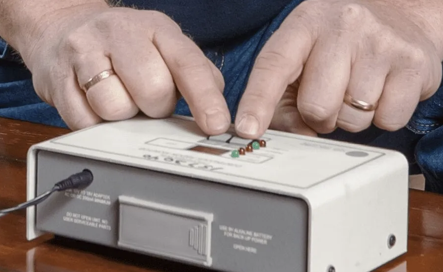
  • Radon is an invisible, odorless gas and the second leading cause of lung cancer. Our professional radon testing services deliver accurate results, giving you the information you need to protect your home and the people who matter most.

Sewer Surveys

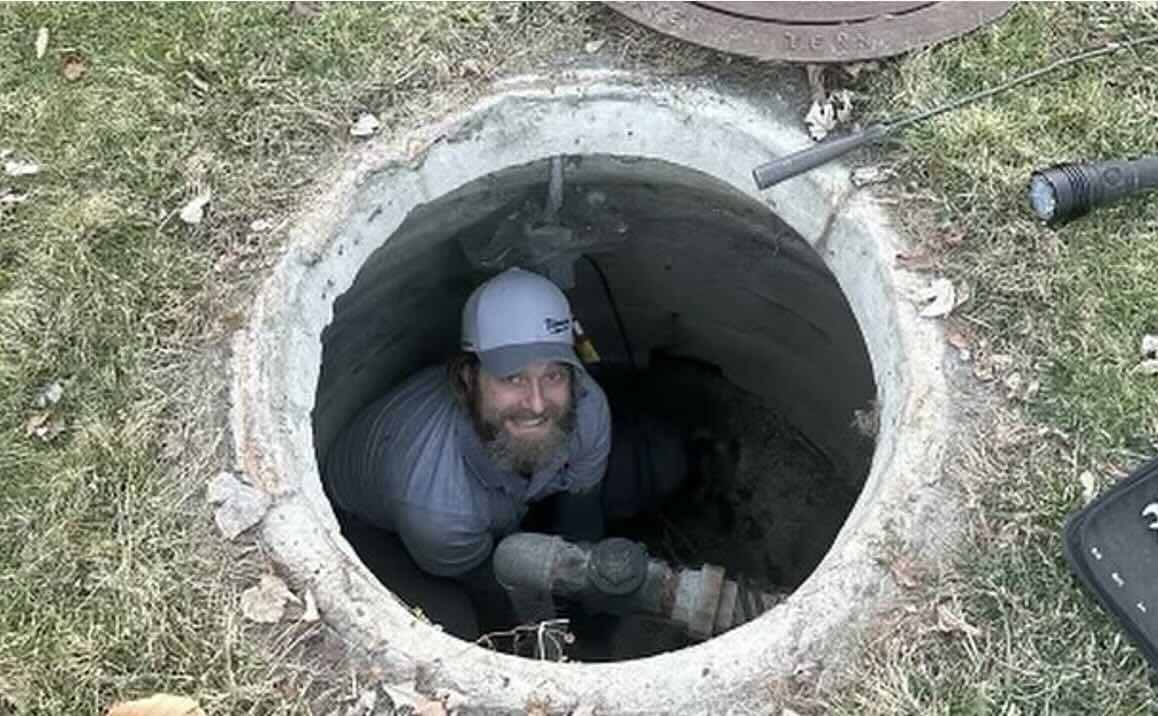
  • Sewer line problems are often hidden from view and impossible to detect without a camera inspection. Our professional sewer camera inspections provide accurate results to help protect your home, your investment, and your peace of mind.

Mold Testing

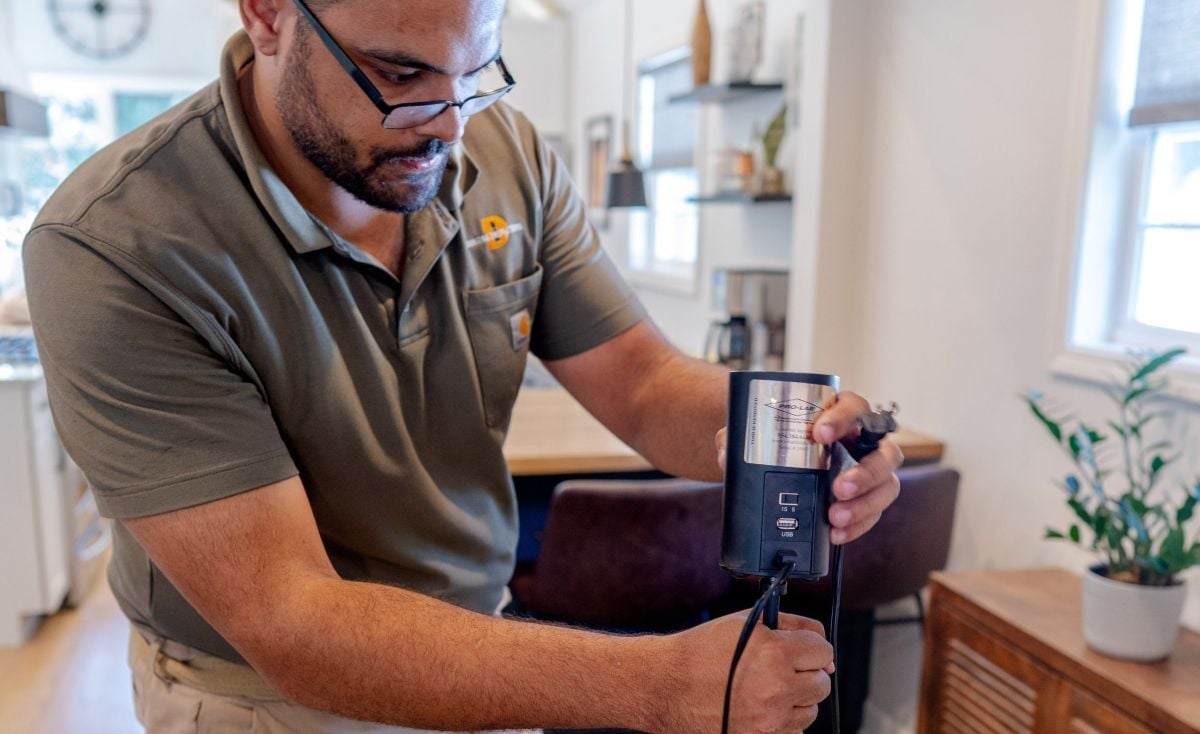
  • Mold can grow unnoticed behind walls and in hidden areas, impacting your home's air quality and your family's health. Our professional mold testing services provide accurate results to help protect your home and the people who matter most.

Chimney Scan

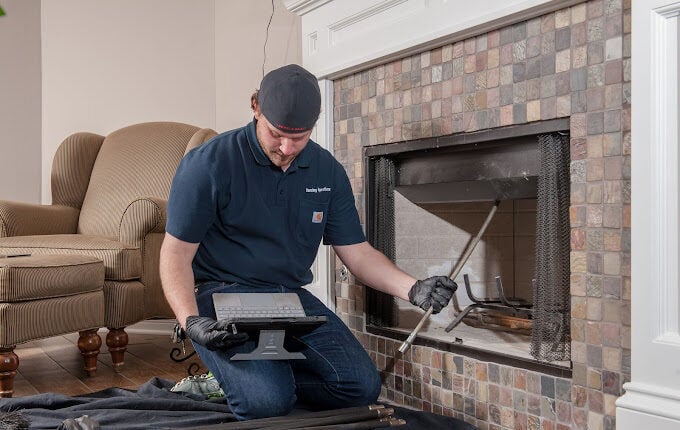
  • Hidden damage inside your chimney can increase the risk of dangerous house fires if left undetected. Our professional chimney scan services provide detailed results to help protect your home, your family, and your peace of mind.

Thermal Imaging

  • Hidden moisture, electrical hot spots, and missing insulation can lead to costly damage if left undetected. Our professional thermal imaging inspections provide detailed insights to help protect your home and your investment.

EIFS/Dryvit®

  • EIFS (synthetic stucco) can allow hidden moisture intrusion if not properly installed or maintained. Our professional EIFS inspections provide accurate results to help protect your home and prevent costly damage.

Meet Our Expert Inspectors


Get to know the experienced professionals behind every Dunsing inspection. Our licensed inspectors bring diverse backgrounds, extensive technical knowledge, and a shared commitment to providing thorough, dependable property inspections. Each member of our team is trained to clearly communicate their findings, answer your questions, and help you better understand your property. Meet our inspectors and discover the expertise, professionalism, and personal service that have helped build Dunsing’s trusted reputation.

Meet Our Expert Inspectors 


Get to know the experienced professionals behind every Dunsing inspection. Our licensed inspectors bring diverse backgrounds, extensive technical knowledge, and a shared commitment to providing thorough, dependable property inspections. Each member of our team is trained to clearly communicate their findings, answer your questions, and help you better understand your property. Meet our inspectors and discover the expertise, professionalism, and personal service that have helped build Dunsing’s trusted reputation.

Explore Our Latest Blog Posts

Explore Our Latest Blog Posts


Stay informed with practical tips, expert guidance, and helpful insights designed to protect your home and make homeownership easier. Explore our latest articles covering home inspections, maintenance, common concerns, and what homeowners and buyers should know.

Home Inspections Homebuyers & Homeowners Real Estate Agents
Your Inspector Found Some Issues. Now What?

Your Inspector Found Some Issues. Now What?

An inspection report can feel overwhelming. Learn how to prioritize findings, compare repair proposals, verify contractor credentials, and choose the right next steps before committing to work on

Read More

Jamie Dunsing Oct 5, 2026
Home Inspections Commercial Inspections Homebuyers & Homeowners
Insurance Inspections

Insurance Inspections

Your insurer may request a property inspection even after you have purchased a home. Learn what insurance inspections can cover, why they are requested, and how to prepare for the process.

Read More
Jamie Dunsing Oct 5, 2026
Home Inspections Homebuyers & Homeowners Real Estate Agents
Does a home buyer really need a Mold Inspection?

Does a home buyer really need a Mold Inspection?

Mold concerns often start with moisture or visible warning signs. Explore how a home inspection, specialized mold evaluation, and third-party testing can help you understand what needs further

Read More

Jamie Dunsing Oct 5, 2026
Home Inspections Homebuyers & Homeowners Real Estate Agents
Realtor Reforms: What Home Buyers Can Expect After the NAR Settlement

Realtor Reforms: What Home Buyers Can Expect

Changes following the 2024 NAR settlement raised new questions for buyers and real estate professionals. Jamie shares his perspective on buyer representation, compensation, and the potential impact

Read More

Jamie Dunsing Oct 5, 2026
Home Inspections Homebuyers & Homeowners Real Estate Agents
Uh-Oh, Honey, I think we just bought a house!

Uh-Oh, Honey, I think we just bought a house!

The final walkthrough deserves as much attention as the earlier steps in your purchase. Use our pre-closing checklist to review repairs, test systems, and spot changes before taking ownership.

Read More
Jamie Dunsing Oct 5, 2026
Home Inspections Commercial Inspections Homebuyers & Homeowners Real Estate Agents
Does your house suck? (Water, that is!)

Does your house suck? (Water, that is!)

Split-faced block can allow water into a building when construction details and maintenance fall short. Learn what to look for and why moisture concerns may call for a specialized evaluation.

Read More


Jamie Dunsing Oct 5, 2026