Email | Office@dunsing.com - Phone | (847) 367-0782

Skip to main content
 

Sewer Scope / Sewer Survey Services

Professional Sewer Scope Inspections Throughout Chicagoland

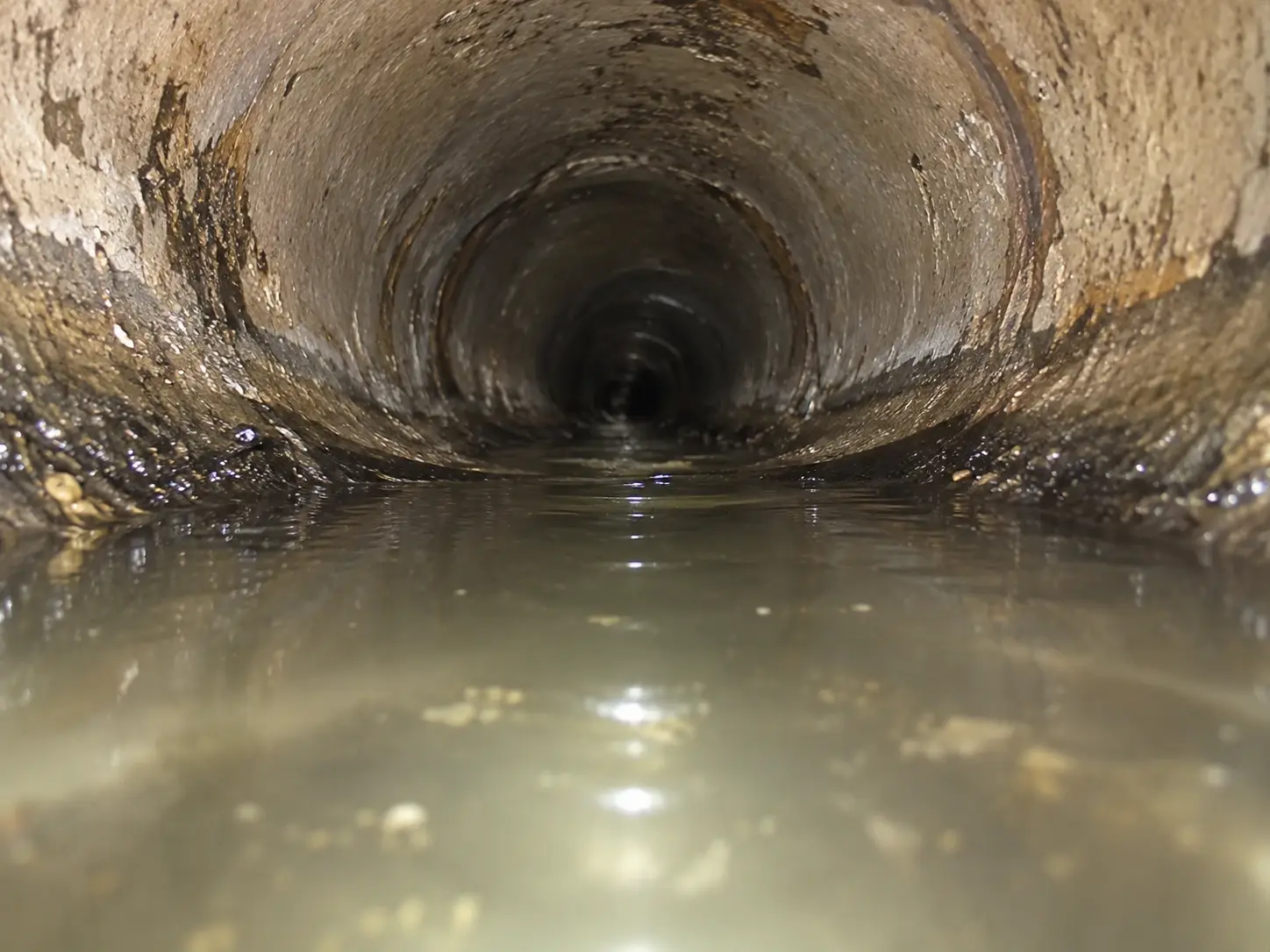
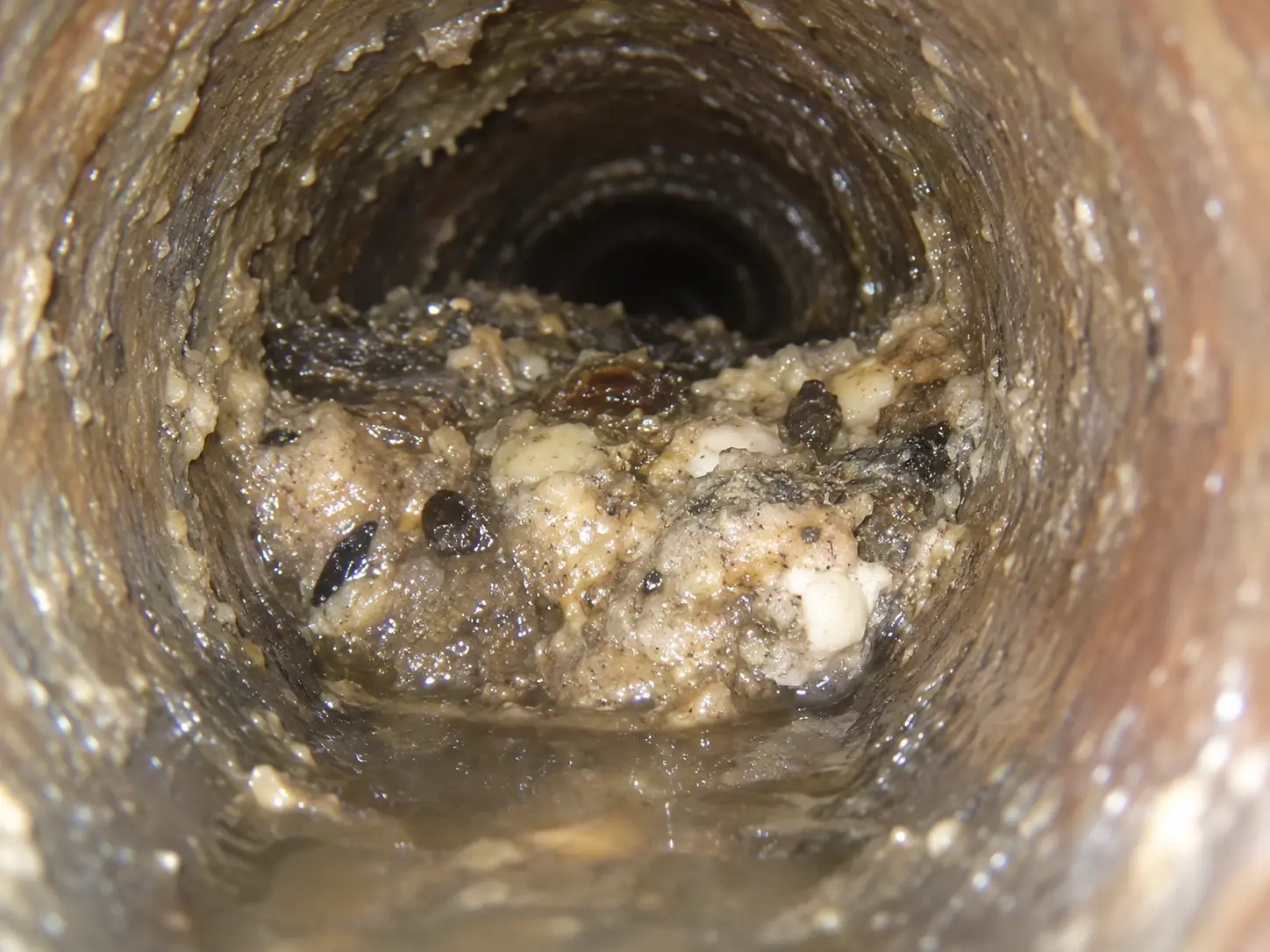
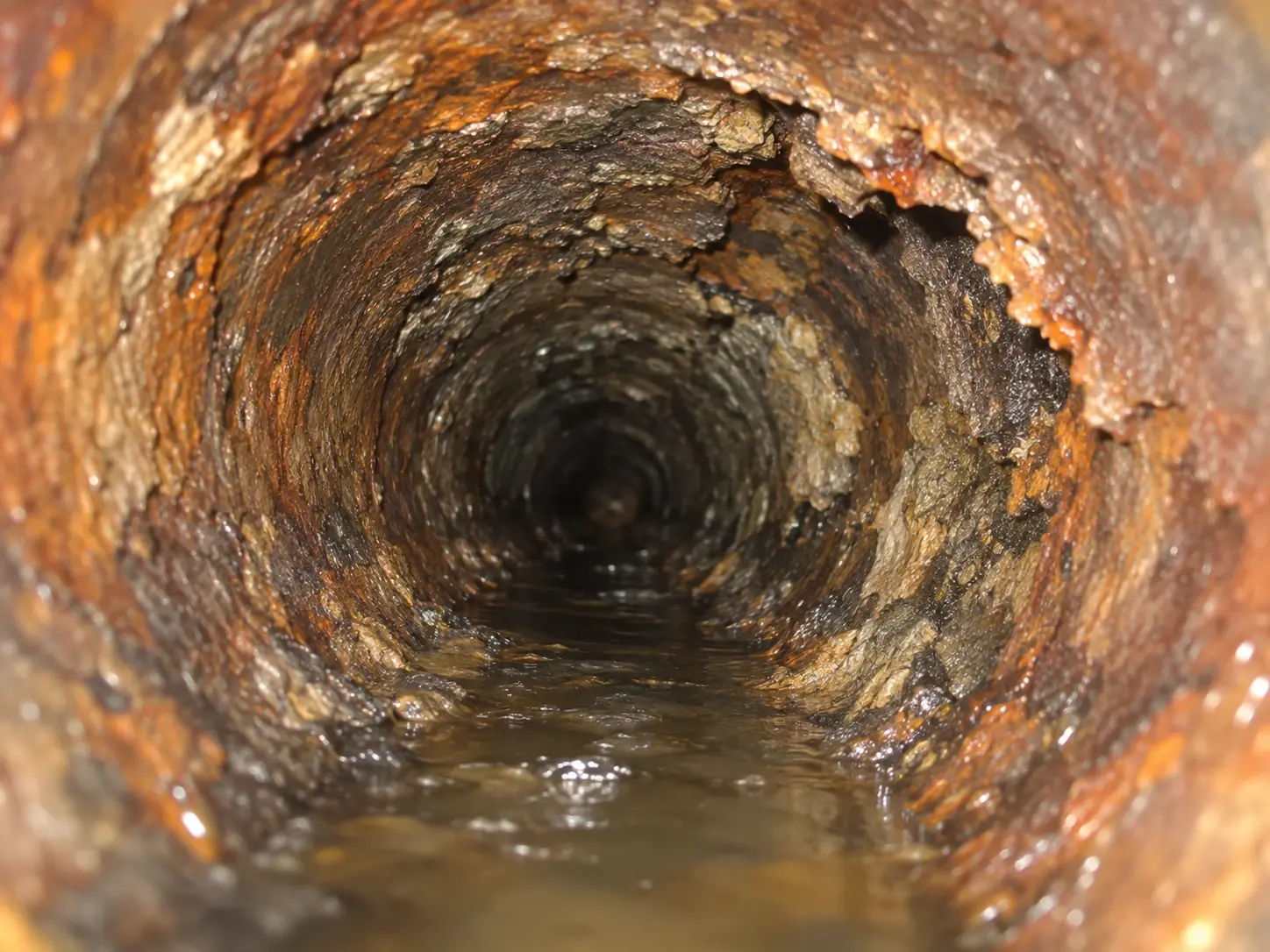
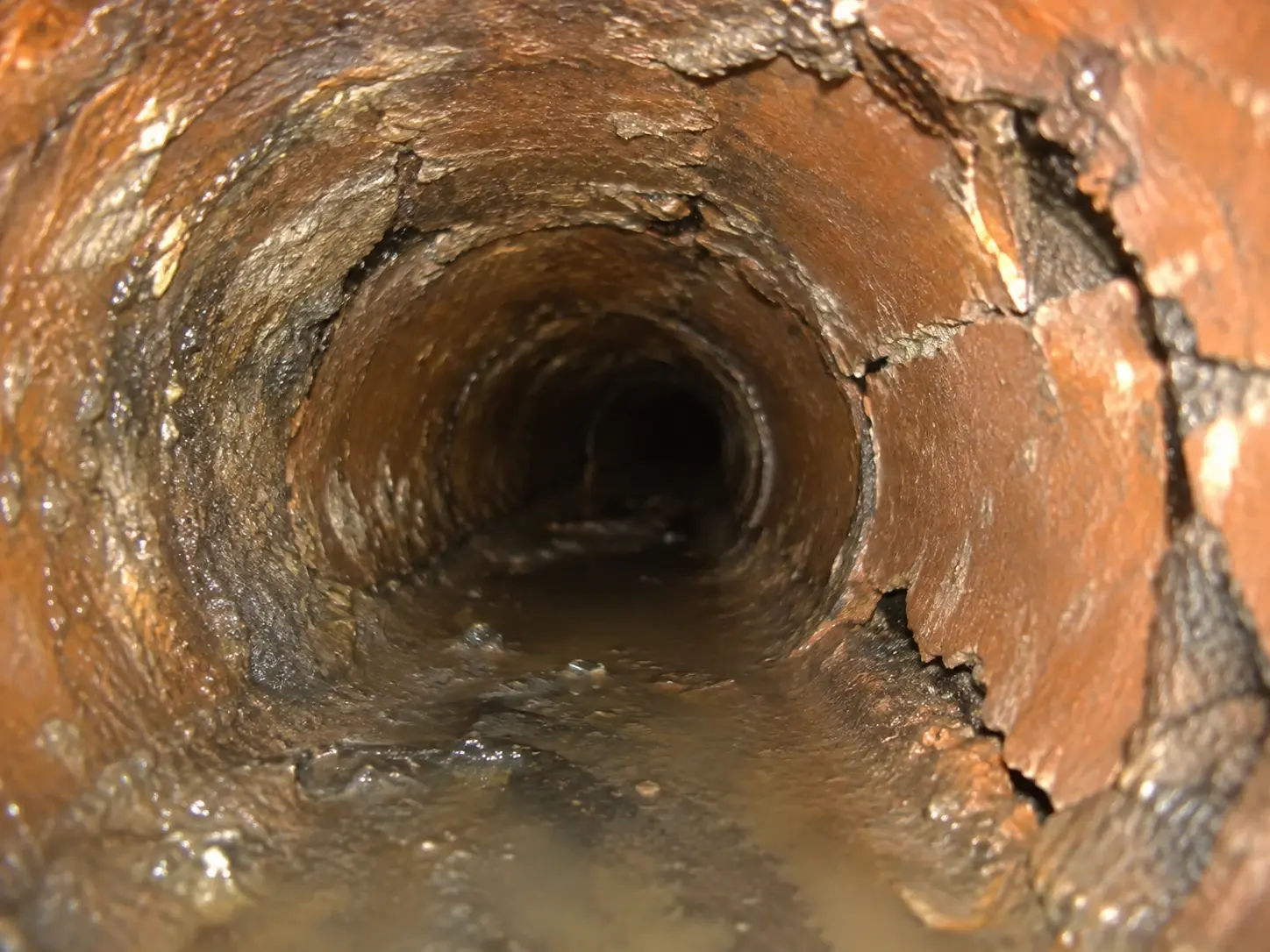
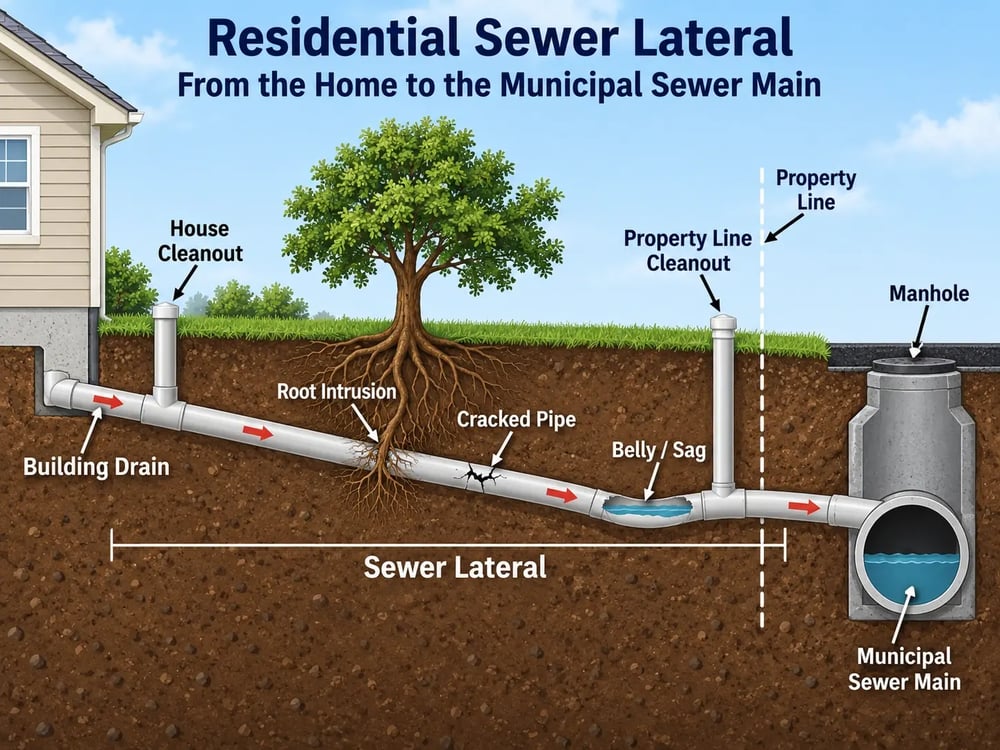
Dunsing provides professional sewer scope inspections, also commonly referred to as sewer surveys or sewer line camera inspections, for home buyers, sellers and property owners throughout Chicago and the surrounding suburbs. Using specialized camera equipment, we inspect the main sewer lateral for hidden conditions such as tree root intrusion, cracks, damaged or offset joints, blockages, standing water and deteriorated pipe materials.

 
Understanding Sewer Scopes
 

What Is a Sewer Scope Inspection?

A sewer scope inspection, sometimes referred to as a sewer survey or sewer line camera inspection, is a visual evaluation of the main sewer lateral that carries wastewater away from the property. A specialized camera is inserted through an accessible cleanout and advanced through the line to help identify defects and conditions that cannot be seen during a standard home inspection.

1
Non-Invasive Camera Inspection
A specialized camera is inserted through an accessible cleanout to visually examine the inside of the main sewer lateral.
2
Helps Identify Hidden Defects
The camera can reveal conditions such as tree root intrusion, cracks, offset joints, standing water, blockages and deteriorated pipe materials.
3
Especially Valuable Before Purchase
Sewer defects are underground and usually invisible during a standard property inspection, making a scope especially useful before buying a home or commercial property.
4
Video and Written Findings
Dunsing provides written findings and, when available, video of the sewer line so you can better understand the conditions identified during the inspection.
 
Why Sewer Scopes Matter

A Hidden Sewer Problem Can Become a Major Expense

The main sewer lateral is buried underground, which means much of its condition cannot be evaluated during a standard home inspection. Cracks, root intrusion, deteriorated piping, displaced joints and other defects can remain hidden until they begin causing drainage problems or a sewage backup.

In a serious failure, sewage can back up into a home, causing property damage and creating potential public-health concerns. Finished basements, flooring, drywall, furnishings and other materials may all be affected, while repairing the sewer line itself can become a significant project. A sewer scope helps identify visible concerns before they become much larger surprises.
Sewage
Backups
Tree Root
Intrusion
Cracks &
Breaks
Offset
Joints
Bellies &
Standing Water
Aging Pipe
Materials
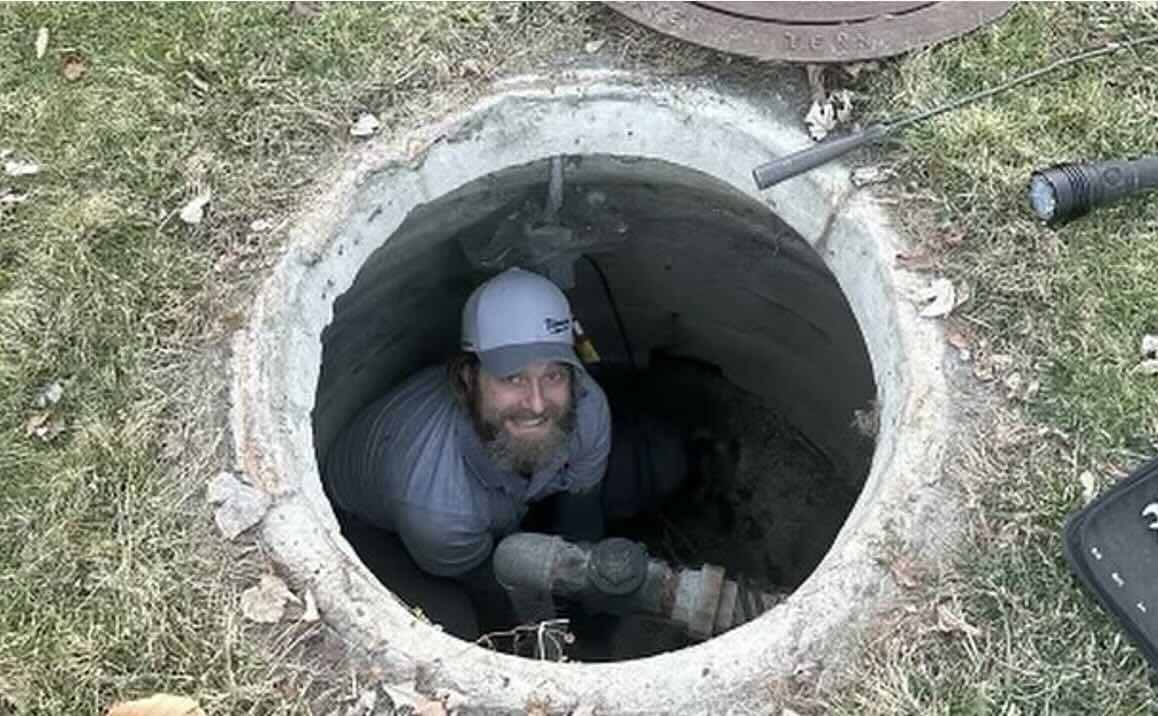
Dunsing sewer inspection technician accessing a residential sewer line
Find Problems Before They Become Expensive
✓
Identify visible sewer-line defects before closing
✓
Reduce the risk of unexpected sewer repair expenses
✓
Gain useful information for repair decisions or negotiations
✓
Better understand a major system hidden below the property
a residential sewer lateral diagram showing how water leaves the house
 
How a Sewer Scope Works
 

A Clear Look Inside the Main Sewer Line

A sewer scope inspection allows us to visually evaluate the interior of the property's main sewer lateral without excavation. Using specialized camera equipment, we access the line through an appropriate cleanout or, when conditions allow, through a toilet to help identify visible defects, obstructions and other conditions that may affect drainage or require further evaluation.

1
Access the Sewer Line
An accessible interior or exterior cleanout is typically the preferred entry point. When an appropriate cleanout is not available, Dunsing also has specialized camera equipment that may allow the sewer lateral to be accessed through a toilet when the plumbing configuration and conditions permit.
2
Advance the Camera Through the Line
A specialized sewer camera is advanced through the lateral while the technician views the interior of the pipe in real time. The amount of line that can be inspected depends on the available access and the conditions encountered during the scope.
3
Look for Visible Defects
4
Review the Findings
Any visible concerns are documented so you have a clearer understanding of the sewer lateral's observed condition and whether additional evaluation, cleaning or repair should be considered.
Not every sewer line can be fully scoped.
Dunsing can use multiple access methods depending on the property, but plumbing configuration, severe blockages, damaged piping, standing water, sharp turns and other conditions may still prevent the camera from reaching the entire sewer lateral.
 
What We Look For
 

Common Sewer Line Problems a Sewer Scope Can Reveal

A sewer camera inspection can reveal visible conditions that would otherwise remain hidden underground, including root intrusion, cracks, offset joints, standing water, blockages, corrosion and deteriorated pipe materials. These are among the types of defects identified in InterNACHI's Sewer Scope Inspection Standards of Practice.

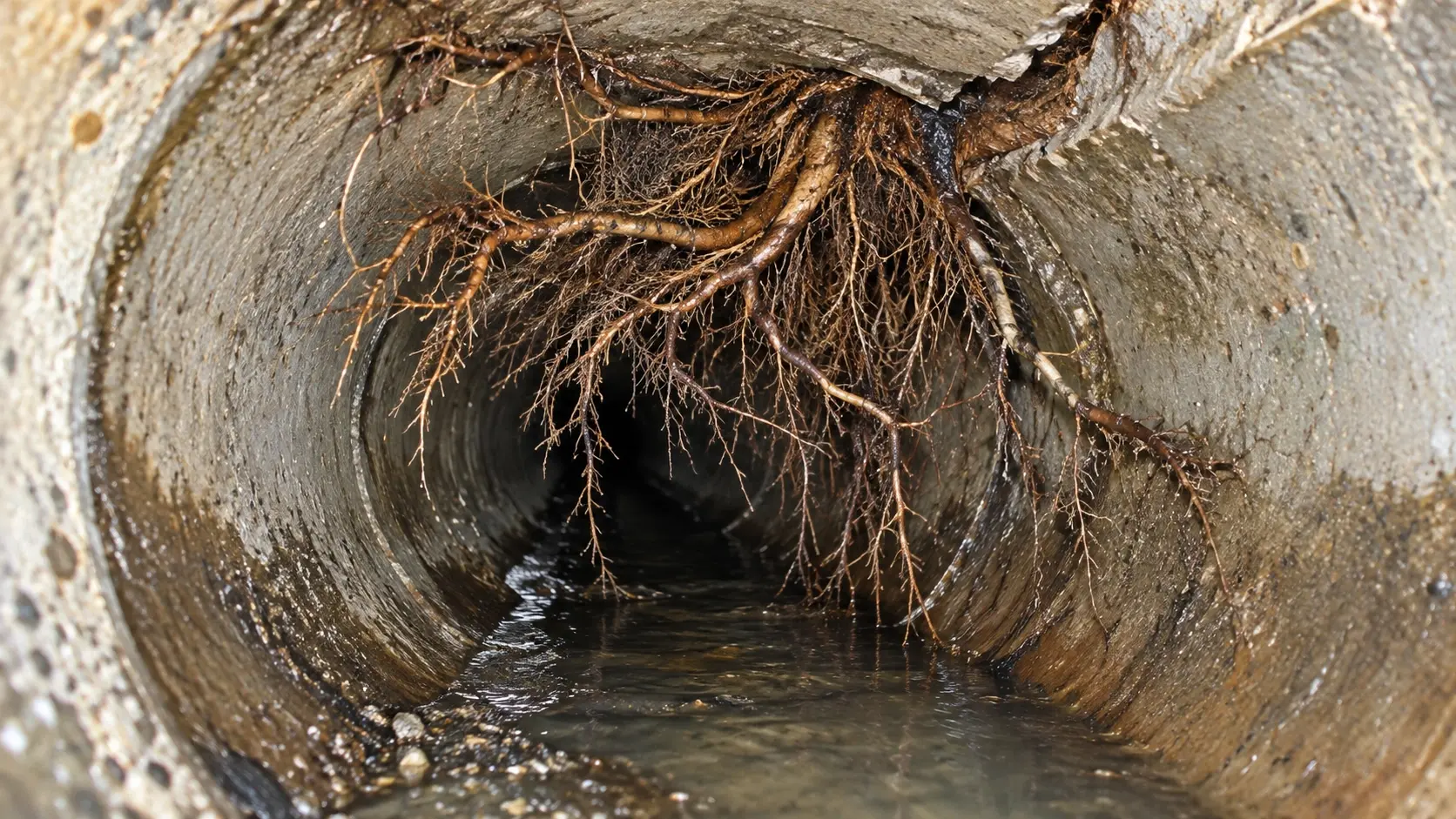
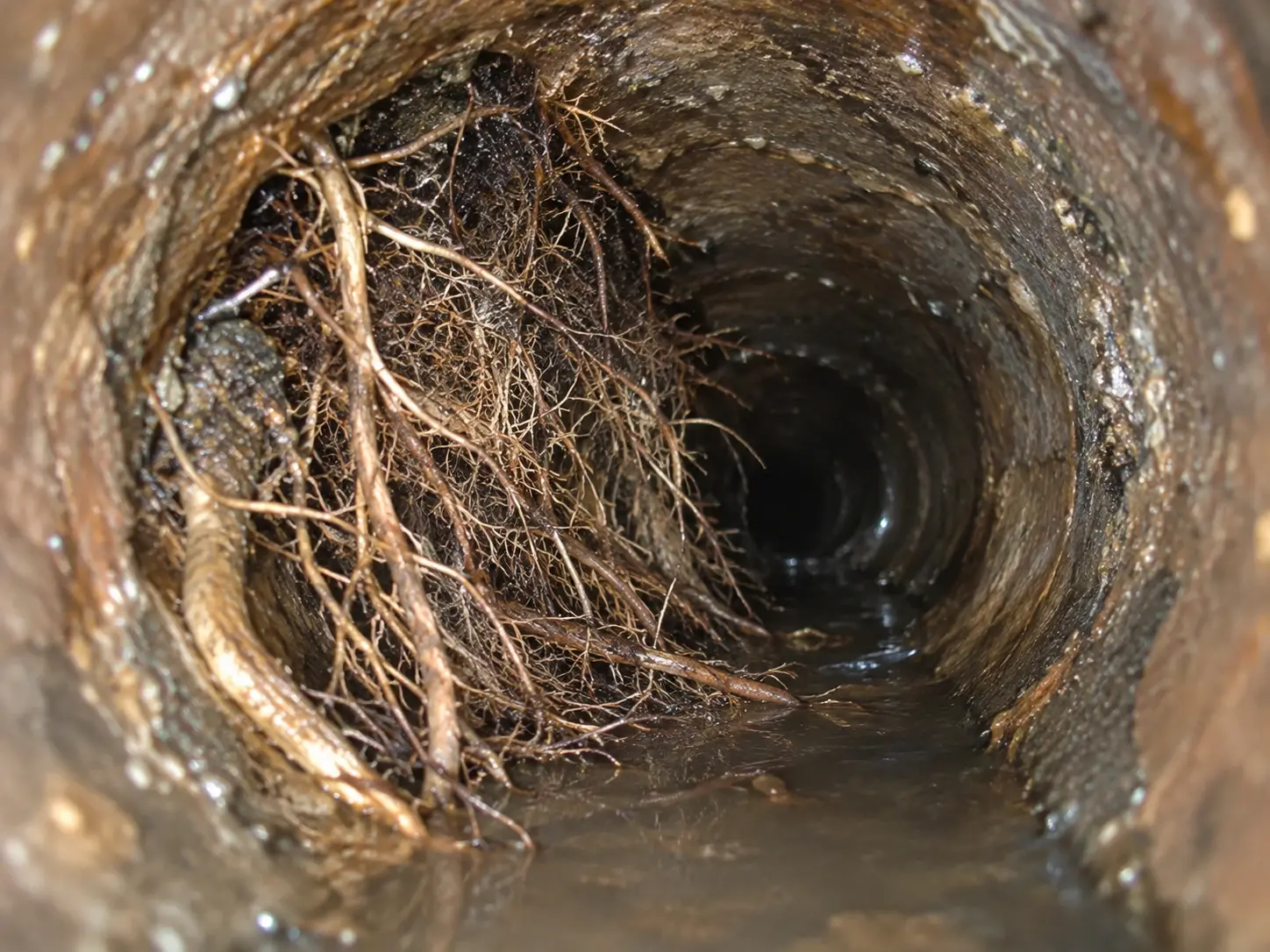
Sewer camera view showing tree root intrusion inside a residential sewer line
Tree Root Intrusion
Roots can enter through pipe joints, cracks and other defects, restricting flow and contributing to recurring blockages.
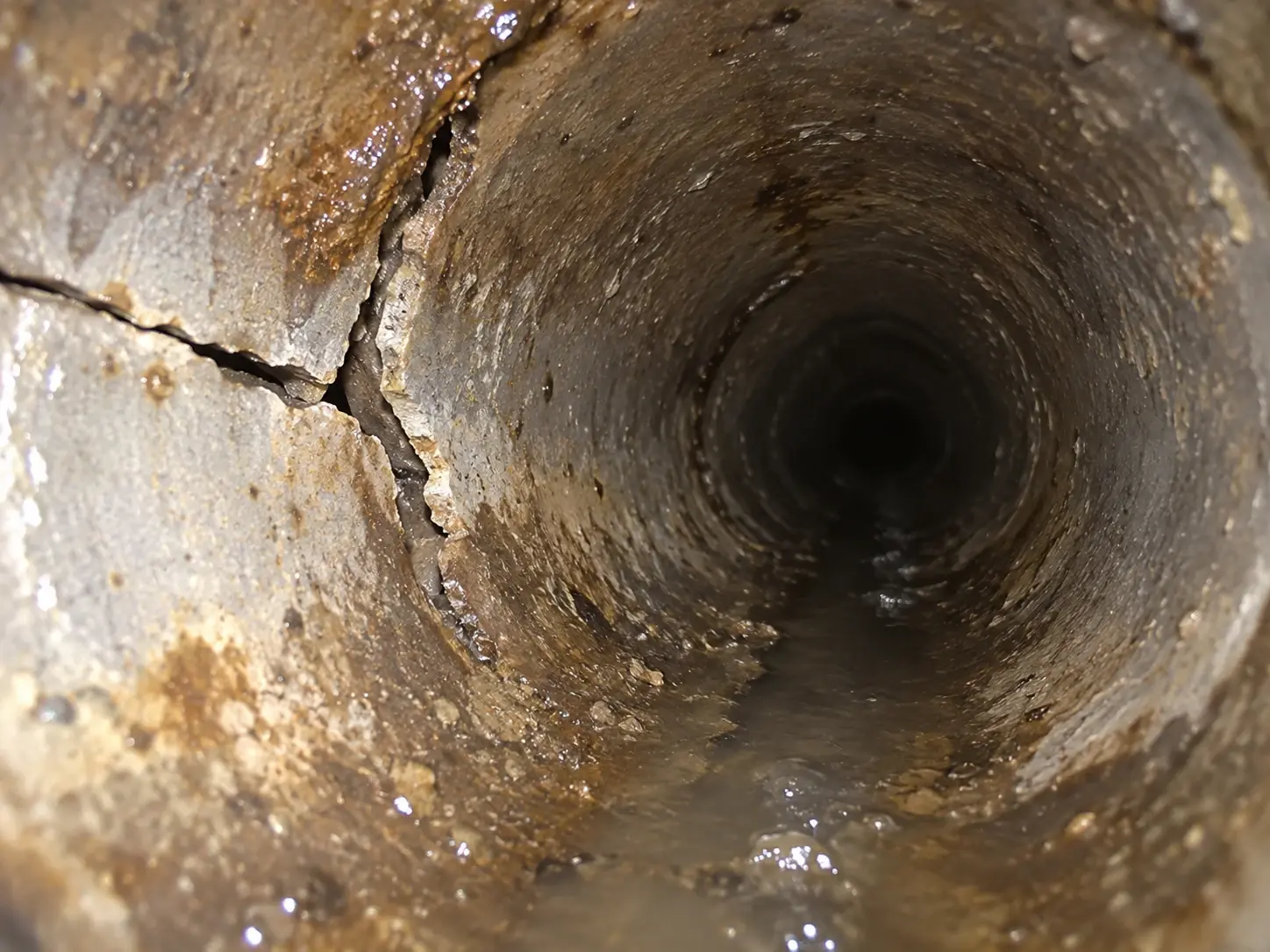
Sewer camera view showing cracks and fractures inside an older sewer pipe
Cracks & Fractures
Cracked or fractured piping can worsen over time and may allow water, soil or tree roots to enter the sewer line.
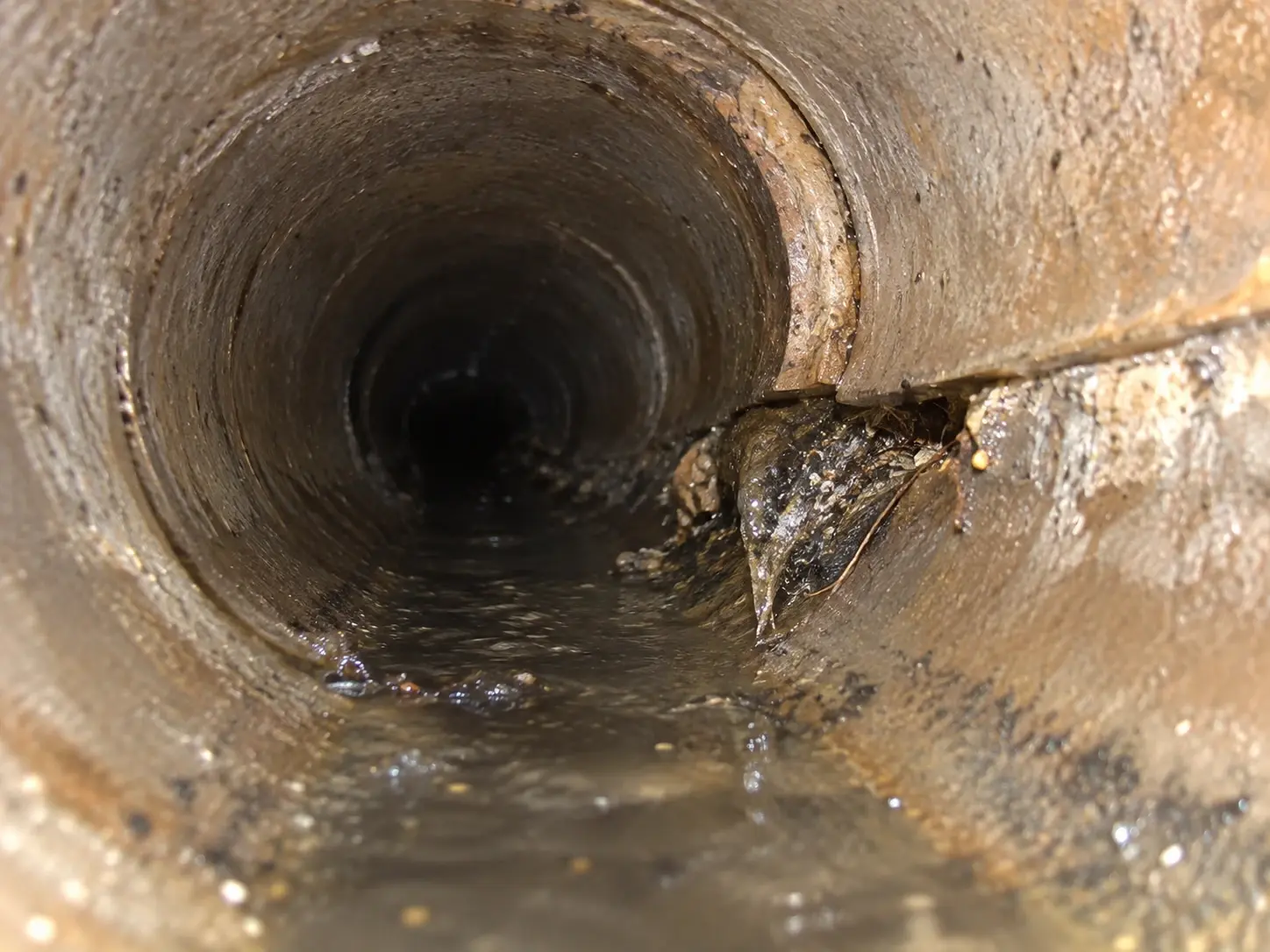
Sewer camera view showing an offset or misaligned joint in a residential sewer line
Offset Joints
Pipe sections can shift out of alignment, creating ledges or openings that may restrict flow, collect debris or allow root and soil intrusion.
Sewer camera view showing standing water associated with a possible belly or sag in the sewer line
Bellies / Sags
Persistent standing water can indicate a low area or sag in the sewer line where waste and solids may collect and interfere with proper drainage.
Sewer camera view showing grease debris and accumulated material blocking a sewer line
Blockages & Debris
Grease, sludge, foreign material and other debris can accumulate inside the pipe, restrict wastewater flow and increase the risk of a backup.
Sewer camera view showing corrosion and scaling inside an aging sewer pipe
Corrosion & Aging Pipes
Older metal piping can develop corrosion, rust and internal scaling that reduce the pipe opening and may weaken the sewer line over time.
Sewer camera view showing advanced deterioration of an older sewer pipe material
Deteriorated Pipe Materials
Aging sewer materials can deteriorate, deform, flake or lose structural integrity, potentially reducing flow and eventually requiring repair or replacement.
 
Our Sewer Scope Inspection Process
 

A Straightforward Process From Access to Report

Dunsing coordinates the sewer scope from locating an accessible cleanout through camera inspection, review of visible conditions and delivery of your findings.

1
Schedule Your Inspection
Choose a time that works with your home inspection, real estate transaction or property schedule.
2
Access the Sewer Line
We access the main sewer lateral through an appropriate cleanout or, when conditions allow, through a toilet using specialized sewer camera equipment.
3
Scope the Sewer Line
A specialized camera is advanced through the sewer lateral while the technician views the interior of the pipe in real time.
4
Review the Findings
Visible defects, restrictions and other notable conditions are reviewed and documented to help you understand the observed condition of the line.
5
Receive Your Findings
You receive written findings and, when available, video of the sewer line to help you understand any visible concerns identified during the inspection.
Sewer access varies by property: An accessible cleanout is typically the preferred entry point, but Dunsing also has specialized camera equipment that may allow the sewer lateral to be scoped through a toilet when appropriate. Plumbing configuration, access conditions, blockages and other limitations can still affect how much of the line can be inspected.
 
Sewer Access

What Access Is Needed?

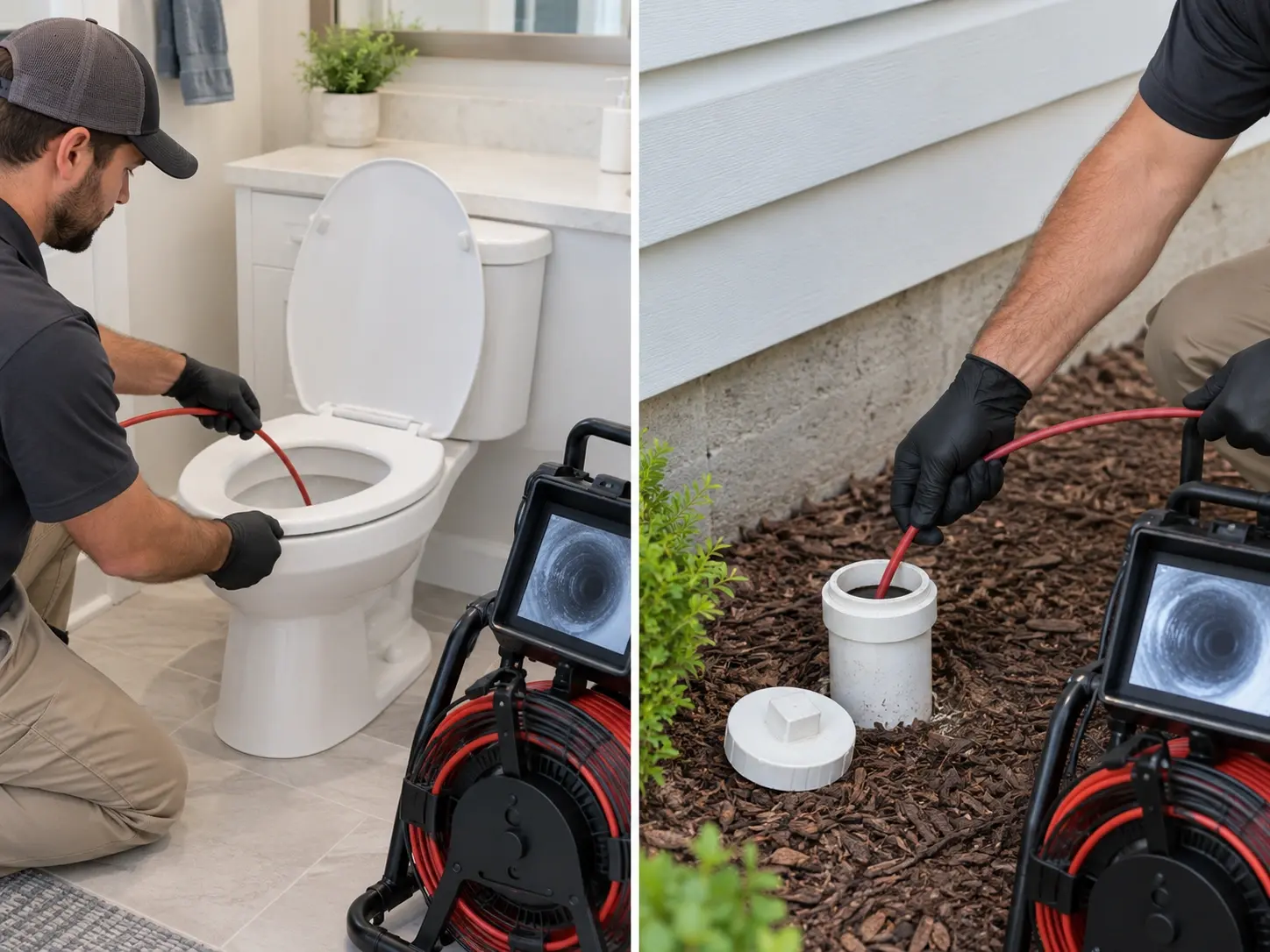
Sewer scope camera being inserted through a toilet and an exterior sewer cleanout

An accessible sewer cleanout is typically the preferred entry point for a sewer scope inspection. Cleanouts may be located inside the home, in a basement or crawlspace, in a garage, or outside near the foundation.

When a suitable cleanout is not available, Dunsing also has specialized camera equipment that may allow the main sewer lateral to be accessed through a toilet when the plumbing configuration and conditions permit.

Access can vary by property. Sharp turns, blockages, damaged piping or other plumbing conditions may still limit how far the camera can travel through the sewer line.
 
Your Sewer Scope Results

What You Receive

After the sewer scope is complete, you receive clear documentation of the visible conditions identified during the inspection. Our goal is to give you information you can actually use when evaluating the property or deciding what additional action may be appropriate.
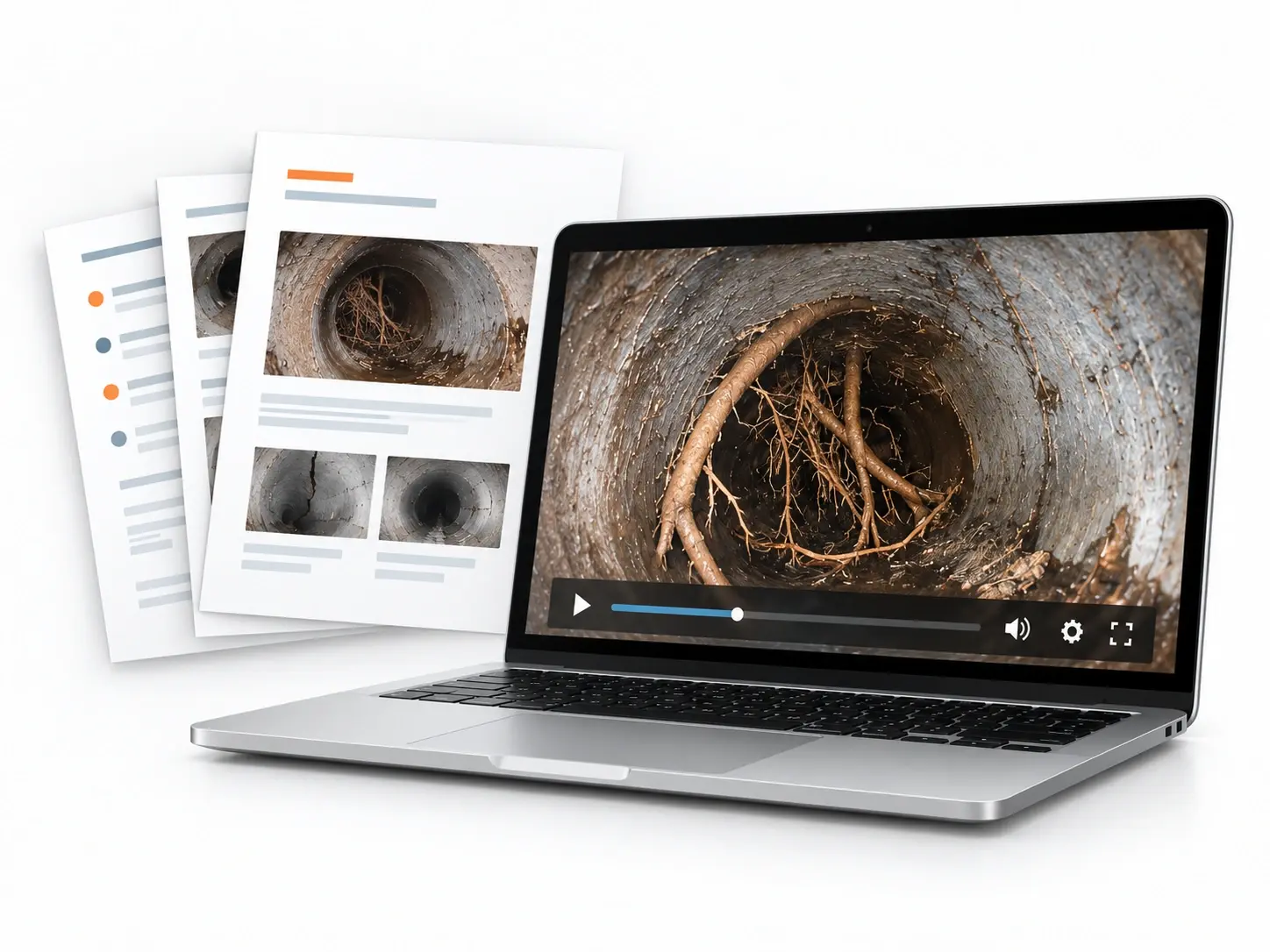

Sewer scope inspection findings and sewer camera video shown on a laptop
✓
Detailed written findings describing visible sewer-line conditions and concerns.
✓
Technician observations to help explain what was seen during the scope.
✓
Sewer camera video when available so you can see the interior conditions for yourself.
✓
Clear explanations of significant defects, restrictions or other notable findings.
✓
Recommendations for next steps when additional evaluation, cleaning or repair should be considered.
 
When to Consider a Sewer Scope
 

When a Sewer Scope Is Especially Worthwhile

A sewer scope can provide valuable information for almost any property, but certain conditions make a camera inspection of the main sewer lateral especially useful.

Older Homes
Older properties may have aging clay, cast iron or other sewer materials that are more susceptible to cracking, deterioration and joint movement.
Homes With Mature Trees
Tree roots can enter sewer lines through joints, cracks and other openings, sometimes creating significant restrictions or recurring blockages.
Recurring Drain Problems
Repeated slow drains, clogs or sewer backups may indicate a larger problem somewhere in the main sewer lateral.
Before Buying a Home
A sewer scope can uncover underground conditions before closing, giving buyers important information before taking ownership of the property.
Before Major Remodeling
Understanding the sewer line's condition before a major renovation can help identify potential work that may be better addressed before new finishes are installed.
 
Why Dunsing

Experience You Can Trust

For decades, Dunsing has provided residential and commercial inspections throughout Chicagoland. Our experienced inspectors combine local knowledge, ongoing training and detailed reporting to help buyers, sellers and homeowners better understand the properties they depend on.

✓
Licensed home inspectors
✓
Decades of residential and commercial inspection experience
✓
Detailed, easy-to-understand inspection reports
✓
Responsive, knowledgeable inspection team
✓
Trusted by homeowners, buyers and real estate professionals
Loading Google reviews…

Frequently Asked Questions

What is a sewer scope inspection?

A sewer scope inspection is a video inspection of the property’s main sewer lateral, the underground pipe that carries wastewater away from the home toward the municipal sewer system. A specialized camera is advanced through the line so the technician can look for visible defects and conditions such as cracks, tree-root intrusion, offset joints, blockages, standing water and deteriorated piping.

Sewer scope inspections are also commonly referred to as sewer surveys, sewer camera inspections or sewer line camera inspections.

Is a sewer scope included in a standard home inspection?

No. A standard home inspection evaluates visible and accessible plumbing components within the home, but the underground sewer lateral cannot normally be visually inspected without specialized camera equipment.

A sewer scope inspection is a separate ancillary service that allows the interior of the buried sewer line to be evaluated.

Should I get a sewer scope before buying a home?

A sewer scope can be particularly valuable before purchasing a home because significant sewer defects can exist underground with few or no visible warning signs inside the property.

Discovering root intrusion, damaged piping, major offsets, blockages or other concerns before closing gives buyers an opportunity to better understand the property, obtain additional specialist evaluation when needed and address significant concerns before taking ownership.

What problems can a sewer camera inspection find?

A sewer camera inspection can reveal many visible conditions inside the main sewer lateral, including:

  • Tree-root intrusion
  • Cracks and fractures
  • Offset or separated pipe joints
  • Standing water
  • Blockages and debris
  • Corrosion and scaling
  • Broken or deteriorated piping
  • Restrictions that may interfere with drainage

The inspection is visual, so conditions hidden outside the pipe or beyond portions of the line the camera cannot access may not be identifiable.

How does Dunsing access the sewer line?

An accessible interior or exterior sewer cleanout is typically the preferred access point. Cleanouts may be located in a basement, crawlspace, garage or outside near the foundation.

When a suitable cleanout is not available, Dunsing also has specialized sewer camera equipment that may allow the lateral to be accessed through a toilet when the plumbing configuration and conditions permit.

Can a sewer scope inspect the entire sewer lateral?

Not always. The amount of sewer line that can be inspected depends on the available access, the plumbing configuration and the conditions encountered as the camera moves through the line.

Severe blockages, damaged or collapsed piping, standing water, sharp turns and branch fittings such as tees or other junctions can prevent the camera from advancing farther. In some homes, a camera may encounter a limitation relatively early in the inspection.

If Dunsing is unable to obtain a meaningful view of the sewer lateral because access or an obstruction prevents the inspection from progressing, the inspection may be discontinued and the sewer-scope fee may be refunded. If a substantial portion of the line can still be inspected, the accessible portion is evaluated and the limitation is clearly documented as part of the inspection findings.

Are older homes more likely to benefit from a sewer scope?

Older homes are often particularly good candidates for sewer inspection because the sewer lateral may contain aging materials or have experienced decades of soil movement, root growth and deterioration.

Older clay, cast iron and other piping materials may develop cracks, displaced joints, corrosion or other defects over time. The age of a property does not automatically mean the sewer line has a problem, but it can make understanding its condition especially worthwhile.

Why are mature trees a concern for sewer lines?

Tree roots seek moisture and can enter sewer piping through cracks, joints and other openings. Once inside the pipe, roots can continue growing, restrict wastewater flow and collect debris.

Significant root intrusion can contribute to repeated clogs, drainage problems and, in more severe situations, sewer backups.

What does standing water during a sewer scope mean?

Standing water indicates that wastewater is not completely draining from that portion of the sewer line during the inspection.

In some cases, persistent standing water may be associated with a low area in the pipe commonly called a belly or sag. However, standing water alone does not automatically establish the exact cause. The condition must be evaluated along with the surrounding sewer line and other observations.

What happens if a sewer scope finds a problem?

Dunsing documents the visible condition and provides information to help you understand what was observed.

Depending on the finding, additional evaluation, cleaning or repair by a qualified plumbing or sewer contractor may be recommended. For buyers, identifying a significant sewer concern before closing also provides an opportunity to obtain specialist input or repair estimates before taking ownership.

How much does a sewer scope inspection cost in Chicagoland?

Dunsing sewer scope inspections are $369 when added to a home inspection and $419 as a standalone service.

Pricing may vary if unusual property conditions or access requirements create additional work. The service includes evaluation of the accessible sewer lateral, documentation of visible findings and sewer camera video when available.

Does Dunsing provide sewer scope inspections throughout Chicagoland?

Yes. Dunsing provides sewer scope inspections, sewer surveys and sewer camera inspections throughout Chicago and the surrounding suburbs for home buyers, homeowners, sellers and property owners.

A sewer scope can be scheduled along with a home inspection or as a standalone service depending on the property and scheduling needs.

How much can sewer line problems cost to repair?

Sewer repair costs can vary dramatically depending on what is wrong, where the damaged section is located and how difficult the line is to access. A relatively simple blockage may require cleaning or rodding, while cracked, collapsed or badly deteriorated piping may require excavation, lining or replacement of part or all of the sewer lateral.

In the Chicago area, sewer repairs can quickly reach several thousand dollars, and major sewer lateral replacements can reach five figures or more, particularly when the line is deep, long, difficult to access or runs beneath sidewalks, driveways or other finished areas. A current Chicago cost guide from Angi estimates sewer replacement at roughly $80 to $300 per linear foot, depending on material and project complexity.

That potential expense is one of the main reasons a sewer scope can be valuable before purchasing a property: a relatively inexpensive camera inspection may identify a condition that could otherwise become a major unexpected repair.

 
Our Expert Inspection Services
 

Specialized Services for a Deeper Look

In addition to standard property inspections, we offer a range of specialized services to uncover potential issues, evaluate key systems, and provide greater peace of mind.

Radon Testing

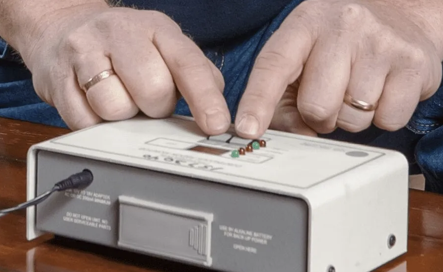
  • Radon is an invisible, odorless gas and the second leading cause of lung cancer. Our professional radon testing services deliver accurate results, giving you the information you need to protect your home and the people who matter most.

Sewer Surveys

  • Sewer line problems are often hidden from view and impossible to detect without a camera inspection. Our professional sewer camera inspections provide accurate results to help protect your home, your investment, and your peace of mind.

Mold Testing

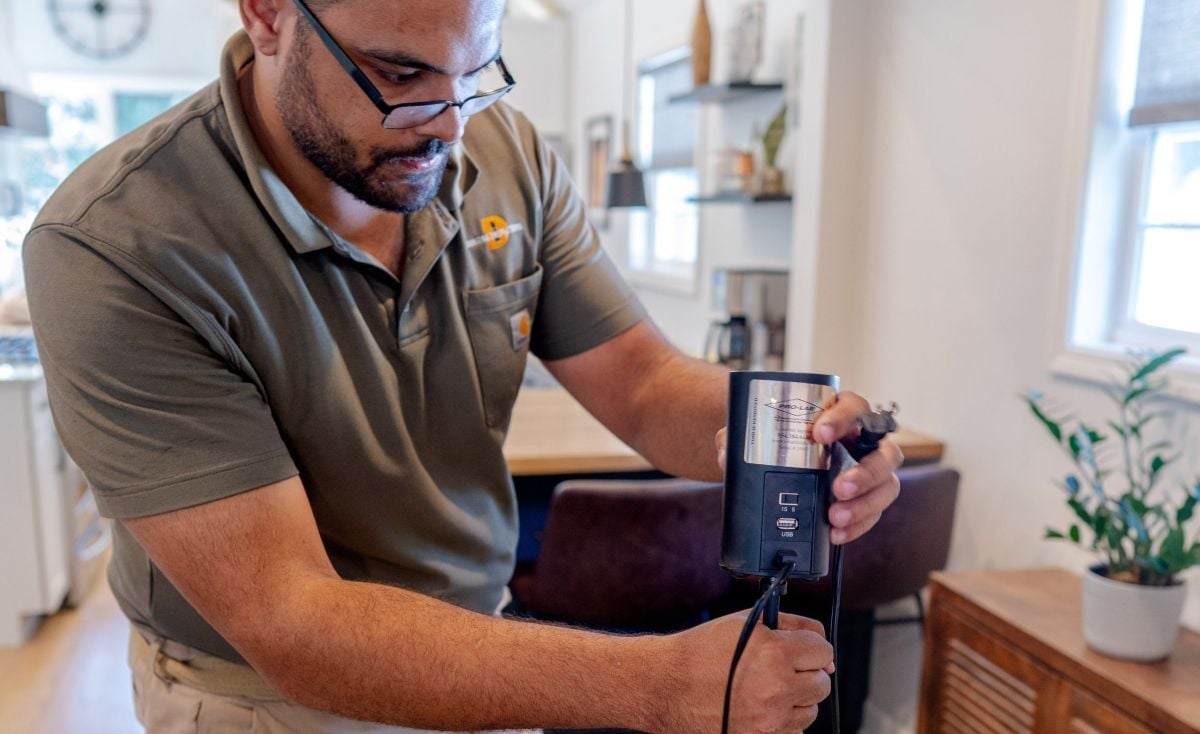
  • Mold can grow unnoticed behind walls and in hidden areas, impacting your home's air quality and your family's health. Our professional mold testing services provide accurate results to help protect your home and the people who matter most.

Chimney Scan

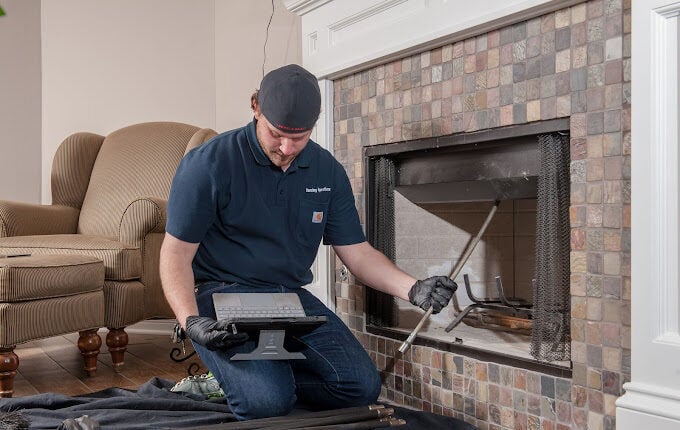
  • Hidden damage inside your chimney can increase the risk of dangerous house fires if left undetected. Our professional chimney scan services provide detailed results to help protect your home, your family, and your peace of mind.

Thermal Imaging

  • Hidden moisture, electrical hot spots, and missing insulation can lead to costly damage if left undetected. Our professional thermal imaging inspections provide detailed insights to help protect your home and your investment.

EIFS/Dryvit®

  • EIFS (synthetic stucco) can allow hidden moisture intrusion if not properly installed or maintained. Our professional EIFS inspections provide accurate results to help protect your home and prevent costly damage.

Meet Our Expert Inspectors


Get to know the experienced professionals behind every Dunsing inspection. Our licensed inspectors bring diverse backgrounds, extensive technical knowledge, and a shared commitment to providing thorough, dependable property inspections. Each member of our team is trained to clearly communicate their findings, answer your questions, and help you better understand your property. Meet our inspectors and discover the expertise, professionalism, and personal service that have helped build Dunsing’s trusted reputation.

Meet Our Expert Inspectors 


Get to know the experienced professionals behind every Dunsing inspection. Our licensed inspectors bring diverse backgrounds, extensive technical knowledge, and a shared commitment to providing thorough, dependable property inspections. Each member of our team is trained to clearly communicate their findings, answer your questions, and help you better understand your property. Meet our inspectors and discover the expertise, professionalism, and personal service that have helped build Dunsing’s trusted reputation.

Explore Our Latest Blog Posts

Explore Our Latest Blog Posts


Stay informed with practical tips, expert guidance, and helpful insights designed to protect your home and make homeownership easier. Explore our latest articles covering home inspections, maintenance, common concerns, and what homeowners and buyers should know.

  •  
Home Inspections Homebuyers & Homeowners Real Estate Agents
Your Inspector Found Some Issues. Now What?

Your Inspector Found Some Issues. Now What?

An inspection report can feel overwhelming. Learn how to prioritize findings, compare repair proposals, verify contractor credentials, and choose the right next steps before committing to work on

Read More

Jamie Dunsing Oct 5, 2026
Home Inspections Commercial Inspections Homebuyers & Homeowners
Insurance Inspections

Insurance Inspections

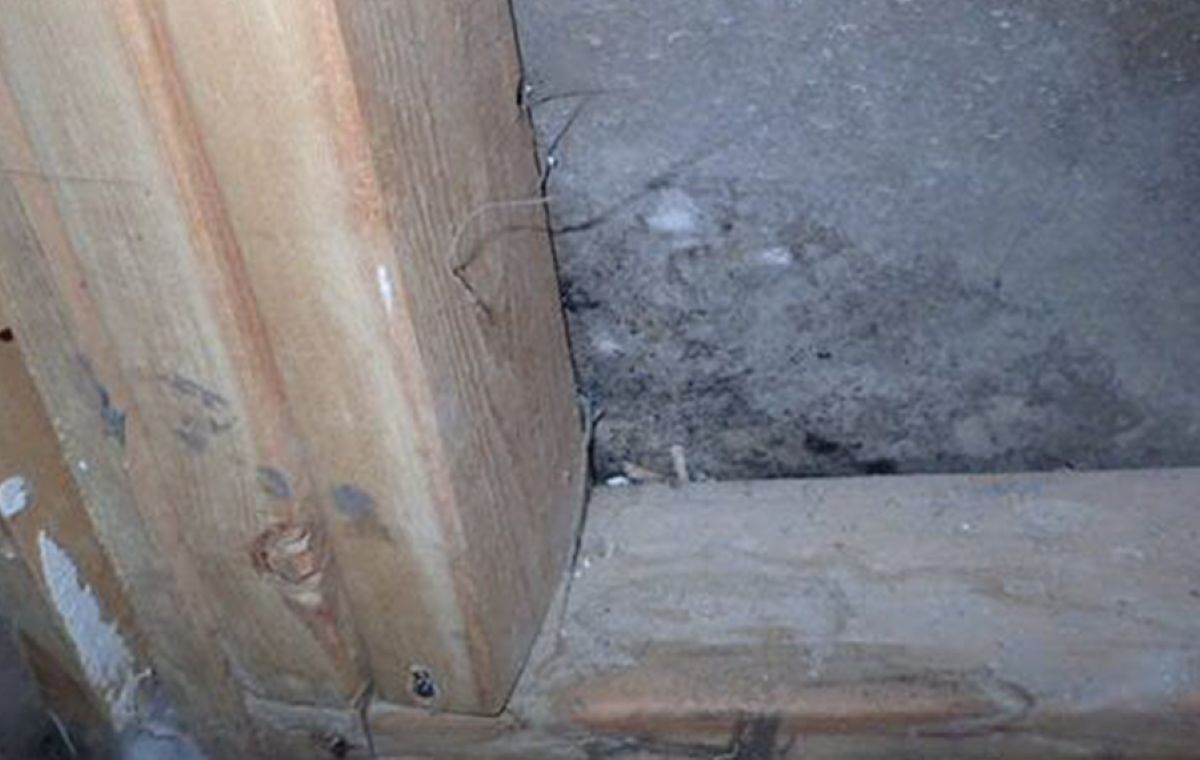
Your insurer may request a property inspection even after you have purchased a home. Learn what insurance inspections can cover, why they are requested, and how to prepare for the process.

Read More
Jamie Dunsing Oct 5, 2026
Home Inspections Homebuyers & Homeowners Real Estate Agents
Does a home buyer really need a Mold Inspection?

Does a home buyer really need a Mold Inspection?

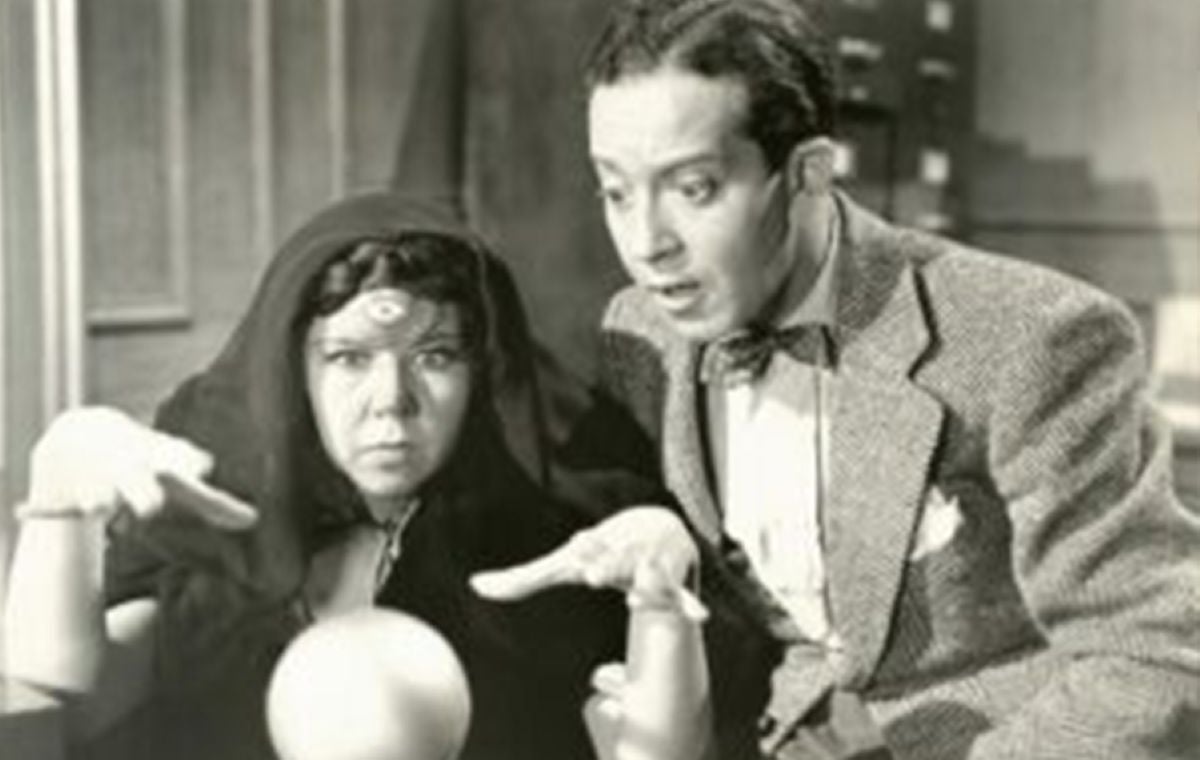
Mold concerns often start with moisture or visible warning signs. Explore how a home inspection, specialized mold evaluation, and third-party testing can help you understand what needs further

Read More
Jamie Dunsing Oct 5, 2026
Home Inspections Homebuyers & Homeowners Real Estate Agents
Realtor Reforms: What Home Buyers Can Expect After the NAR Settlement

Realtor Reforms: What Home Buyers Can Expect

Changes following the 2024 NAR settlement raised new questions for buyers and real estate professionals. Jamie shares his perspective on buyer representation, compensation, and the potential impact

Read More

Jamie Dunsing Oct 5, 2026
Home Inspections Homebuyers & Homeowners Real Estate Agents
Uh-Oh, Honey, I think we just bought a house!

Uh-Oh, Honey, I think we just bought a house!

The final walkthrough deserves as much attention as the earlier steps in your purchase. Use our pre-closing checklist to review repairs, test systems, and spot changes before taking ownership.

Read More
Jamie Dunsing Oct 5, 2026
Home Inspections Commercial Inspections Homebuyers & Homeowners Real Estate Agents
Does your house suck? (Water, that is!)

Does your house suck? (Water, that is!)

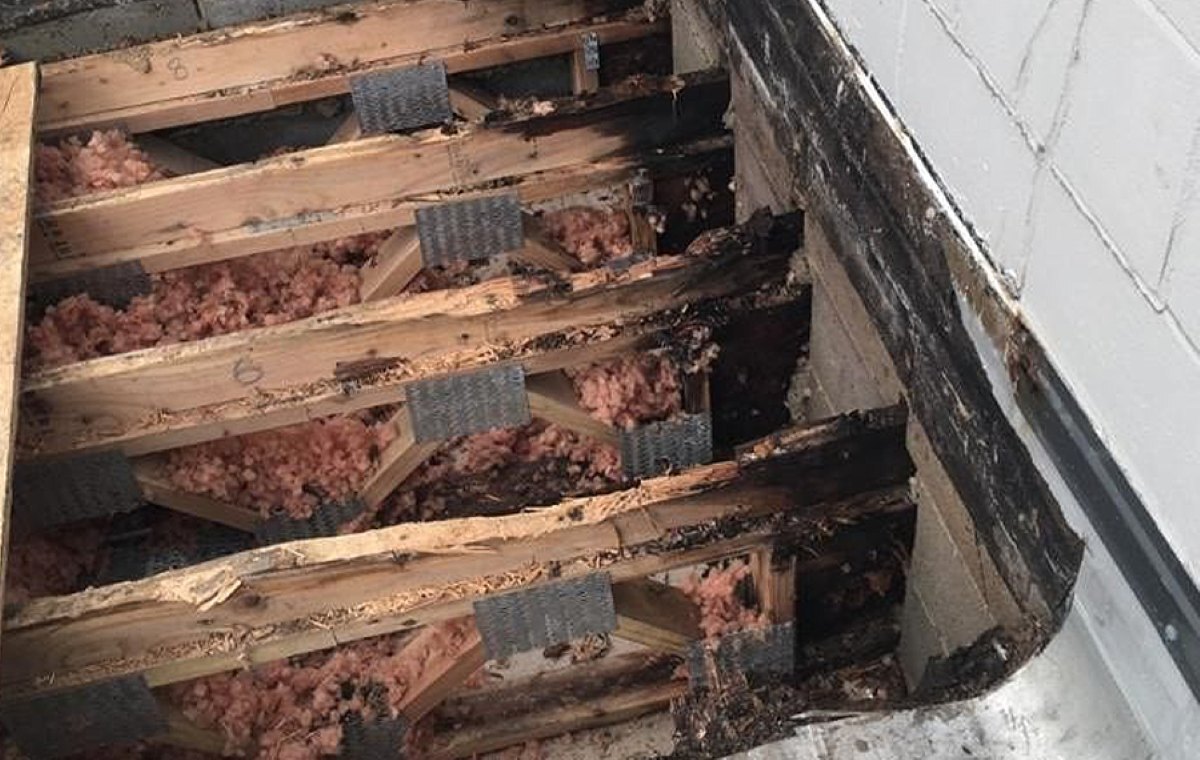
Split-faced block can allow water into a building when construction details and maintenance fall short. Learn what to look for and why moisture concerns may call for a specialized evaluation.

Read More


Jamie Dunsing Oct 5, 2026