Email | Office@dunsing.com - Phone | (847) 367-0782
Separate sewers do not eliminate every backup concern. For Wheaton buyers, basement-plumbing configuration, service-line history and localized drainage records can provide valuable context. Dunsing provides professional home inspections for buyers, sellers and owners.
Wheaton is a branching point in the Illinois Prairie Path's routes toward Elgin and Aurora. The former electric-railroad right-of-way connects recreation with the community's transportation history.
The City also provides historic-home research resources and localized drainage information, including a Prairie Path Park study. These resources help investigate specific addresses. They do not establish that every historic or trail-adjacent home has the same condition.
District 200 serves most Wheaton residents, while the City identifies some northeast and southeast areas served by Glenbard District 87 at the high-school level. District 200 operates Wheaton North and Wheaton Warrenville South. Verify district boundaries and individual attendance areas for the exact property; the closest school may not be the assigned one.
School assignments can change and are address-specific. Confirm enrollment and attendance directly with the district before purchasing. School verification is not part of a physical home inspection.
City schools resourceDistrict 200 high schoolsGlenbard address lookupLearn about our home inspections or review the separate scope of our commercial property inspections. Additional services can be selected to match the property and your concerns.
Census estimates for Wheaton.
These results reflect homes tested in the ZIP codes shown. ZIP boundaries can extend beyond the community, and radon levels vary from home to home.
Explore inspection resources for buyers and homeowners in Wheaton, including optional testing and examples of what our inspection reports cover.
Separate sewers do not eliminate every backup concern. For Wheaton buyers, basement-plumbing configuration, service-line history and localized drainage records can provide valuable context.
Wheaton explains that deterioration and connections can allow stormwater into sanitary sewers. Separate systems do not guarantee a basement cannot back up.
Ask about footing-tile connections and overhead basement plumbing. These are different from telephone-tile foundation material and address different concerns.
The Prairie Path Park resource describes an upland depression and links a study and map. Use current parcel information rather than assuming historical conditions are unchanged.
Confirm access, previous backup history and service-line records. Finished surfaces can conceal plumbing and foundation conditions.
For Wheaton homes, visible basement plumbing, drainage connections and prior backup records help explain how the property manages wastewater and groundwater.
We review accessible basement fixtures, pumps and visible overhead-plumbing arrangements. Request installation and service records to understand how below-grade fixtures discharge and what equipment needs ongoing maintenance.
Where accessible, we review sump equipment and visible discharge piping. Ask whether foundation footing drains were disconnected from the sanitary sewer and request the work records; concealed connections cannot be established from appearance alone.
Wheaton's guidance identifies unwanted inflow and pipe deterioration as ways rainwater enters sanitary sewers. An optional sewer scope can evaluate accessible interior conditions in the private lateral, alongside the property's backup history.
We assess accessible grading, low openings and visible moisture evidence. Local drainage studies and seller records add context, especially where finished basement walls limit observation of foundation conditions.

Wheaton has separate sanitary and storm sewers, but rainwater can still enter sanitary piping. The City identifies direct connections, such as improperly connected drains, and infiltration through deteriorated pipes as ways unwanted water can overload the sanitary system during heavy rain.
Foundation footing drains collect water around the base of a foundation. Where connected to a sanitary sewer, that drainage adds flow to a system intended for wastewater. Footing-tile disconnection addresses that connection; it is different from repairing foundation walls or installing protective basement plumbing.
Buyers should ask about previous backups, the basement's plumbing arrangement and any documented service-line or drainage work. Request pump maintenance information and records showing where foundation drainage discharges. Dunsing reviews accessible components, with an optional sewer scope for accessible interior pipe conditions. The City's program information is a useful resource for further questions; current eligibility must be confirmed directly with the City.
Dunsing is based in Lake Bluff and has served Chicagoland since 1980. Our inspectors combine local property knowledge with ongoing training and detailed reporting to help buyers, sellers and homeowners understand what matters before they move forward.
Yes. The City's sewer guidance explains that deterioration and connections can let stormwater enter sanitary piping. Ask about the property's backup history and protective plumbing, rather than relying only on the system label.
It separates foundation-drain discharge from a sanitary-sewer connection where applicable. Ask for documentation of the home's actual configuration. Foundation drainage tile is not the same as telephone-tile foundation walls.
Wheaton's Prairie Path Park resource describes a localized upland depression and provides a study and map. Confirm current mapping and conditions for the parcel. An older study does not prove the situation remains unchanged.
District 200 serves most Wheaton residents, while the City identifies some northeast and southeast areas served by Glenbard District 87 at the high-school level. District 200 operates Wheaton North and Wheaton Warrenville South. Verify district boundaries and individual attendance areas for the exact property; the closest school may not be the assigned one. School verification is separate from Dunsing's physical inspection scope.
Stay informed with practical tips, expert guidance, and helpful insights designed to protect your home and make homeownership easier. Explore our latest articles covering home inspections, maintenance, common concerns, and what homeowners and buyers should know.
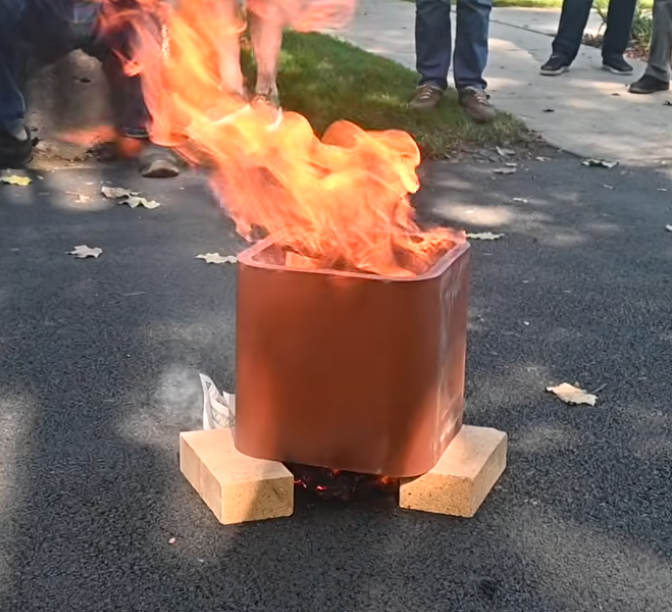
At a recent home inspection continuing education class, our team watched a simulated chimney fire. Keep your eyes on the clay flue tile at the top of the chimney. The full demonstration lasted less
Read More
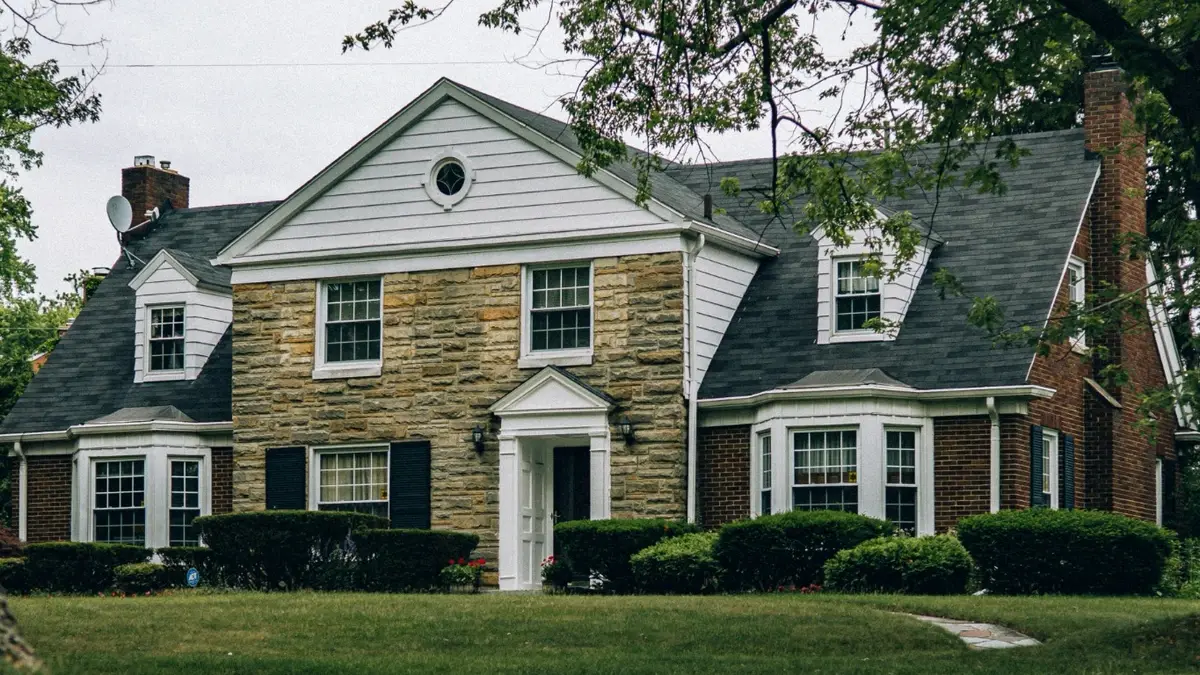
If you are buying an older home in Chicago or the surrounding suburbs, its architecture, original woodwork and established neighborhood may be part of the appeal. Before you commit, you should also
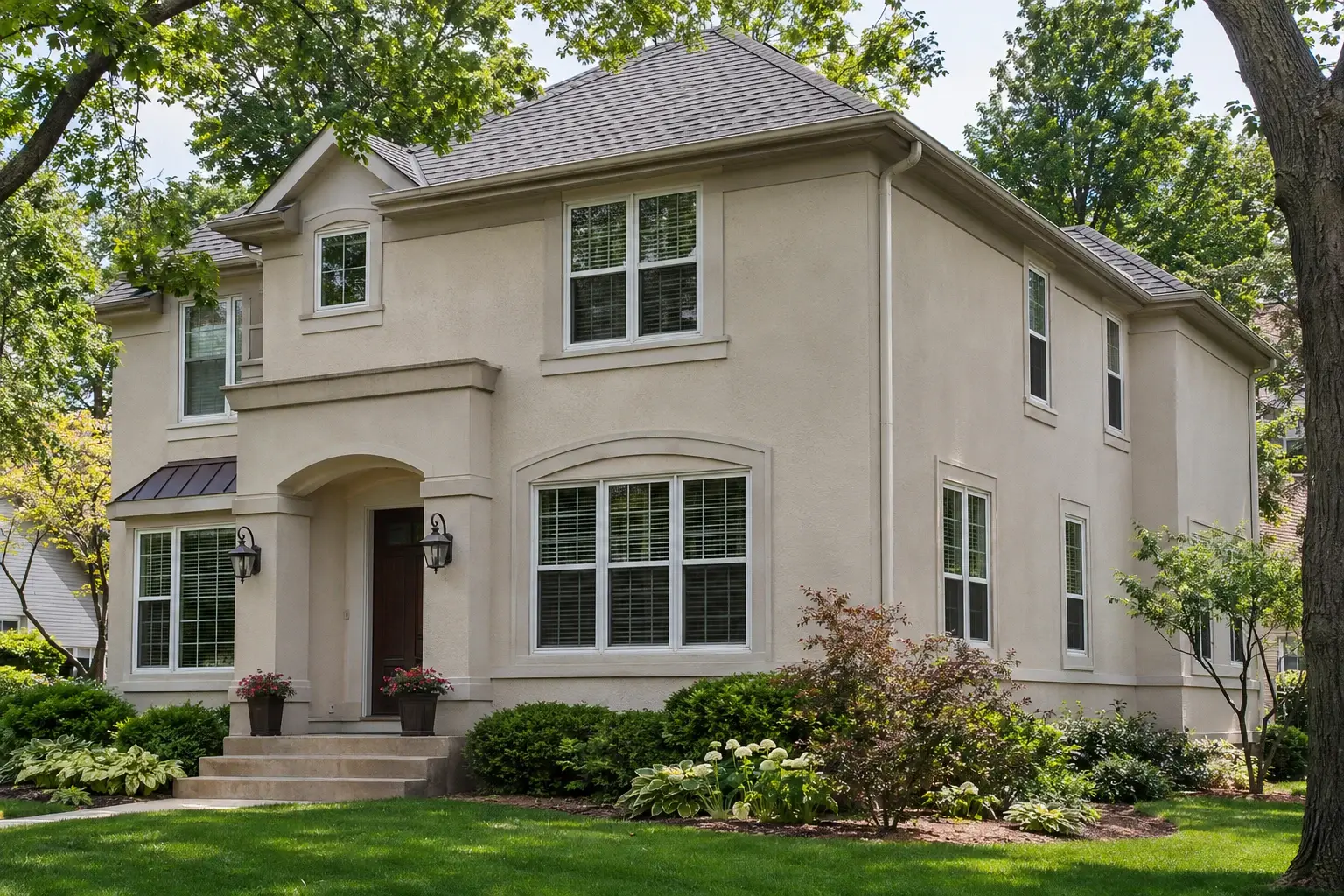
Read MoreIf you are buying a home with a stucco-like finish on its exterior walls, you may hear it called Dryvit, EIFS or synthetic stucco. Before you decide whether that exterior is a benefit or a concern,
Read More
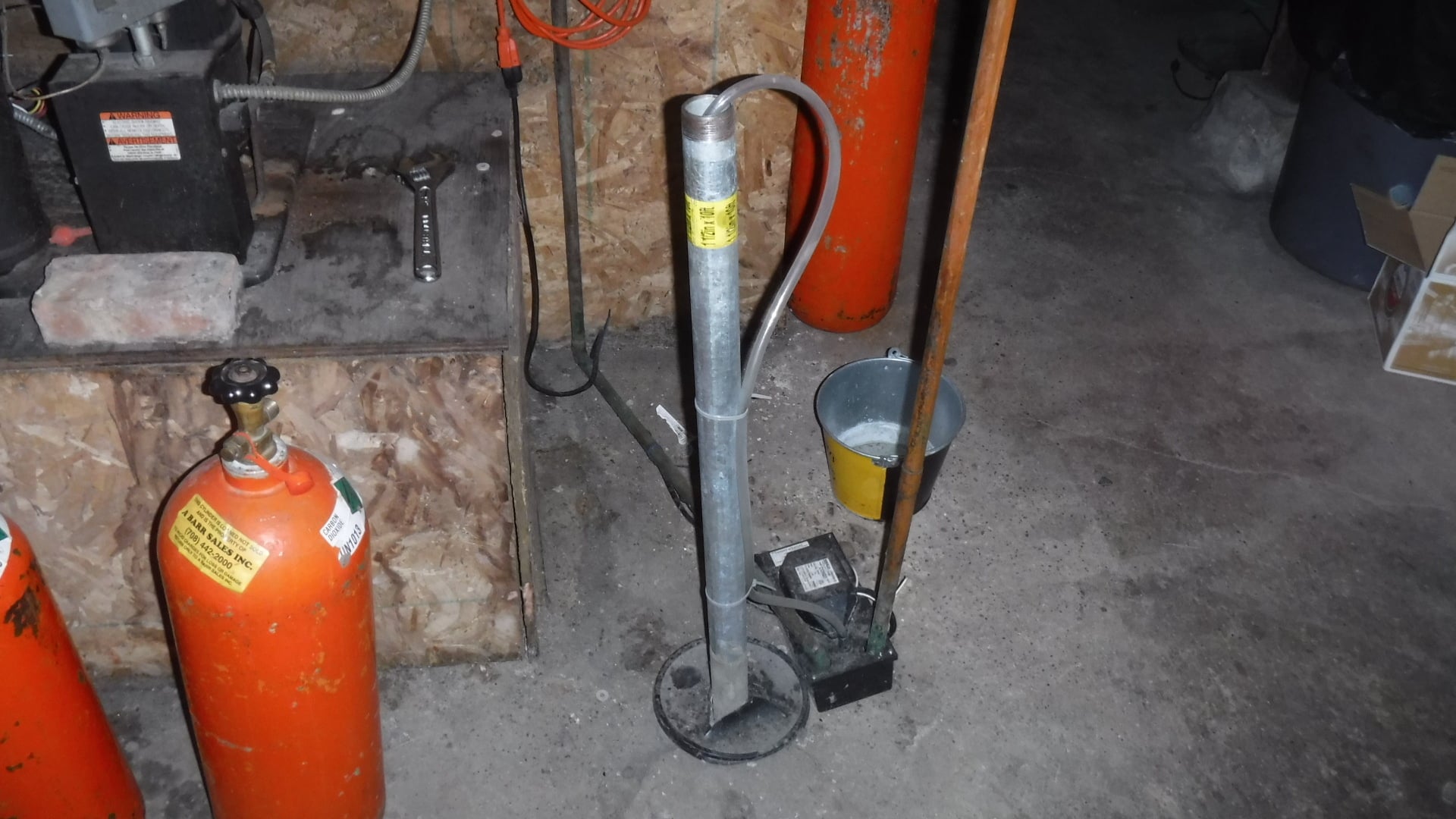
If you are buying a home in Chicago or the suburbs, you may notice a pipe sticking up from a basement floor drain. That pipe may be a standpipe, a device intended to limit sewer backup through that
Read MoreIf you are buying a home in Chicagoland, you may come across an unusual type of house called a Lustron. These homes were built in a factory using steel framing and smooth, porcelain-coated steel

Read MoreCommercial building inspection fees can vary widely. At Dunsing, smaller, straightforward commercial inspections may fall in the $1,000 to $2,000 range, while larger or more complex assessments can
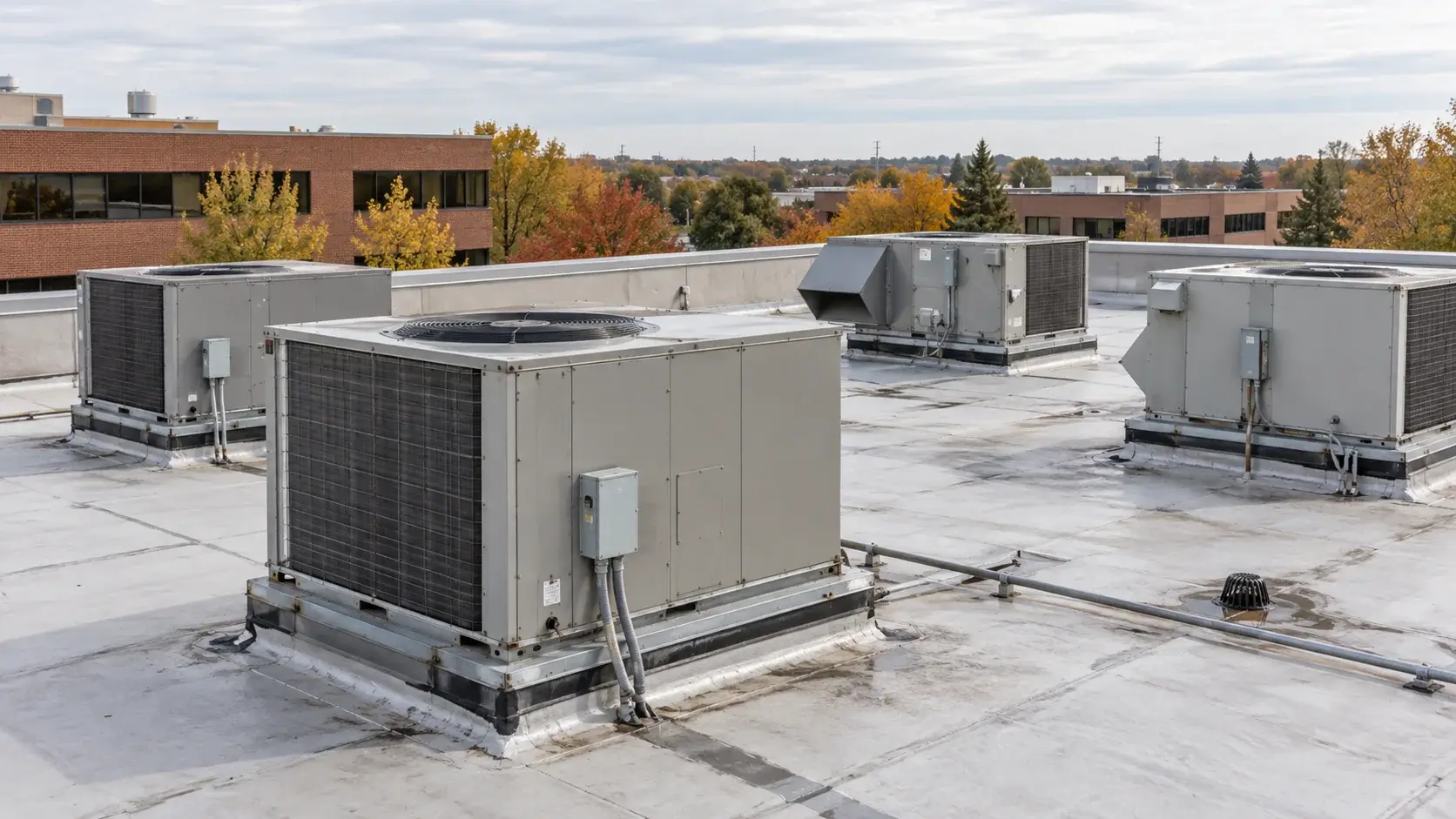
Read MoreIn addition to standard property inspections, we offer a range of specialized services to uncover potential issues, evaluate key systems, and provide greater peace of mind.

Get a clear, practical understanding of the property before you move forward. Schedule a Dunsing inspection with licensed inspectors, detailed reporting and practical guidance for your next steps.

In Business Since 1980
Experienced Licensed Inspectors
Skilled in Residential & Commercial
Detailed & Understandable Reports
Contact Us
28835 N. Herky Dr., #104, Lake Bluff, IL 60044
office@dunsing.com
(847) 367-0782