Email | Office@dunsing.com - Phone | (847) 367-0782
Frankfort's historic downtown and residential design-review records make exterior materials, additions and the approvals behind alterations useful starting points for homebuyers. Dunsing provides professional home inspections for buyers, sellers and owners.
The Old Plank Road Trail runs through Frankfort, and Breidert Green at White and Kansas streets is a recognizable downtown gathering place. These community anchors complement the village's local historic-preservation framework.
Residential planning packets document property-specific requests involving roof pitch, roof coverings and exterior materials. For buyers, those records encourage questions about the actual house's installed materials, alteration history and future repair plans.
Start with Frankfort District 157-C's boundary map and Lincoln-Way District 210's official boundary resource. District 210 explains the relationship between high-school assignment and the elementary district of residence; affiliated districts include Frankfort 157-C and Summit Hill 161. Confirm the address rather than relying on a Frankfort mailing label.
Confirm attendance and enrollment directly with the district before purchasing. School verification is separate from the physical home inspection.
Frankfort 157-C boundary mapLincoln-Way 210 boundaries and affiliated districtsStart with the residential home inspection, then choose additional services based on the property's actual systems, access and your specific concerns. Confirm included components and specialist services when booking.
Residential home inspectionsChimney inspectionsDrone inspectionsEIFS/Dryvit inspectionsCommercial inspectionsThese results reflect homes tested in the ZIP codes shown. ZIP boundaries can extend beyond the community, and radon levels vary from home to home.
Frankfort's historic downtown and residential design-review records make exterior materials, additions and the approvals behind alterations useful starting points for homebuyers.
Frankfort's preservation framework covers designated properties and districts. Confirm whether it applies to the parcel before budgeting replacement openings, exterior alterations or additions. Inspection condition and municipal approval are separate questions.
Village code: historic preservationResidential planning files include requests involving roof pitch and material. Identify the installed covering, accessible valleys, penetrations and transitions. A design decision does not establish current workmanship or weather resistance.
Village: residential roof-pitch and material review, November 14, 2024 packetroof and exterior material review, April 10, 2025 packetVillage planning files consider exterior building materials. Accessible flashing and transitions where brick, stone, siding or another finish meet deserve review. The materials and details actually installed guide the assessment of the particular home.
Village: residential roof-pitch and material review, November 14, 2024 packetroof and exterior material review, April 10, 2025 packetProperty-specific residential reviews provide a reason to request the actual home's plans, variation decisions and final inspection records when major work is claimed. Compare visible additions and changed openings with that history. A home inspection does not certify zoning compliance.
Village: residential roof-pitch and material review, November 14, 2024 packetroof and exterior material review, April 10, 2025 packetThe inspection follows the home's accessible construction and agreed scope. Local records help buyers frame questions about work, maintenance and changes at the actual property.
We assess accessible roof materials, flashing, valleys and penetrations within the agreed scope. Complex geometry or limited access can warrant further evaluation; a planning-file example does not establish this roof's construction or condition.
Visible material changes and wall-to-roof junctions help focus the inspection. We look for accessible condition concerns and report where concealed details or access limitations prevent a fuller assessment.
Accessible windows, doors and connections between original and newer construction deserve review. Buyers planning replacements should obtain property-specific approval history and ask Village staff about current requirements.
Where present, fireplaces, masonry chimneys or EIFS/Dryvit assemblies can create additional inspection questions. Discuss specialized services based on the actual property and access, rather than the home's architectural label.

Identify the property's designation, installed materials and approval history. Ask what work a repair quote includes at roof-to-wall junctions, whether material changes require Village review, and whether prior alterations received final inspections. Let the municipal staff answer current approval requirements; let the inspection establish accessible condition and appropriate follow-up.
Village code: historic preservationVillage: residential roof-pitch and material review, November 14, 2024 packetroof and exterior material review, April 10, 2025 packetDunsing is based in Lake Bluff and has served Chicagoland since 1980. Our inspectors combine local property knowledge with ongoing training and detailed reporting to help buyers, sellers and homeowners understand what matters before they move forward.
Age alone does not establish designation. Check the parcel with the Village.
No. It addresses a design decision, while condition depends on the installed roof.
Identify the actual assemblies and their transitions; appearance alone does not establish wall construction.
Confirm the elementary district and the current high-school boundary with District 210.
Stay informed with practical tips, expert guidance, and helpful insights designed to protect your home and make homeownership easier. Explore our latest articles covering home inspections, maintenance, common concerns, and what homeowners and buyers should know.
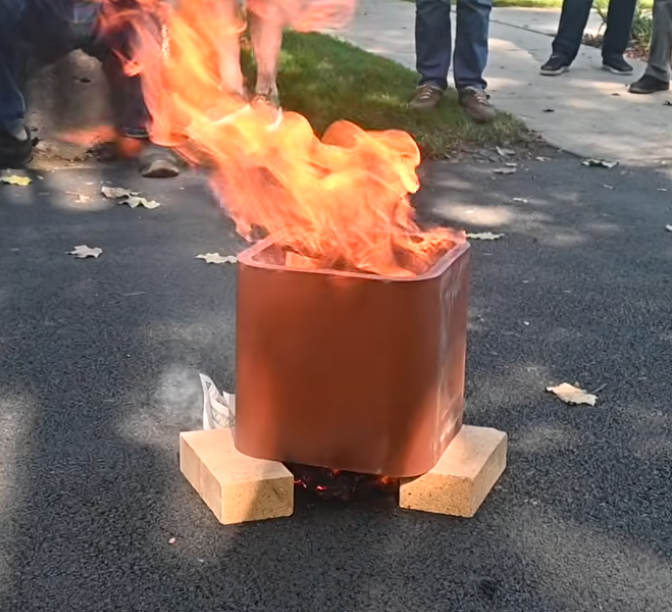
At a recent home inspection continuing education class, our team watched a simulated chimney fire. Keep your eyes on the clay flue tile at the top of the chimney. The full demonstration lasted less
Read More
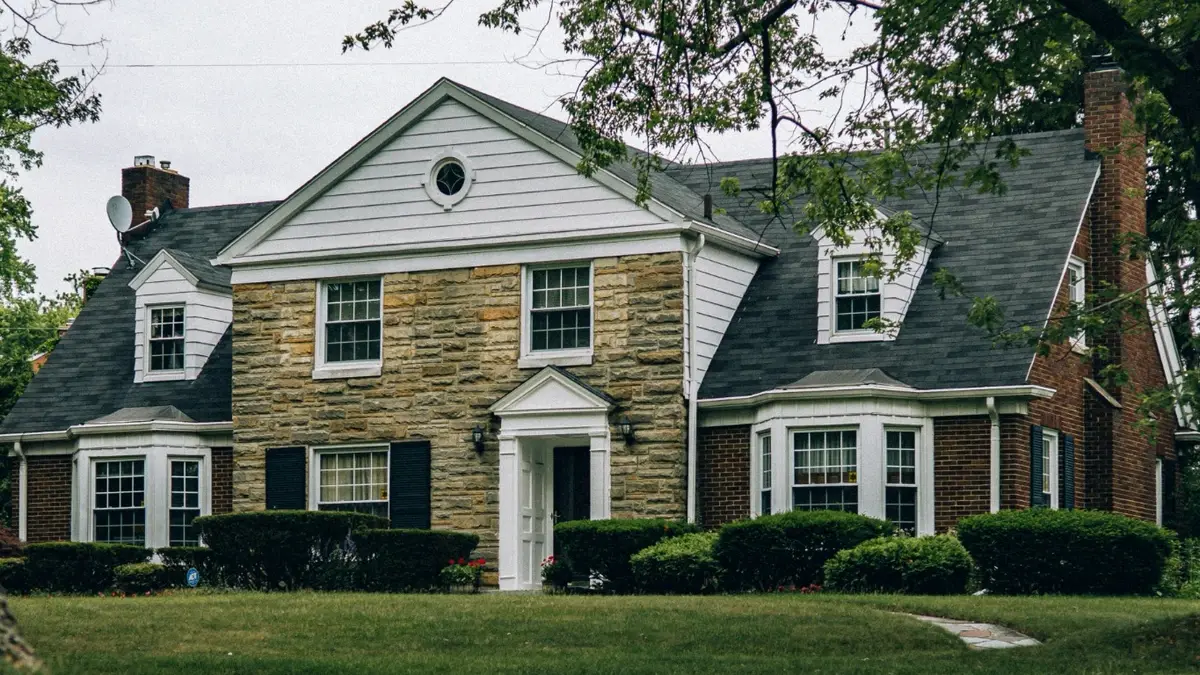
If you are buying an older home in Chicago or the surrounding suburbs, its architecture, original woodwork and established neighborhood may be part of the appeal. Before you commit, you should also
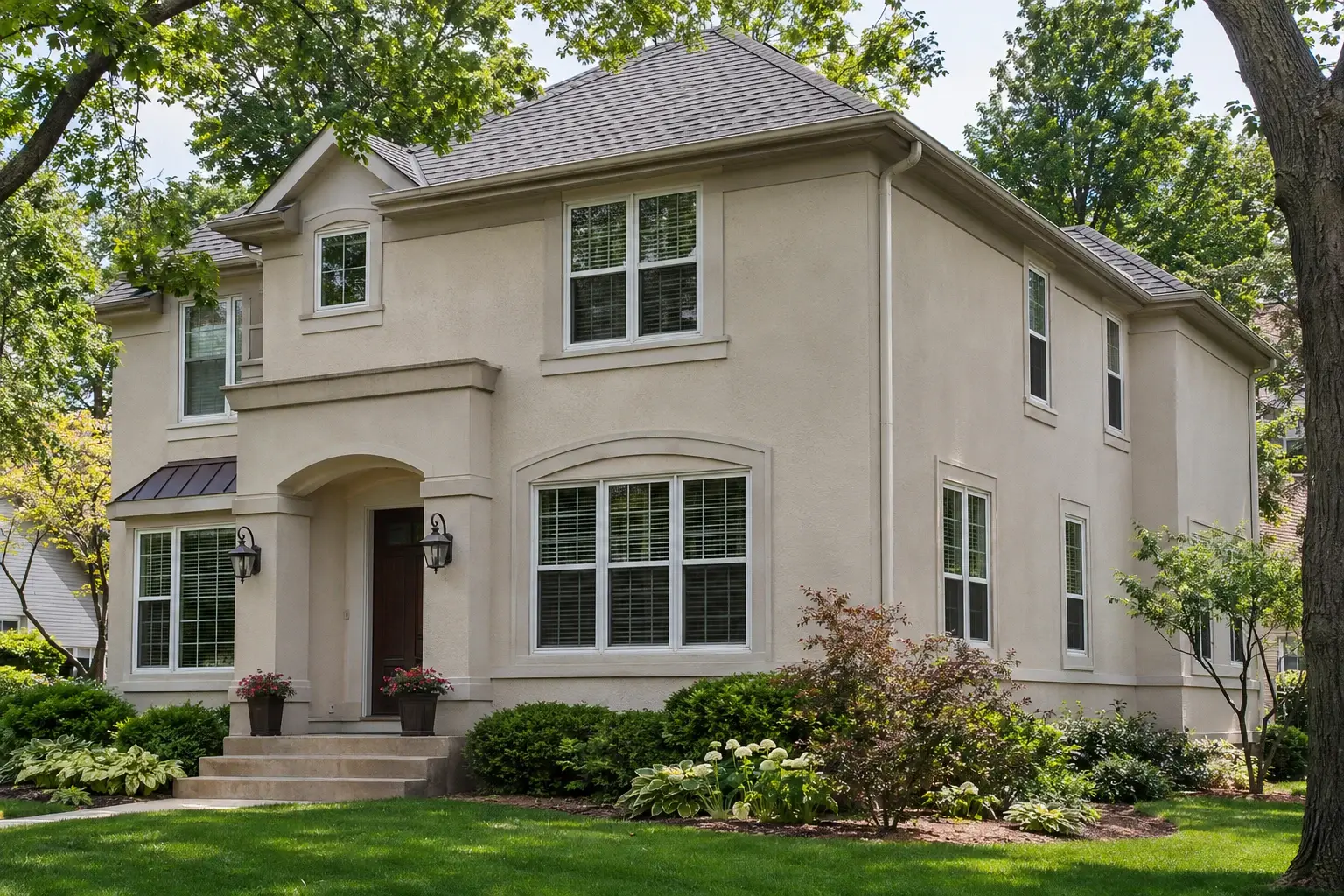
Read MoreIf you are buying a home with a stucco-like finish on its exterior walls, you may hear it called Dryvit, EIFS or synthetic stucco. Before you decide whether that exterior is a benefit or a concern,
Read More
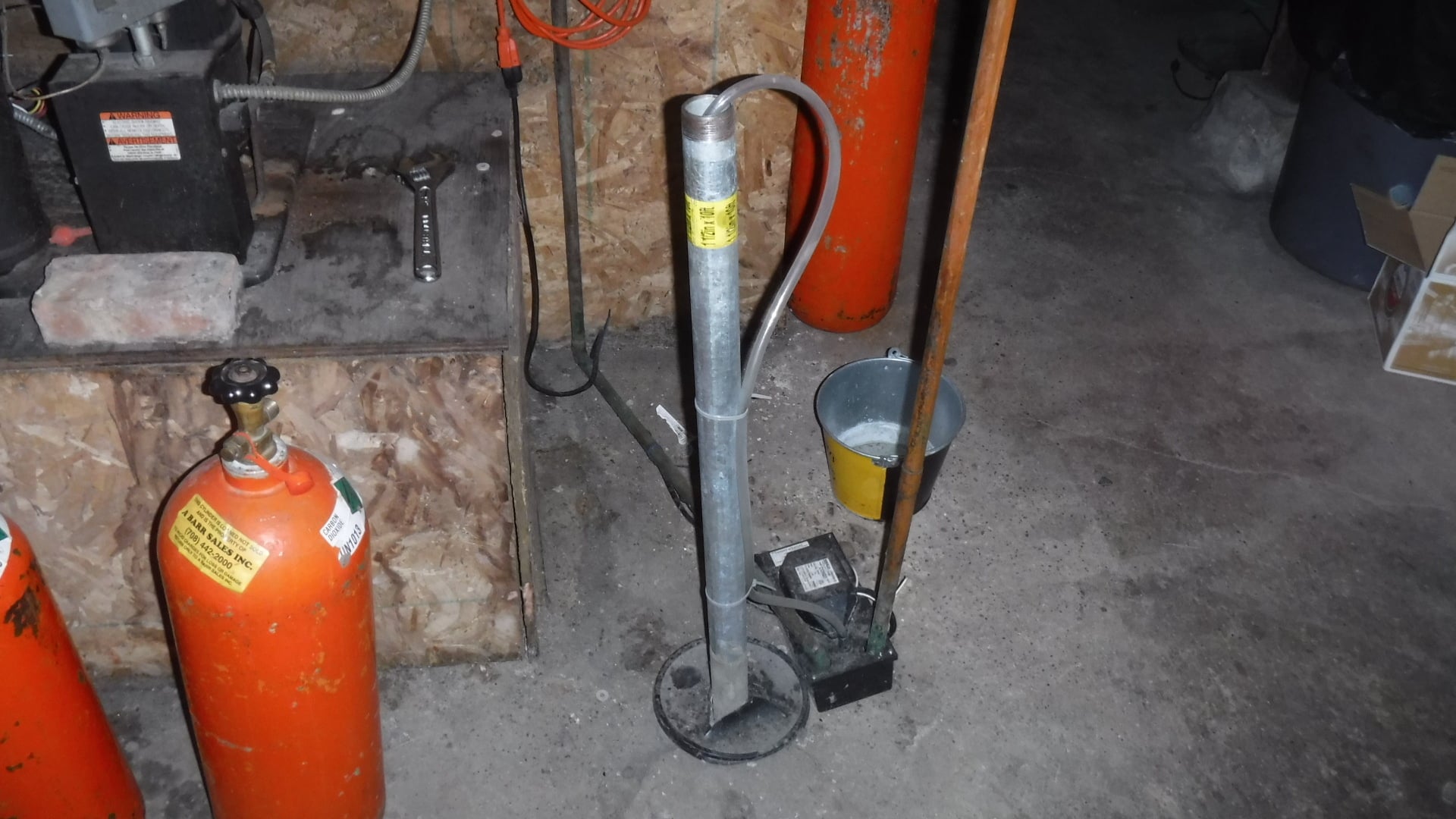
If you are buying a home in Chicago or the suburbs, you may notice a pipe sticking up from a basement floor drain. That pipe may be a standpipe, a device intended to limit sewer backup through that
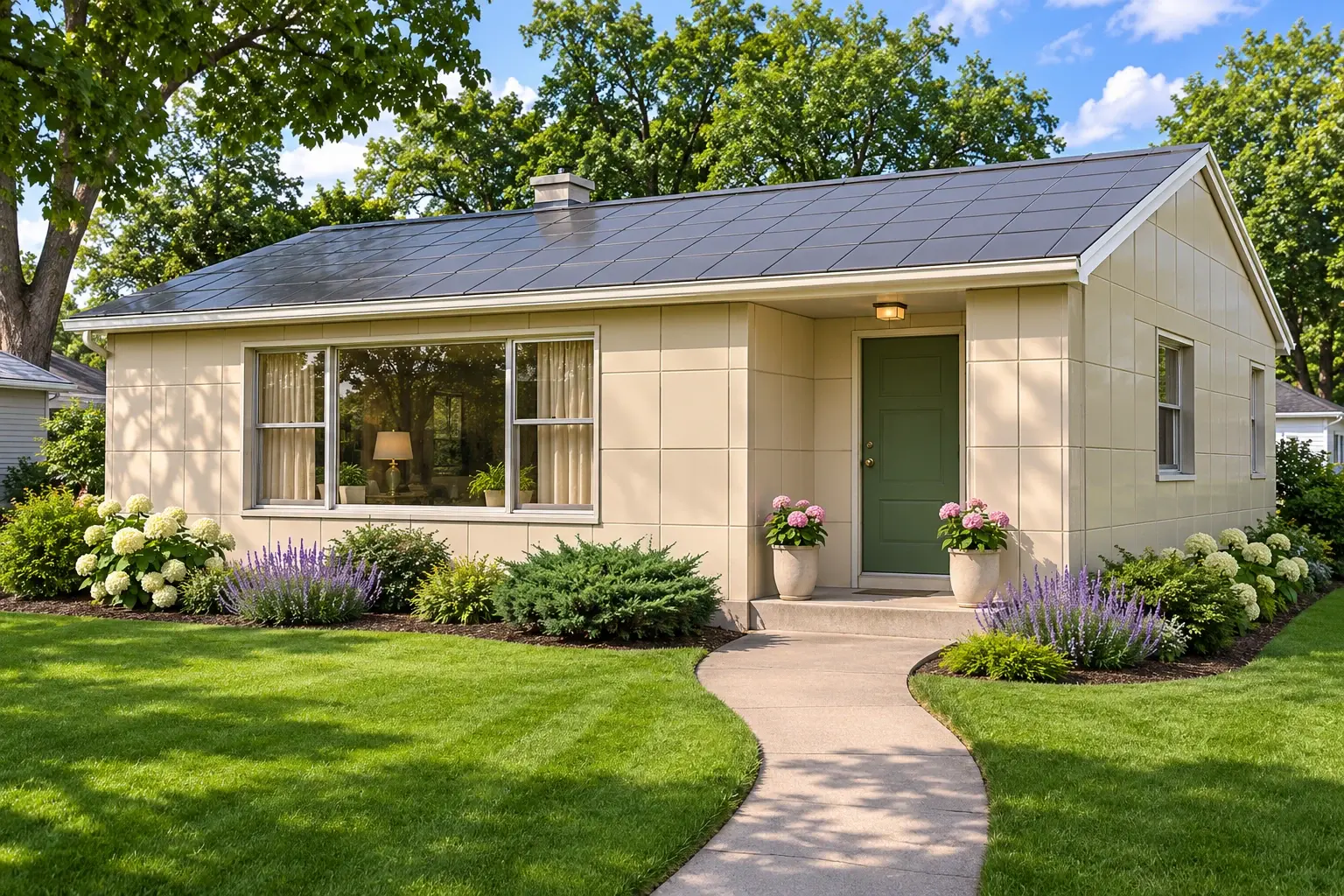
Read MoreIf you are buying a home in Chicagoland, you may come across an unusual type of house called a Lustron. These homes were built in a factory using steel framing and smooth, porcelain-coated steel
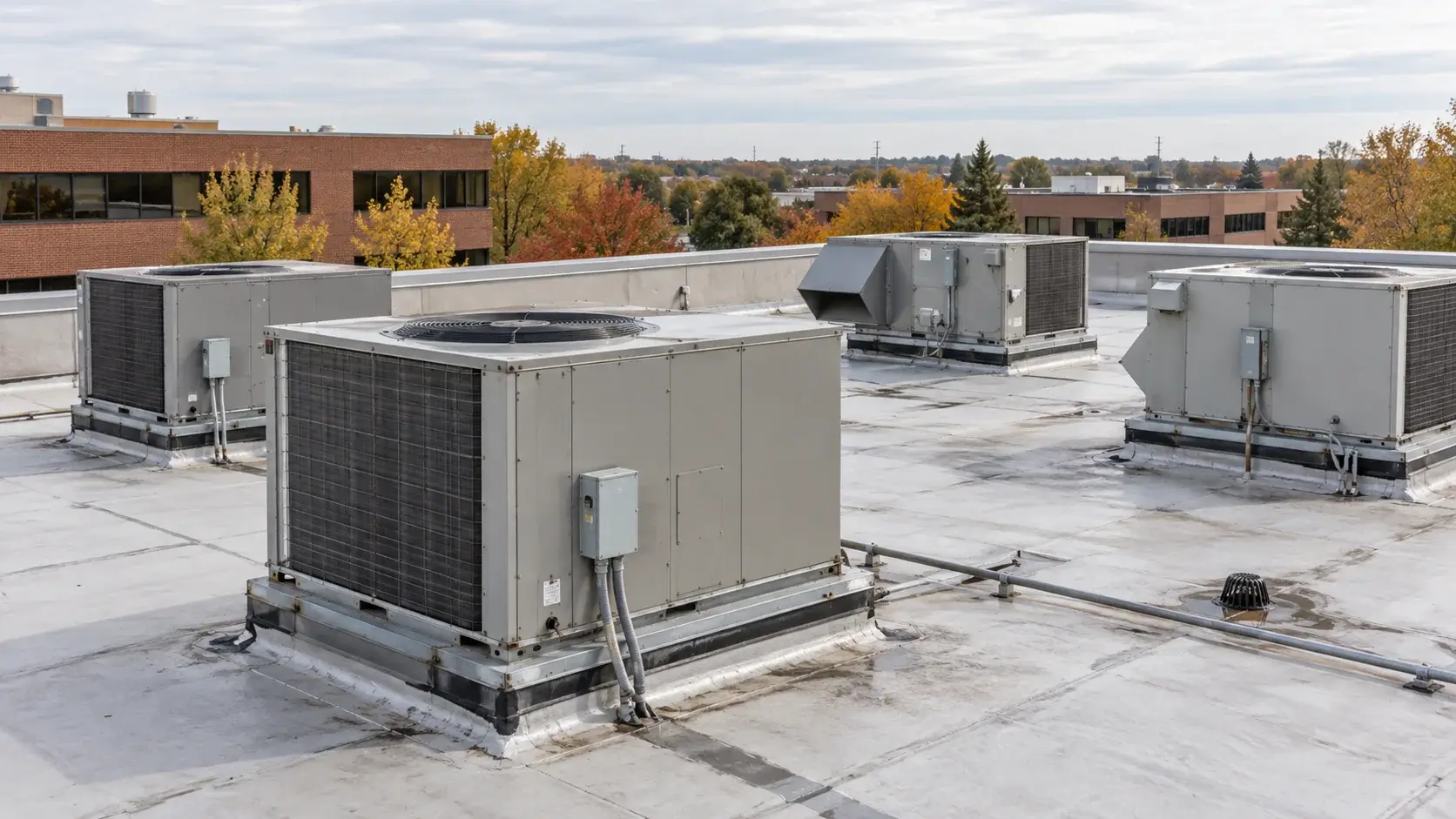
Read MoreCommercial building inspection fees can vary widely. At Dunsing, smaller, straightforward commercial inspections may fall in the $1,000 to $2,000 range, while larger or more complex assessments can
Read MoreIn addition to standard property inspections, we offer a range of specialized services to uncover potential issues, evaluate key systems, and provide greater peace of mind.

Get a clear, practical understanding of the property before you move forward. Schedule a Dunsing inspection with licensed inspectors, detailed reporting and practical guidance for your next steps.

In Business Since 1980
Experienced Licensed Inspectors
Skilled in Residential & Commercial
Detailed & Understandable Reports
Contact Us
28835 N. Herky Dr., #104, Lake Bluff, IL 60044
office@dunsing.com
(847) 367-0782