Email | Office@dunsing.com - Phone | (847) 367-0782
Separate sewers do not eliminate every backup concern. For Wheaton buyers, basement-plumbing configuration, service-line history and localized drainage records can provide valuable context. Dunsing provides professional home inspections for buyers, sellers and owners.
Wheaton is a branching point in the Illinois Prairie Path's routes toward Elgin and Aurora. The former electric-railroad right-of-way connects recreation with the community's transportation history.
The City also provides historic-home research resources and localized drainage information, including a Prairie Path Park study. These resources help investigate specific addresses. They do not establish that every historic or trail-adjacent home has the same condition.
District 200 serves most Wheaton residents, while the City identifies some northeast and southeast areas served by Glenbard District 87 at the high-school level. District 200 operates Wheaton North and Wheaton Warrenville South. Verify district boundaries and individual attendance areas for the exact property; the closest school may not be the assigned one.
School assignments can change and are address-specific. Confirm enrollment and attendance directly with the district before purchasing. School verification is not part of a physical home inspection.
City schools resourceDistrict 200 high schoolsGlenbard address lookupLearn about our home inspections or review the separate scope of our commercial property inspections. Additional services can be selected to match the property and your concerns.
Separate sewers do not eliminate every backup concern. For Wheaton buyers, basement-plumbing configuration, service-line history and localized drainage records can provide valuable context.
Wheaton explains that deterioration and connections can allow stormwater into sanitary sewers. Separate systems do not guarantee a basement cannot back up.
Ask about footing-tile connections and overhead basement plumbing. These are different from telephone-tile foundation material and address different concerns.
The Prairie Path Park resource describes an upland depression and links a study and map. Use current parcel information rather than assuming historical conditions are unchanged.
Confirm access, previous backup history and service-line records. Finished surfaces can conceal plumbing and foundation conditions.
For Wheaton homes, visible basement plumbing, drainage connections and prior backup records help explain how the property manages wastewater and groundwater.
We review accessible basement fixtures, pumps and visible overhead-plumbing arrangements. Request installation and service records to understand how below-grade fixtures discharge and what equipment needs ongoing maintenance.
Where accessible, we review sump equipment and visible discharge piping. Ask whether foundation footing drains were disconnected from the sanitary sewer and request the work records; concealed connections cannot be established from appearance alone.
Wheaton's guidance identifies unwanted inflow and pipe deterioration as ways rainwater enters sanitary sewers. An optional sewer scope can evaluate accessible interior conditions in the private lateral, alongside the property's backup history.
We assess accessible grading, low openings and visible moisture evidence. Local drainage studies and seller records add context, especially where finished basement walls limit observation of foundation conditions.

Wheaton has separate sanitary and storm sewers, but rainwater can still enter sanitary piping. The City identifies direct connections, such as improperly connected drains, and infiltration through deteriorated pipes as ways unwanted water can overload the sanitary system during heavy rain.
Foundation footing drains collect water around the base of a foundation. Where connected to a sanitary sewer, that drainage adds flow to a system intended for wastewater. Footing-tile disconnection addresses that connection; it is different from repairing foundation walls or installing protective basement plumbing.
Buyers should ask about previous backups, the basement's plumbing arrangement and any documented service-line or drainage work. Request pump maintenance information and records showing where foundation drainage discharges. Dunsing reviews accessible components, with an optional sewer scope for accessible interior pipe conditions. The City's program information is a useful resource for further questions; current eligibility must be confirmed directly with the City.
Dunsing is based in Lake Bluff and has served Chicagoland since 1980. Our inspectors combine local property knowledge with ongoing training and detailed reporting to help buyers, sellers and homeowners understand what matters before they move forward.
Yes. The City's sewer guidance explains that deterioration and connections can let stormwater enter sanitary piping. Ask about the property's backup history and protective plumbing, rather than relying only on the system label.
It separates foundation-drain discharge from a sanitary-sewer connection where applicable. Ask for documentation of the home's actual configuration. Foundation drainage tile is not the same as telephone-tile foundation walls.
Wheaton's Prairie Path Park resource describes a localized upland depression and provides a study and map. Confirm current mapping and conditions for the parcel. An older study does not prove the situation remains unchanged.
District 200 serves most Wheaton residents, while the City identifies some northeast and southeast areas served by Glenbard District 87 at the high-school level. District 200 operates Wheaton North and Wheaton Warrenville South. Verify district boundaries and individual attendance areas for the exact property; the closest school may not be the assigned one. School verification is separate from Dunsing's physical inspection scope.
Stay informed with practical tips, expert guidance, and helpful insights designed to protect your home and make homeownership easier. Explore our latest articles covering home inspections, maintenance, common concerns, and what homeowners and buyers should know.

An inspection report can feel overwhelming. Learn how to prioritize findings, compare repair proposals, verify contractor credentials, and choose the right next steps before committing to work on
Read MoreYour insurer may request a property inspection even after you have purchased a home. Learn what insurance inspections can cover, why they are requested, and how to prepare for the process.

Read MoreMold concerns often start with moisture or visible warning signs. Explore how a home inspection, specialized mold evaluation, and third-party testing can help you understand what needs further
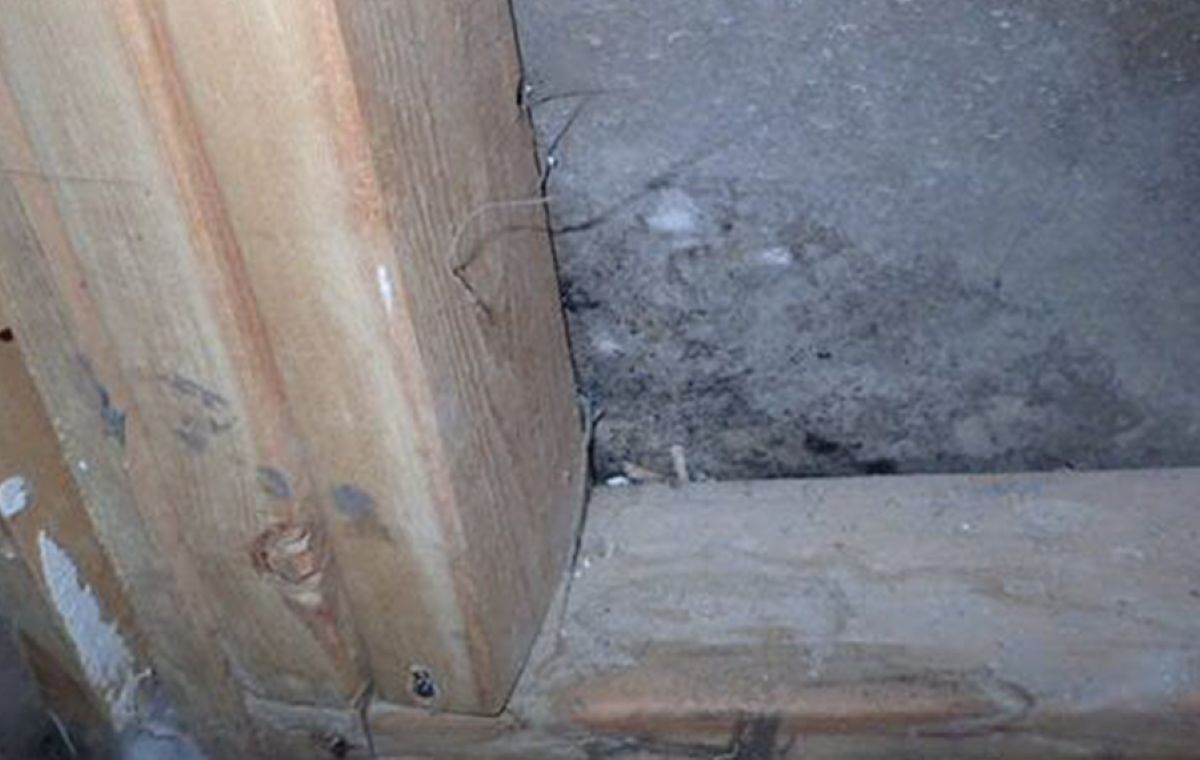
Read MoreChanges following the 2024 NAR settlement raised new questions for buyers and real estate professionals. Jamie shares his perspective on buyer representation, compensation, and the potential impact

Read MoreThe final walkthrough deserves as much attention as the earlier steps in your purchase. Use our pre-closing checklist to review repairs, test systems, and spot changes before taking ownership.

Read MoreSplit-faced block can allow water into a building when construction details and maintenance fall short. Learn what to look for and why moisture concerns may call for a specialized evaluation.
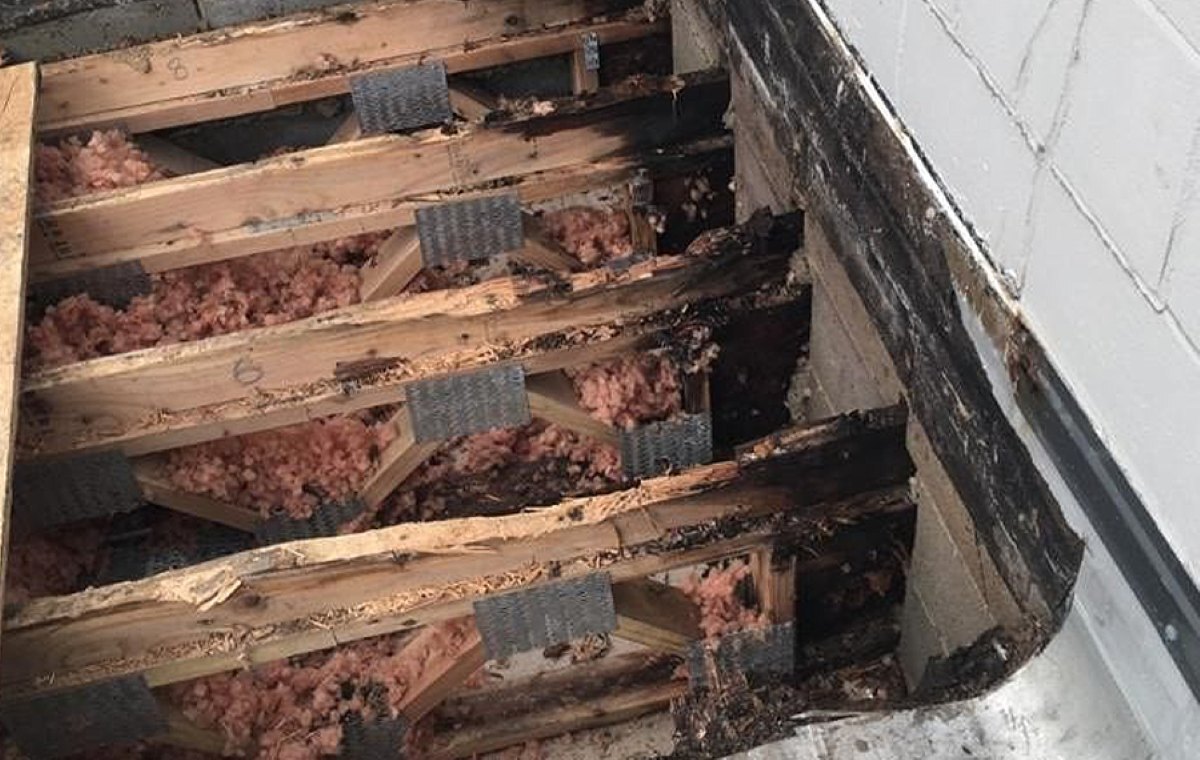
Read MoreIn addition to standard property inspections, we offer a range of specialized services to uncover potential issues, evaluate key systems, and provide greater peace of mind.

Get a clear, practical understanding of the property before you move forward. Schedule a Dunsing inspection with licensed inspectors, detailed reporting and practical guidance for your next steps.

In Business Since 1980
Experienced Licensed Inspectors
Skilled in Residential & Commercial
Detailed & Understandable Reports
Contact Us
28835 N. Herky Dr., #104, Lake Bluff, IL 60044
office@dunsing.com
(847) 367-0782