Email | Office@dunsing.com - Phone | (847) 367-0782
Plainfield buyers need different records for an older downtown home and a newer house. An inspection connects the property's accessible condition with questions about alterations, completion and site changes. Dunsing provides professional home inspections for buyers, sellers and owners.
Plainfield's downtown historic district along Lockport Street provides a local preservation context. Nearby Settlers' Park, near Lockport Street and Van Dyke Road south of Village Hall, is another recognizable community setting.
The Village's riverfront planning resources connect the community to the DuPage River corridor. For a buyer, proximity to downtown or the river raises address-specific research questions; it does not establish designation, flood status or the condition of a home.
District 202 approved high-school boundary changes on December 17, 2025, effective for 2026–27. Affected areas include reassignment from Plainfield North to East and Central. Use the current school locator and confirm the exact address and enrollment circumstances with the district. A Plainfield postal address alone does not establish district membership.
Confirm attendance and enrollment directly with the district before purchasing. School verification is separate from the physical home inspection.
District 202 approval announcementdistrict-linked current school locatorStart with the residential home inspection, then choose additional services based on the property's actual systems, access and your specific concerns. Confirm included components and specialist services when booking.
Residential home inspectionsRadon testingThermal imagingSewer scope inspectionsCommercial inspectionsPlainfield buyers need different records for an older downtown home and a newer house. An inspection connects the property's accessible condition with questions about alterations, completion and site changes.
The Village provides historic-district and landmark review information. Confirm designation before planning major exterior work. Separate the condition of materials from approval requirements that may affect replacement choices.
Village: local historic district, landmarks and reviewVillage building-inspection responsibilities include permit, location and final-grading survey review. Request the actual project's final inspections, applicable occupancy documentation and grading records. Municipal review and an independent condition inspection serve different purposes.
Village: building-inspection responsibilities, including final-grading surveysThe river corridor is part of Village planning. Check the parcel's official flood mapping and disclosures alongside visible grading, openings and moisture evidence. Distance from the river alone does not establish flood status.
FEMA: official Flood Map Service CenterFor a newer property, compare visible patios, added beds, retaining walls and downspout extensions with available grading records. Ask when the features were added. This is a question about the actual site's changes after construction.
The inspection follows the home's accessible construction and agreed scope. Local records help buyers frame questions about work, maintenance and changes at the actual property.
We review accessible construction and visible connections around additions and replacements. Buyers considering exterior changes should separately confirm designation and municipal review requirements for their particular parcel.
We inspect the home's included accessible systems and construction in their current condition. Completion records and builder repair history help buyers identify outstanding questions; municipal approval does not replace a condition assessment.
Visible runoff paths, low openings and downspout discharge deserve attention, particularly where later hardscape or landscaping changes the site. We report accessible observations and recommend follow-up where the cause of a concern remains unclear.
Disclosures, repair documentation and official flood information can help buyers frame questions. A dry-weather inspection cannot predict future storms or establish flood boundaries, so mapping and physical inspection should both inform the review.

For an older home: designation status, exterior-alteration approvals and renovation records. For a recent build: final inspection and occupancy documents where applicable, site/grading records and the builder's repair history. Both buyers should check parcel-level water history and current school boundaries. Keep the two checklists short enough to be useful during an inspection contingency.
Village: local historic district, landmarks and reviewVillage: building-inspection responsibilities, including final-grading surveysFEMA: official Flood Map Service CenterDunsing is based in Lake Bluff and has served Chicagoland since 1980. Our inspectors combine local property knowledge with ongoing training and detailed reporting to help buyers, sellers and homeowners understand what matters before they move forward.
No. Confirm the parcel against the Village's district and landmark resources.
Approval and condition assessment have different purposes; review the actual completion documents and agree on the inspection scope.
No. Use official address-level mapping and relevant property records.
Use the current locator and confirm with District 202, particularly after the high-school changes effective for 2026–27. Older listing information may not describe the current assignment.
Stay informed with practical tips, expert guidance, and helpful insights designed to protect your home and make homeownership easier. Explore our latest articles covering home inspections, maintenance, common concerns, and what homeowners and buyers should know.

An inspection report can feel overwhelming. Learn how to prioritize findings, compare repair proposals, verify contractor credentials, and choose the right next steps before committing to work on
Read MoreYour insurer may request a property inspection even after you have purchased a home. Learn what insurance inspections can cover, why they are requested, and how to prepare for the process.

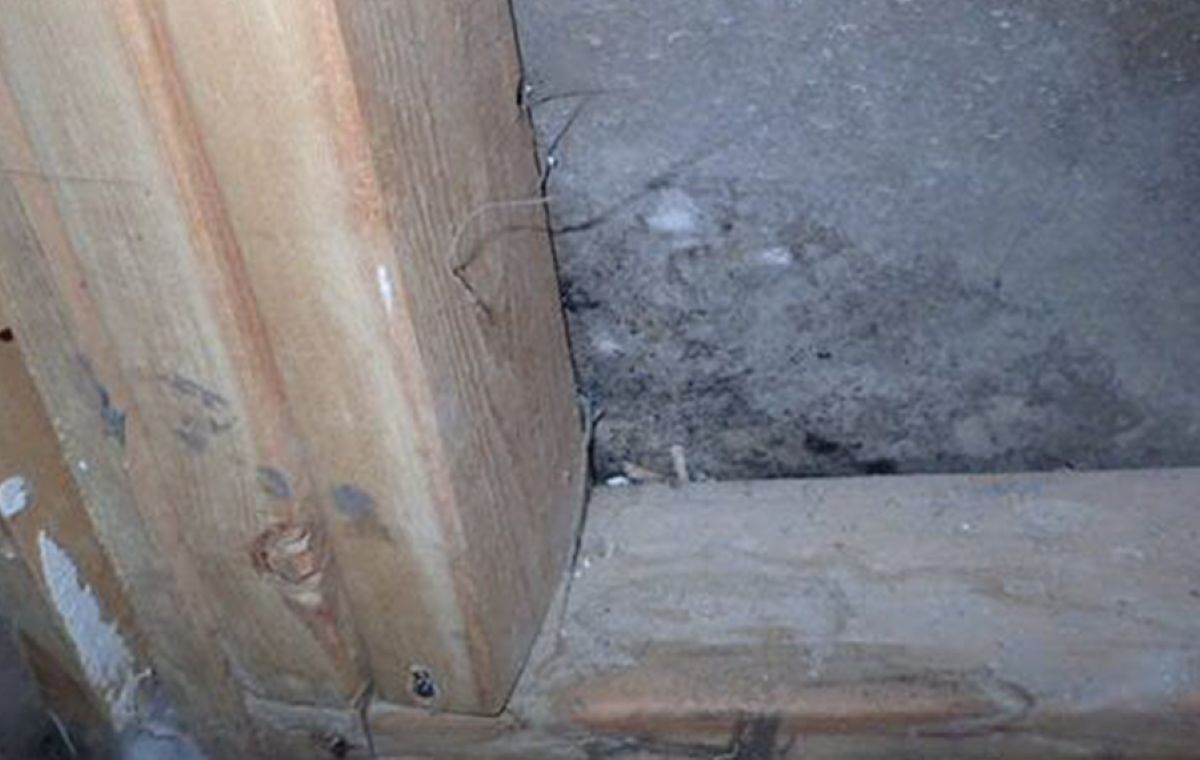
Read MoreMold concerns often start with moisture or visible warning signs. Explore how a home inspection, specialized mold evaluation, and third-party testing can help you understand what needs further
Read MoreChanges following the 2024 NAR settlement raised new questions for buyers and real estate professionals. Jamie shares his perspective on buyer representation, compensation, and the potential impact

Read MoreThe final walkthrough deserves as much attention as the earlier steps in your purchase. Use our pre-closing checklist to review repairs, test systems, and spot changes before taking ownership.

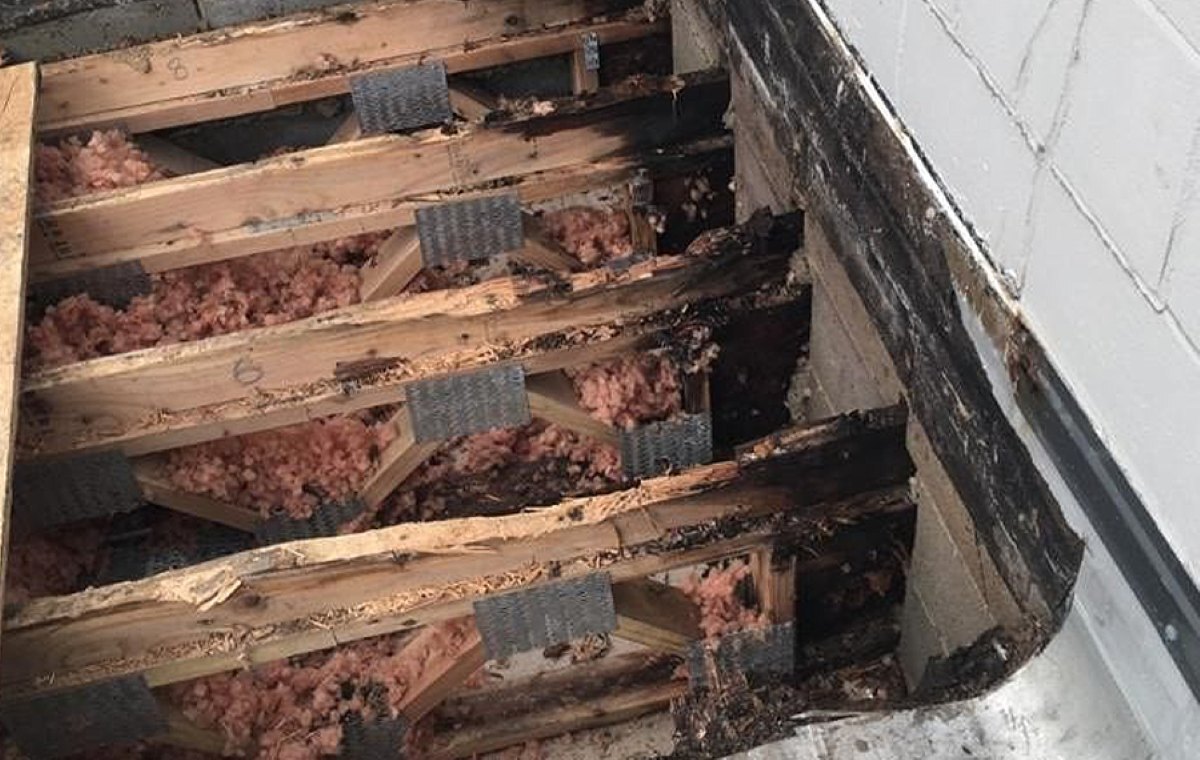
Read MoreSplit-faced block can allow water into a building when construction details and maintenance fall short. Learn what to look for and why moisture concerns may call for a specialized evaluation.
Read MoreIn addition to standard property inspections, we offer a range of specialized services to uncover potential issues, evaluate key systems, and provide greater peace of mind.

Get a clear, practical understanding of the property before you move forward. Schedule a Dunsing inspection with licensed inspectors, detailed reporting and practical guidance for your next steps.

In Business Since 1980
Experienced Licensed Inspectors
Skilled in Residential & Commercial
Detailed & Understandable Reports
Contact Us
28835 N. Herky Dr., #104, Lake Bluff, IL 60044
office@dunsing.com
(847) 367-0782